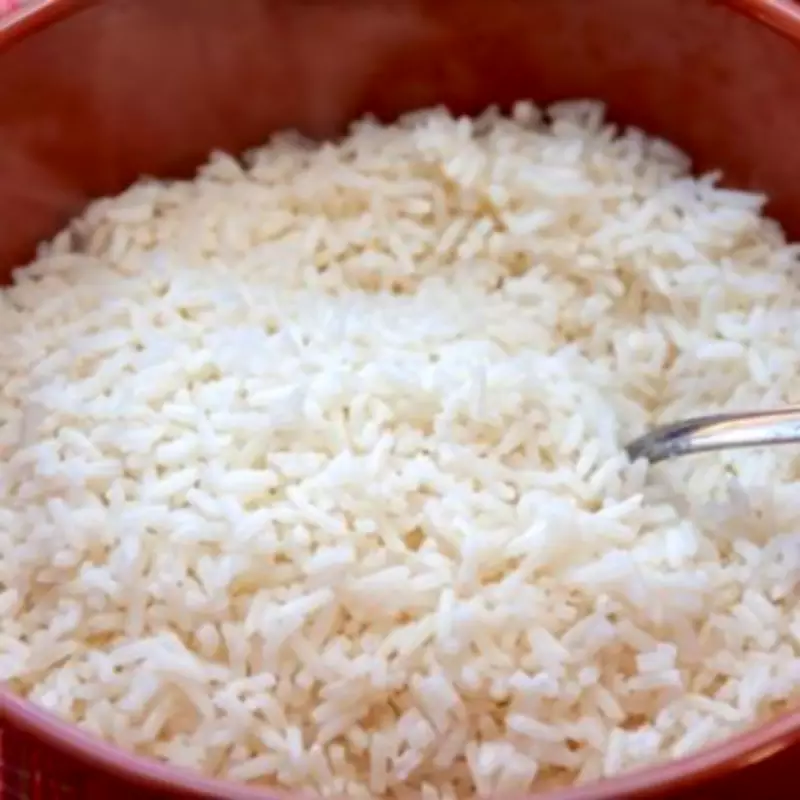
A man living with type-1 diabetes has shared three straightforward, expert-endorsed methods to help mitigate the blood sugar spikes commonly associated with consuming rice. These practical tips, which focus on preparation and choice of rice variety, are designed to be easily integrated into daily routines for those managing diabetes.
Understanding the Rice and Blood Sugar Connection
Recent research underscores the impact of white rice on blood glucose levels. Studies indicate that regular or large servings of white rice can significantly elevate blood sugar, with one analysis suggesting an 11% increase in diabetes risk per daily serving. For individuals who enjoy rice with dishes like stir-fries, experts often recommend a switch to brown rice as a foundational step.
Justin, the individual with type-1 diabetes who shared these insights, highlighted in a YouTube Shorts clip: "Did you know that the type of rice and the way you cook it can impact your glucose levels differently?" He consulted three friends from South Asia to compile these actionable strategies.

The Three Key Changes to Implement
1. Soak Your Rice Thoroughly
Deeksha, from India, advises: "Soaking rice for at least one or two hours prior to cooking it, and then straining it well—washing it at least five times—actually combats that big spike you get later on with the rice."
This process helps lower the glycemic index (GI) of the rice, which measures how quickly a food raises blood sugar levels. Soaking allows some surface starches to dissolve into the water, and discarding this water removes a portion of these rapidly digestible carbohydrates. Additionally, soaking can partially break down complex carbohydrates, making them easier to digest and potentially slowing glucose absorption into the bloodstream.
A study published in the International Journal of Food Sciences and Nutrition in 2011 found that soaking and cooking techniques affect starch digestibility and the glycemic index of rice, supporting the idea that soaking can make rice a better choice for blood sugar management.
2. Boil and Drain Your Rice
Anum, from Pakistan, explains: "If you have boiled rice, you will get very controlled levels after eating lots, because when you drain the water, all the starch has been drained."
Boiling rice in ample water and then draining it allows a significant amount of surface starches and soluble carbohydrates to leach into the cooking liquid. By discarding this water, you eliminate these quickly digestible components, which can help reduce the glycemic index of the rice. The Harvard T. H. Chan School of Public Health notes that cooking methods like boiling and draining can decrease the GI of rice, thereby minimising the risk of sharp blood sugar increases post-meal.
3. Opt for Brown Rice Over White
Hubban, also from Pakistan, clarifies: "Brown rice is just white rice but with an extra layer, and this layer is insoluble fibre. It takes the spike lower, and it doesn't give you an instant spike."
However, he cautions that for those with a "sensitive gut," insoluble fibre "might cause you some issues," so it's important to be "wary" of this. Despite this, he suggests it's worth trying to prevent sugar spikes.
Brown rice is generally considered a superior option for individuals with diabetes due to its higher fibre content, lower glycemic index, and enhanced nutritional profile. As a whole grain, it retains the bran and germ layers—rich in fibre, vitamins, minerals, and beneficial plant compounds—that are removed during white rice production, aiding in better blood sugar control and overall health.
Implementing These Changes for Easier Management
These three methods—soaking, boiling and draining, and choosing brown rice—offer simple yet effective ways to enjoy rice while managing blood sugar levels. By incorporating these tweaks, individuals with diabetes can potentially reduce spikes and maintain more stable glucose readings, contributing to an easier and healthier lifestyle.