Discovering slightly elevated cholesterol levels in her late twenties was a wake-up call for one journalist. While not dangerously high, the results prompted immediate action. After increasing physical activity, adjusting her diet, and using Benecol products, her levels returned to normal. Determined to maintain a healthy range long-term, she sought expert advice on the most effective cholesterol-lowering foods—and received a strikingly consistent answer.
The Unanimous Expert Verdict: Oats Top the List
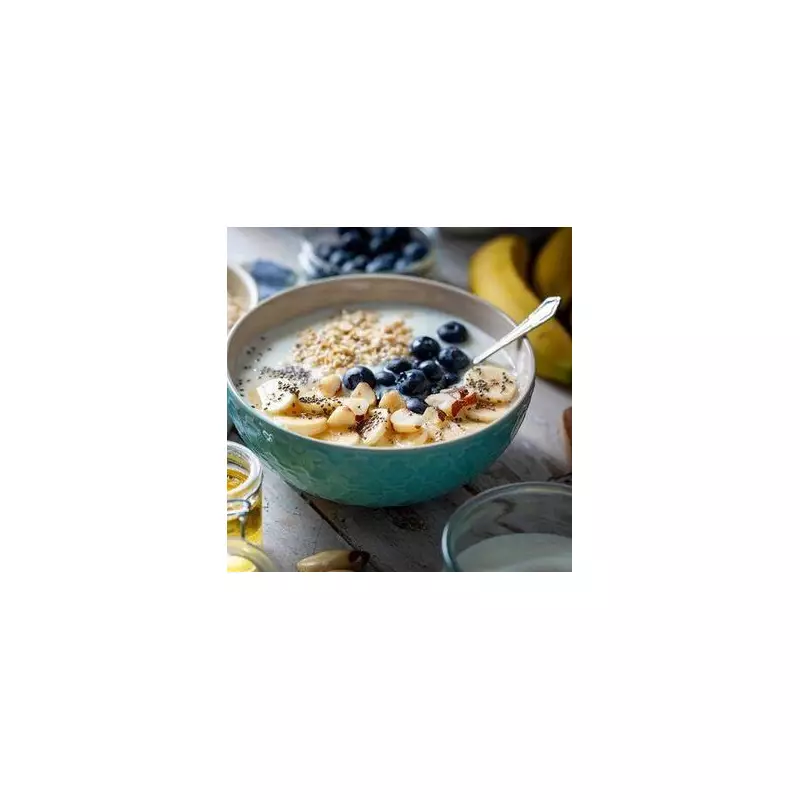
Consulting a range of general practitioners, nutritionists, and biomedical scientists revealed a clear consensus. While nuts, beans, lentils, and healthy fats were frequently praised, oats were the one food universally recommended by every expert. The reason lies in their high content of a soluble fibre called beta-glucan.
Dr Naveed Asif, a GP at The London General Practice, explains that cholesterol is a waxy substance essential for bodily functions, but excessive 'bad' low-density lipoprotein (LDL) cholesterol is a major concern. "Elevated cholesterol levels can greatly heighten the risk of heart disease, stroke, and other cardiovascular conditions," he warns. LDL can lead to atherosclerosis, where arteries harden and narrow, restricting blood flow.

Dr Saira Bano, an NHS and private GP with over a decade of experience, confirms that while many fibre-rich foods help, "oats and barley tend to top the list." She notes that consuming about 3 grams of beta-glucan daily from porridge or oat bran is a realistic and effective target for lowering LDL.
Building a Cholesterol-Lowering Diet Plan
The experts provided a comprehensive blueprint for dietary changes aimed at improving lipid profiles. The advice extends far beyond a daily bowl of porridge.
Key dietary pillars include:
- Soluble Fibre: Regularly consume beans, lentils, chickpeas, and fruits like apples, berries, and citrus. These help bind cholesterol in the gut.
- Healthy Fats: Swap saturated fats (butter, ghee) for unsaturated ones. Use olive or rapeseed oil for cooking, eat a small handful (30g) of unsalted nuts daily, and include avocados.
- Plant Sterols: Foods like soya milk, tofu, and edamame, or specifically fortified products like Benecol spreads (1.5-2g per day), can reduce LDL by 7-10%.
- Oily Fish: Aim for two portions per week of salmon, mackerel, or trout for beneficial omega-3 fatty acids.
Dr Adam Staten of One Day Tests advocates for the Mediterranean Diet, which naturally incorporates these elements. He also highlights a study finding that people eating nuts five times weekly saw a 20% lower risk of ischaemic heart disease.
Lifestyle and Monitoring: The Full Picture
Doctors stress that diet is just one component of cholesterol management. Regular physical activity—at least 150 minutes of moderate exercise per week—helps raise 'good' HDL cholesterol and lower LDL. Maintaining a healthy weight, quitting smoking, and limiting alcohol to below 14 units weekly are also crucial.
Monitoring is key. Dr Asif advises adults to have a fasting cholesterol test every four to six years from age 20, with more frequent checks for those with risk factors like family history or diabetes. Dr Tina Ghela, a Medichecks clinician, recommends discussing high results with a GP, who may suggest lifestyle interventions first, potentially followed by medication like statins if needed.
The collective message from healthcare professionals is clear: a proactive combination of dietary change, consistent exercise, and regular check-ups offers a powerful defence against high cholesterol and its associated risks. Starting with a simple bowl of oats could be the first step on that journey.