Discovering slightly elevated cholesterol levels in her late twenties was a wake-up call for one journalist. While not disastrous, the news prompted a determined effort to improve her health through diet and exercise. After incorporating daily Benecol yoghurt drinks, cod liver oil, and more physical activity, her levels returned to normal. This experience led her to investigate the most effective dietary strategies for maintaining healthy cholesterol, consulting a range of medical professionals for their expert advice.
The Unanimous Verdict from Medical Experts
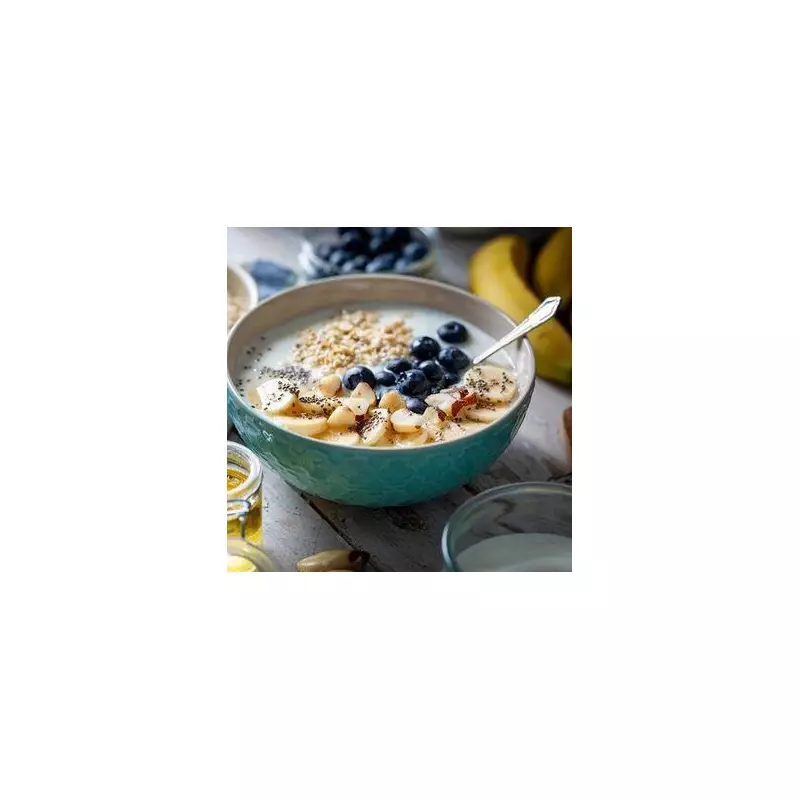
When asked to name the best foods for lowering cholesterol, every doctor and nutritionist consulted pointed to one specific staple: oats. While other foods like nuts, beans, lentils, and healthy fats received high praise, oats were the only item universally recommended by all experts.
The power of oats lies in their high content of a soluble fibre called beta-glucan. This fibre is crucial for reducing low-density lipoprotein (LDL), the so-called 'bad' cholesterol that can build up in arteries. In contrast, high-density lipoprotein (HDL) is 'good' cholesterol, helping to remove excess cholesterol from the body.

Dr Naveed Asif, a GP at The London General Practice, explained that while cholesterol is essential for bodily functions, excessive LDL can lead to atherosclerosis – the hardening and narrowing of arteries. "Elevated cholesterol levels can greatly heighten the risk of heart disease, stroke, and other cardiovascular conditions," he warned.
Building a Cholesterol-Lowering Diet Plan
Dr Saira Bano, an NHS and private GP with over a decade of experience, noted that while soluble fibre and smart fat swaps are widely agreed upon, "oats and barley tend to top the list." She recommends aiming for about 3g of beta-glucan per day, achievable through a daily bowl of porridge or oat bran.
Beyond oats, experts recommend a multi-faceted approach to diet:
- Beans, lentils, and chickpeas: Consume these most days, alongside fruits and vegetables rich in soluble fibre like apples, berries, citrus, aubergine, and okra.
- Nuts: A small daily handful (roughly 30g) of almonds, walnuts, or pistachios.
- Soya foods: Include tofu, edamame, or soya milk a few times a week.
- Healthy fats: Swap butter or ghee for olive or rapeseed oil in cooking.
- Oily fish: Eat salmon, mackerel, or trout a couple of times weekly for omega-3s.
Dr Adam Staten of One Day Tests endorsed the traditional Mediterranean Diet approach, emphasising fruits, vegetables, limited red meat, and olive oil. He highlighted a study showing people who ate nuts five or more times a week reduced their risk of ischaemic heart disease by 20% compared to those who rarely ate nuts.
Lifestyle Changes and Regular Monitoring
Diet is just one component. Dr Richard Allison, a nutritionist at Herbalife, advised a minimum of 150 minutes of moderate exercise each week to help increase HDL and decrease LDL. Maintaining a healthy weight, limiting alcohol, and stopping smoking are also critical.
For those with elevated levels, Dr Tina Ghela, a Medichecks digital clinician, recommends discussing results with a GP, especially if other risk factors like high blood pressure or diabetes are present. Lifestyle changes are often tried first, with medication like statins considered if needed.
Dr Asif advises adults to have cholesterol levels tested at least once every four to six years from age 20, with more frequent checks for those with risk factors or a previous diagnosis of high cholesterol.
In summary, a combination of dietary focus on soluble fibre – led by oats – regular physical activity, and proactive health monitoring forms the most effective strategy for managing cholesterol and protecting long-term heart health.