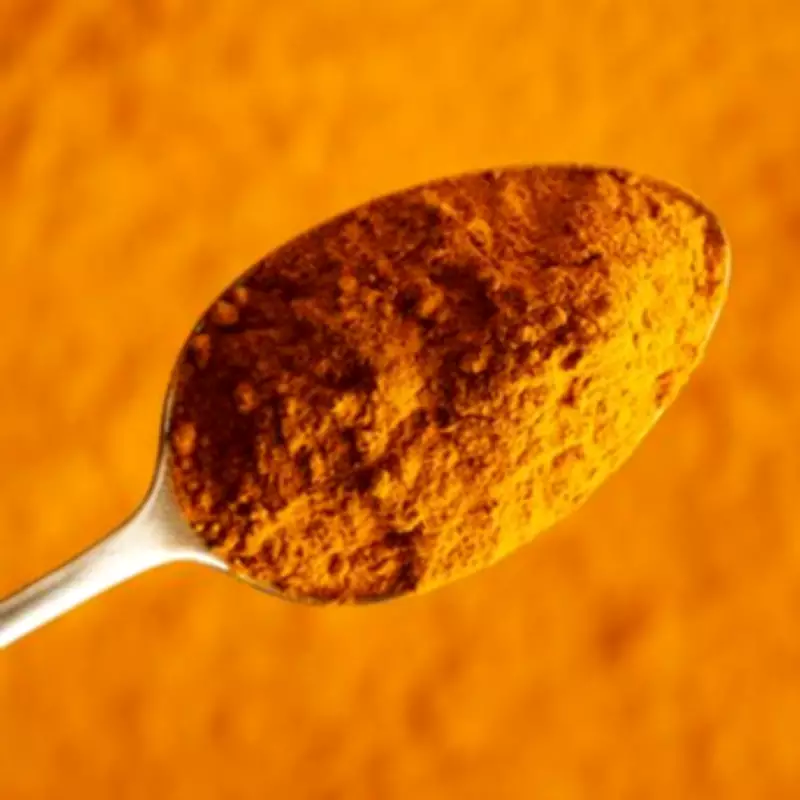
Health experts are increasingly focusing attention on a common kitchen spice, turmeric, for its remarkable potential in helping to manage blood sugar levels and combat type 2 diabetes. The spice contains an active compound called curcumin, which researchers describe as a "powerhouse" ingredient due to its potent anti-inflammatory and antioxidant properties that may offer therapeutic benefits similar to established diabetes medications.
Morning Live Discussion Highlights Turmeric's Potential
The spice was prominently featured during a recent episode of the BBC talk show Morning Live, where resident doctor and health expert Dr Oscar Duke discussed this "underused" ingredient with hosts Gethin Jones and Louise Minchin. The segment coincided with bestselling cookbook author Maunika Gowardhan demonstrating a turmeric scrambled egg and beans recipe, showcasing how the spice can be easily incorporated into everyday meals.
Curcumin's Mechanism of Action
Research indicates that curcumin, the active component found in turmeric, may help control type 2 diabetes by effectively lowering blood sugar and HbA1c levels. Studies suggest its anti-inflammatory properties work in a manner comparable to Metformin by enhancing insulin sensitivity and reducing markers associated with metabolic syndrome. While experts emphasize it should not replace prescribed medication, curcumin is being extensively researched as a valuable supplementary treatment option.

Dr Oscar explained to viewers: "Studies have shown good properties in terms of anti-inflammatory properties. I think overall it goes into having a really healthy, balanced diet. There are some suggestions that if you have it alongside black pepper, you increase that absorption as well." He added: "Overall, it's delicious and very warming - especially around the time of coughs and colds. I know Dr Punam is a big fan of having a bit in her drinks as well. There are lots of potential benefits."
Similarities to Metformin Explained
Another health expert, Dr Eric Berg DC, who specialises in ketogenic diets, low-carb strategies and intermittent fasting, has also highlighted curcumin's anti-inflammatory properties in his educational videos. "Curcumin has anti-diabetic properties and effects similar to Metformin," he stated, reinforcing the growing body of evidence supporting this connection.
Scientific investigations reveal that curcumin may possess effects remarkably similar to Metformin, a medication commonly prescribed to manage or prevent Type 2 diabetes. Curcumin appears to decrease the liver's glucose production while simultaneously enhancing the body's insulin sensitivity, mirroring the primary mechanisms through which Metformin operates. This dual action allows cells to respond more effectively to insulin, helping the body utilise glucose more efficiently.
Addressing Root Causes of Diabetes
Since Type 2 diabetes is frequently linked to chronic inflammation and oxidative stress, curcumin's potent anti-inflammatory benefits may help address these underlying issues. Research indicates that curcumin may not only assist in managing existing diabetes by improving metabolic profiles but could potentially delay or prevent the onset of Type 2 diabetes altogether. Some studies have shown that combining curcumin with Metformin offers superior efficacy in improving glucose metabolism and lipid profiles compared to either treatment alone.
Bioavailability Considerations
One significant challenge with curcumin supplementation is its low bioavailability when taken alone. To address this absorption issue, many supplements combine curcumin with piperine (found in black pepper) or utilise special formulations designed to enhance the body's ability to absorb and utilise the compound effectively.
Shared Therapeutic Pathways
Curcumin and metformin demonstrate similar health benefits, particularly when addressing metabolic problems including diabetes, fatty liver disease, and Polycystic ovary syndrome (PCOS). Both compounds typically activate the AMP-activated protein kinase (AMPK) pathway, which plays a crucial role in improving how the body responds to insulin. However, researchers note that curcumin generally demonstrates superior effectiveness at lowering oxidative stress, while metformin works more directly to reduce blood sugar levels.

Additional Health Benefits Beyond Diabetes
Beyond blood sugar management, curcumin has been extensively studied for its ability to stabilise cholesterol levels. Some research suggests it may offer benefits comparable to statins, helping to reduce LDL ("bad") cholesterol and triglycerides. The compound has also been explored for its potential to support cardiovascular health and may help prevent and treat certain types of cancer through various mechanisms.
Initial studies indicate that curcumin may provide protective benefits for brain health and could assist with age-related issues including memory loss, anxiety, and depression by boosting levels of brain-derived neurotrophic factor (BDNF). The compound might also help control inflammation and soreness resulting from exercise, leading to improved recovery times for active individuals. Furthermore, curcumin has shown promise in managing various aspects of metabolic syndrome, including enhancing insulin sensitivity and lowering inflammatory markers.
Important Health Considerations
While initial animal and human studies appear promising for blood sugar management, researchers emphasize that more extensive human trials are necessary to fully understand curcumin's effects on diabetes. Crucially, individuals currently taking prescribed medication for blood sugar levels must continue following their doctor's instructions and should not alter their treatment regimen without professional guidance.
If considering high-dose curcumin supplements, it is essential to consult with a healthcare professional first. This precaution is particularly important for those already taking diabetes medication, as combining treatments could increase the risk of hypoglycemia (low blood sugar). Additionally, curcumin supplements can interact with certain medications, including blood thinners, making medical consultation imperative before starting any new supplement regimen.