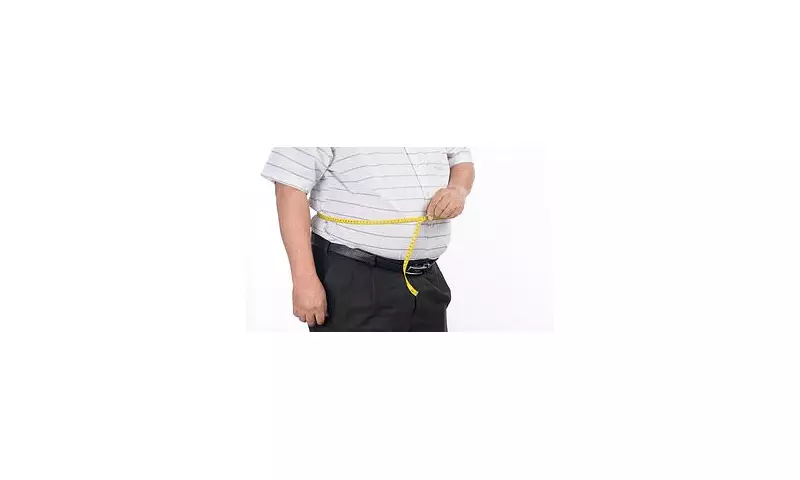
Forget the bathroom scales. A simple tape measure could be the most powerful tool in your health arsenal, according to a major new study. Researchers have concluded that measuring your waist-to-height ratio is a significantly better indicator of overall health than the long-used Body Mass Index (BMI).
The Problem with BMI
The study, published in the International Journal of Obesity and led by academics from the universities of Sheffield and Nottingham, highlights the critical flaws in relying on BMI. This common metric, calculated by dividing weight in kilograms by height in metres squared, fails to distinguish between fat and muscle.
"Quite often we'll hear that athletes have a BMI over 30 and would be classed as living with obesity, but we know that they're not," explained Dr Laura Gray from the University of Sheffield. "They don't have excess weight."

The opposite problem occurs in older adults. "Older people tend to lose muscle when they age... their body fat percentage is actually higher, but their weight is still dropping, so BMI starts coming down, but actually they're getting less healthy," Dr Gray added.
Why Waist-to-Height Ratio Works
The alternative is strikingly simple: divide your waist circumference by your height. If your waist measurement is less than half your height, it's considered a good indicator of a healthy weight, especially for older individuals.
This method is superior because it specifically targets visceral fat – the dangerous fat stored around vital organs like the heart and liver. "Waist-to-height ratio, because it measures round your waist, is giving us a more accurate measurement of visceral fat," said Dr Gray. This type of fat has a more detrimental effect on bodily functions and significantly increases the risk of serious conditions, including heart disease and stroke.
A Cheaper, Simpler Solution
Beyond its accuracy, the waist-to-height ratio boasts practical advantages. "A tape measure is actually cheaper than a set of weighing scales," Dr Gray noted. "It's probably easier because it's just a ratio, rather than squaring something like we do with BMI."
The research, which analysed data from the Health Survey for England spanning 2005 to 2021, also found that a person's environment has a 'significant influence' on obesity levels. The findings come amid concerning national statistics: in 2023-24, an estimated 64.5% of adults in England were overweight or obese, with 26.5% classified as living with obesity.
This new evidence suggests public health messaging may need a shift in focus, promoting a more accessible and clinically relevant measure to help millions better understand their true health risks.