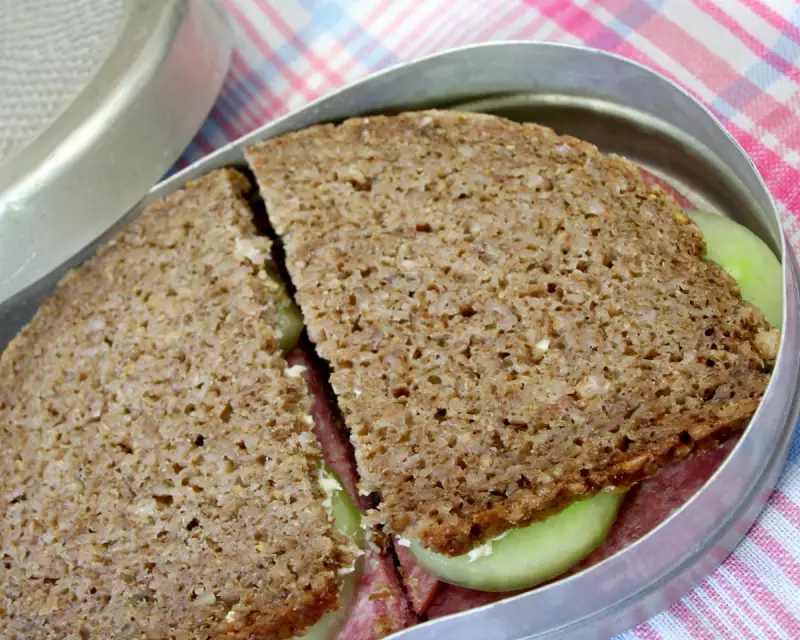
For children growing up in 1990s Britain, few experiences provoked more anxiety than opening your school lunchbox to reveal yesterday's homemade veggie curry or deconstructed sandwich while classmates enjoyed cheesy Wotsits and plastic-ham sandwiches.
The trauma of being different
That palpitating trepidation of knowing your lunch would be deemed 'weird' became a defining childhood memory for many raised by health-conscious parents. While other children traded Club biscuits and Micro Chips, the author endured crumbling homemade falafel and thick doorstop bread with cucumber filling, complete with crumbs floating freely in the bag.
These meals came courtesy of a mother who doggedly resisted the ultra-processed food revolution sweeping 90s Britain. She was an early adopter of quinoa who read food packet ingredients religiously and knew about unrefined carbohydrates long before they became mainstream conversation topics.

Vindication at last
Now in 2025, the weird-lunchbox kids and their parents have been thoroughly vindicated. Recent research has confirmed that diets high in ultra-processed foods cause harm to every major organ in the human body and link to numerous health conditions.
What was once mocked as eccentric parenting has become validated by science. The author recalls hiding Super Noodles packets with the same secrecy friends reserved for cigarette packs, and arguments over Pom-Bear crisps that represented the weekly battle between processed convenience and homemade nutrition.
Passing on the legacy
Now a mother herself, the author continues her mother's tradition of cooking from scratch and reading ingredient lists in supermarket aisles. The family rarely eats ready meals, and Sunday roasts come with homemade gravy made from meat juices, just as her grandmother taught her mother.
This intergenerational knowledge about food preparation has proven invaluable for feeding her own family healthily. However, she acknowledges the privilege involved - her mother had to visit health food shops and seek out cheapest cuts of meat while feeding the family on a shoestring budget.
The discussion around UPFs often ignores crucial class and economic factors, placing moral burden on individuals rather than the corporations profiting from these products. The author's mother recognised decades ago that the problem required systemic solutions rather than individual shaming.
While gratitude now outweighs childhood resentment, the author admits she still occasionally indulges in instant noodles despite knowing the health risks. Some childhood cravings, it seems, never completely disappear, even when you know your mother was right all along.