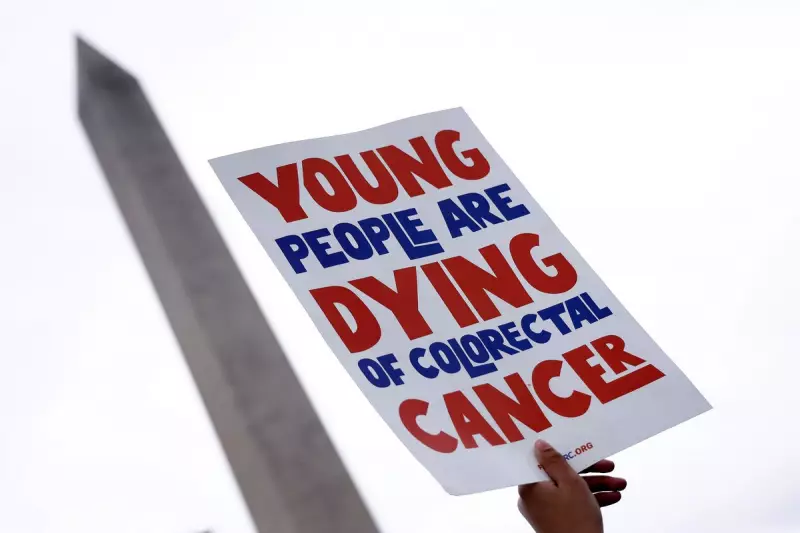
Colorectal Cancer Emerges as Top Cancer Killer for Younger Adults
Colorectal cancer has now become the leading cause of cancer-related deaths among adults under the age of 50 in the United States. This represents a dramatic shift from its previous ranking as the fifth most deadly cancer for this age group in the early 1990s. The disease has reached this alarming milestone decades earlier than many health experts had anticipated, signalling a concerning public health trend.
A Troubling Rise in Mortality Rates
While overall cancer death rates for adults under 50 decreased by an impressive 44 per cent between 1990 and 2023, colorectal cancer mortality has been moving in the opposite direction. From 2005 to 2023, deaths from colorectal cancer in this age group increased by 1.1 per cent annually. This persistent rise contrasts sharply with the broader decline in cancer fatalities among younger Americans, highlighting the specific and growing threat posed by colorectal malignancies.
The Challenge of Late Diagnosis
Researchers have identified a critical factor contributing to the high mortality rate: the majority of colorectal cancer patients under 50 are diagnosed with advanced disease. This late-stage detection significantly reduces treatment options and survival prospects. The advanced nature of these cancers at diagnosis underscores the urgent need for improved early detection strategies and greater awareness among both healthcare providers and the public.

Essential Steps for Prevention and Early Detection
Health experts are emphasising several key measures to address this growing crisis:
- Public education on red-flag symptoms: Increasing awareness of warning signs such as blood in stool, persistent abdominal pain, unexplained weight loss, and changes in bowel habits.
- Earlier screening initiation: Recommending that colorectal cancer screening should begin at age 45 for average-risk individuals, rather than waiting until later decades.
- Dietary considerations: While specific foods to avoid require individual medical advice, maintaining a balanced diet rich in fibre and low in processed meats is generally recommended for colorectal health.
The shift in colorectal cancer's impact on younger adults represents a significant public health challenge that demands immediate attention through enhanced screening protocols, targeted education campaigns, and continued research into prevention and treatment strategies.