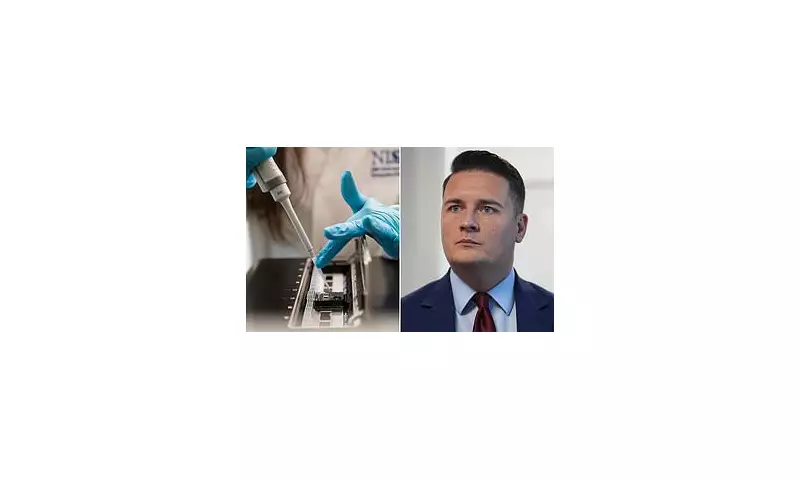
The National Health Service has unveiled a groundbreaking genetic tool that will transform cancer prevention and treatment across the United Kingdom. This world-leading initiative establishes a comprehensive database containing 120 genes scientifically proven to increase cancer risk, marking a significant advancement in personalised healthcare.
A New Era in Preventative Medicine
Patients diagnosed with cancer and their biological relatives will now have the opportunity to compare their genetic profiles against this extensive database. Those identified as carriers of high-risk genetic variants will receive tailored treatment plans specifically designed to improve their recovery prospects and long-term outcomes.
Family members found to possess these genetic markers will be offered regular, frequent health check-ups and monitoring. Medical experts have enthusiastically welcomed this development, describing it as the dawn of a transformative period in personalised medicine and proactive screening, with initial implementation focusing on prostate cancer cases.

Political Support and Modernisation Efforts
Health Secretary Wes Streeting has championed this scheme as a crucial component of broader efforts to modernise the NHS for contemporary healthcare demands. He emphasised that while approximately half of all people will develop cancer during their lifetime, genetic factors significantly influence individual risk profiles beyond random chance.
Mr Streeting explained the initiative's rationale, stating that although inherited genetic predispositions cannot be altered, the healthcare system can revolutionise how it utilises this information. He described the genetic register as both "life-changing and life-saving," enabling the NHS to develop individualised care pathways, accelerate screening processes, and provide customised information to facilitate earlier cancer detection.
Practical Implementation and Genetic Testing
Under this innovative programme, relatives of cancer patients will be able to determine whether they carry specific genetic variants, including the so-called "Jolie gene" - named after actress Angelina Jolie who underwent preventative surgery after discovering her heightened genetic risk for breast, ovarian, and prostate cancers.
This genetic register forms a central component of the National Cancer Plan, which aims to improve early diagnosis rates and enhance survival outcomes. The United Kingdom currently trails behind other nations in international cancer survival comparisons, making this initiative particularly timely and significant.
Clinical Applications and Patient Benefits
The database will expedite screening and testing for thousands of individuals while facilitating access to personalised therapies and clinical trials. When cancer is diagnosed, patients will receive genetic testing to identify specific gene faults that might make their condition more responsive to particular treatments.
Professor Peter Johnson, National Clinical Director for Cancer at NHS England, highlighted that this development represents a new era in cancer prevention. Pioneering research and advanced testing are revealing increasingly detailed information about how genetic factors influence cancer development probabilities.
Professor Johnson noted that discovering an inherited cancer risk can be profoundly impactful, but it also empowers individuals to access tailored risk-reduction advice and essential monitoring. This approach increases the likelihood of early cancer detection and may even prevent the disease entirely in some cases.
Building on Previous Successes
The NHS National Inherited Cancer Predisposition Register follows the successful implementation of the Lynch syndrome register, which has ensured thousands of people diagnosed with this genetic condition receive routine preventative screening. The new database will similarly expedite access to earlier screening, testing, and personalised treatment for numerous patients.
Claire Rowney, chief executive of Breast Cancer Now, expressed strong support for the system, noting its potential to "transform lives." She welcomed the government's commitment to creating a comprehensive national database for people at increased cancer risk, facilitating better access to earlier and more frequent screening alongside risk-reducing treatments.

The Prostate Cancer Context
Recent statistics reveal prostate cancer has become the United Kingdom's most common cancer diagnosis. In 2022, the latest year with available figures, 64,425 men received prostate cancer diagnoses compared to 61,640 breast cancer cases. This represents a substantial 24 percent increase from the previous year's 51,823 prostate cancer diagnoses.
Prostate Cancer UK attributes a 42 percent rise in diagnoses over the past decade to increased disease awareness campaigns by charities, the NHS, and high-profile public figures. The charity advocates for broader NHS adoption of prostate-specific antigen (PSA) testing and is conducting a major clinical trial expected to report within two years regarding combined PSA and MRI screening approaches.
This genetic database initiative represents a significant step forward in the ongoing campaign for earlier cancer diagnosis and comprehensive screening programmes across the United Kingdom, potentially saving thousands of lives through personalised, preventative healthcare approaches.