Pandemic Healthcare Disruptions Reduced Cancer Survival Rates, Major Study Finds
A comprehensive new study has revealed that cancer patients diagnosed during the early years of the COVID-19 pandemic experienced significantly worse short-term survival outcomes compared to those diagnosed in the years immediately preceding the global health crisis.
The federally funded research, published in the prestigious JAMA Oncology medical journal, represents the first major investigation to specifically assess how pandemic-related disruptions to healthcare systems affected the immediate survival prospects of cancer patients across the United States.
Widespread Impact Across Cancer Types
Researchers discovered that individuals diagnosed with cancer during 2020 and 2021 demonstrated poorer short-term survival rates than comparable patients diagnosed between 2015 and 2019. This concerning pattern held true across a broad spectrum of cancer types and was observed regardless of whether patients received their diagnosis at an early or advanced disease stage.

"Disruptions to the health care system were probably a key contributor," explained lead author Todd Burus from the University of Kentucky, who specialises in medical data analysis. "While we cannot definitively prove causation, the timing and nature of these findings strongly suggest healthcare system challenges played a significant role."
Filtering Out Direct COVID-19 Mortality
The research team employed sophisticated statistical methods to filter out deaths primarily attributed to coronavirus infection itself, allowing them to isolate the potential impact of other pandemic-related factors on cancer outcomes. This methodological approach provides greater confidence that the survival differences observed stemmed from healthcare disruptions rather than direct COVID-19 mortality among vulnerable cancer patients.
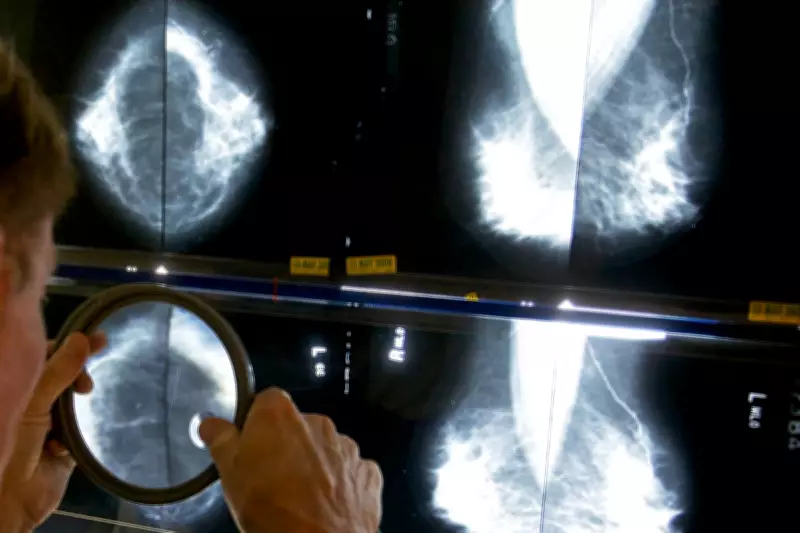
During the pandemic's most intense periods, particularly throughout 2020, COVID-19 overwhelmed medical facilities and forced widespread postponements of critical cancer screening procedures including colonoscopies, mammograms and lung scans. These delays likely contributed to both later diagnoses and treatment interruptions for many patients.
Paradoxical National Statistics
The study findings present something of a paradox when considered alongside national cancer mortality statistics, which continued their long-term decline throughout the pandemic years. Burus noted that established cancer prevention, diagnosis and treatment measures that had been driving mortality rates downward for years did not suddenly disappear during the health crisis.
"We didn't forget how to do those things," Burus observed. "But disruptions could have changed access, could have changed how quickly people were getting treated. The systems and knowledge remained, but timely implementation became significantly more challenging."
Specific Cancers Most Affected
The research examined national cancer registry data focusing specifically on patients receiving their first diagnosis of malignant cancer during the pandemic years. The analysis encompassed more than one million individuals diagnosed in 2020 and 2021, with approximately 144,000 dying within one year of diagnosis according to the study data.
Researchers calculated that one-year survival rates declined for both early- and late-stage diagnoses across all cancer sites combined. Most alarmingly, the study identified particularly substantial survival differences in three specific cancer types:
- Colorectal cancer
- Prostate cancer
- Pancreatic cancer
Expert Reactions and Future Implications
Recinda Sherman of the North American Association of Central Cancer Registries, who was not involved in the current study but conducted earlier research on pandemic cancer outcomes, praised the new investigation. "As this study is the first to document pandemic-related, cause-specific survival, I think it is important," Sherman commented. "The more we understand about the impact of COVID-19, the better we will be able to prepare for the next major health system disruption."

Hyuna Sung, senior principal scientist and cancer epidemiologist at the American Cancer Society, highlighted the importance of determining whether these survival impacts will prove temporary or lasting. "Transient declines in survival that quickly recover may have little impact on long-term mortality trends," Sung noted, emphasising that further research will be necessary to assess the pandemic's enduring effects on cancer outcomes.
The study's authors hope their findings will inform future healthcare planning and emergency preparedness, ensuring that cancer care remains accessible and effective during future public health crises.