Three people have died on a cruise ship MV Hondius, with a British national fighting for his life, after a case of hantavirus was confirmed on board. Hantavirus infections are typically linked to environmental exposure, such as contact with urine or faeces from infected rodents. It is rare for cases to spread from person-to-person. The deadly disease could easily be confused with simple flu; here's what you need to know.
How is Hantavirus Transmitted?
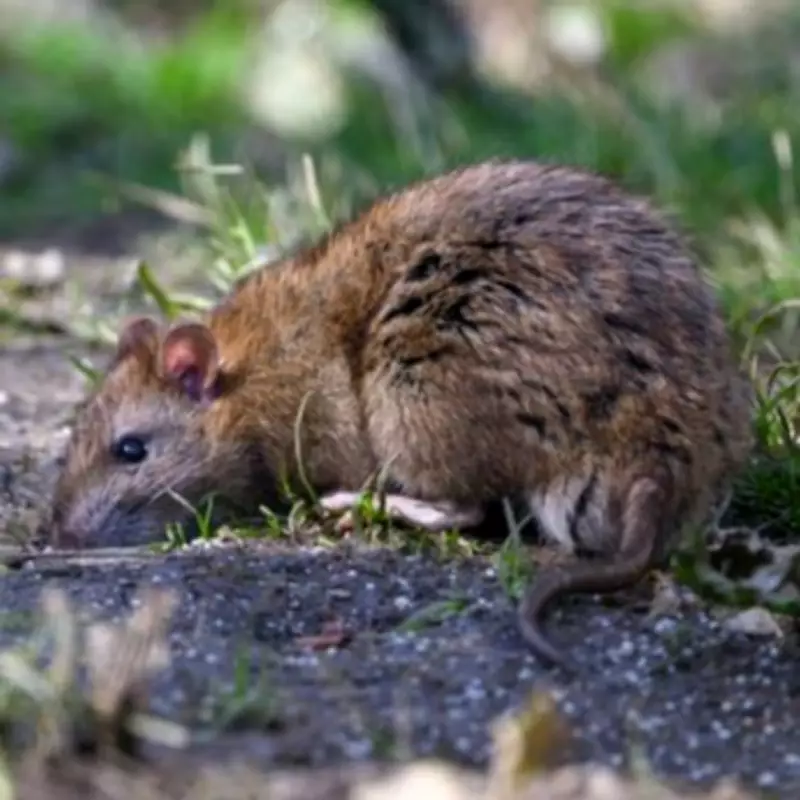
People contract the virus by inhaling infected rodent urine, droppings or saliva. This could occur through handling the animal directly, or by touching something contaminated with its bodily fluids.
Symptoms of Hantavirus
Symptoms can easily be confused with a flu. They include a fever exceeding 101F (38.3C), chills, muscle aches, severe headaches, nausea, stomach complaints, and a notably dry cough. Without warning, breathing difficulties can rapidly develop. There are no tests to diagnose Hantavirus Pulmonary Syndrome (HPS). A fever and fatigue following exposure to a rodent is a strong indicator of infection.

Treatment and Recovery
There are no specific treatments for HPS, however early diagnosis and care within an ICU setting can significantly improve a patient's chances of recovery. In some cases antiviral medications such as ribavirin are employed to tackle other strains of hantavirus and related infections. After suffering symptoms recovery typically takes some time, with patients commonly reporting ongoing weakness, fatigue, and a reduced tolerance for physical activity.
The Outbreak on MV Hondius
The World Health Organisation (WHO) confirmed six suspected cases on the MV Hondius, travelling from Ushuaia in Argentina to Cape Verde in Africa. A Dutch 70-year-old and his 69-year-old wife died from the disease. A 69-year-old British man was taken to Johannesburg, where he is being treated in intensive care. Passengers onboard the cruise are stuck as they 'await approval' to disembark.