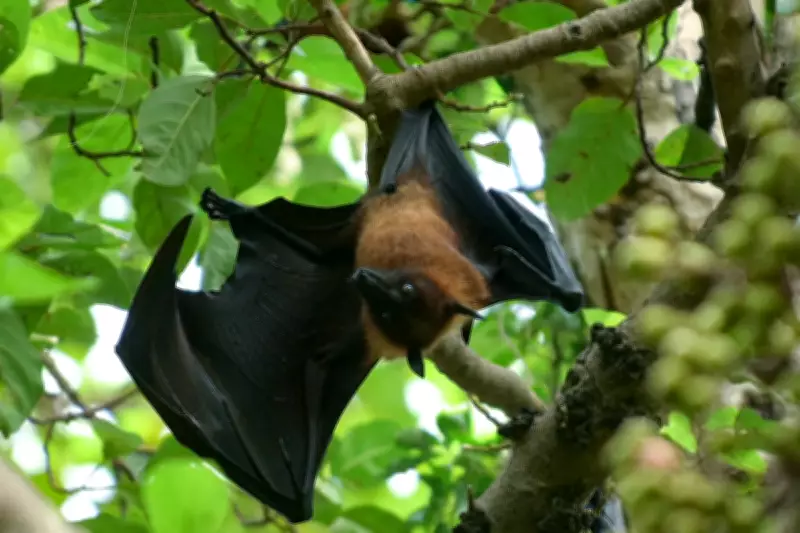
Scientists have issued a stark warning about a new and potentially deadly bat-borne virus emerging in Bangladesh, with evidence suggesting it may be becoming more virulent through genetic changes.
Mystery Illness Identified
Between December 2022 and March 2023, five patients were hospitalised in Bangladesh with symptoms including fever, vomiting, headache, fatigue, excessive salivation, and neurological complications. All had consumed raw date-palm sap, a sweet liquid also favoured by bats that are known carriers of Nipah virus in the region.
Despite initial suspicions of a Nipah outbreak, all five patients tested negative for that virus. While they were discharged within weeks, three experienced persistent fatigue, disorientation, and difficulties with breathing and walking. Tragically, one patient died in 2024 following deteriorating health and unexplained neurological ailments.

Pteropine Orthoreovirus Discovery
New research published in the journal Emerging Infectious Diseases has revealed the patients were actually infected with Pteropine orthoreovirus (PRV), another pathogen carried by bats. This finding adds PRV to the growing list of zoonotic viruses detected in humans within Bangladesh.
"Our findings show that the risk of disease associated with raw date palm sap consumption extends beyond Nipah virus," explained study author Nischay Mishra.
Increased Virulence Concerns
What particularly concerns researchers is the severity of these cases compared to previous PRV infections documented elsewhere in Asia. "All 5 patients had severe respiratory and neurologic symptoms, but PRV infections in Malaysia, Indonesia, and Vietnam were associated with milder respiratory disease," the scientists noted in their study.
Researchers suspect the virus may have undergone reassortment of its genetic sequence, potentially altering its transmissibility and virulence. This genetic evolution could explain why these Bangladeshi cases presented with more severe symptoms than previously observed PRV infections.
Broader Public Health Implications
The study underscores the critical need for enhanced surveillance and diagnostic protocols. "It also underscores the importance of broad-spectrum surveillance programs to identify and mitigate public health risks from emerging bat-borne viruses," emphasised Dr Mishra.
Researchers identified genetically similar PRVs in bats captured near the human cases in the Padma river basin area. "We are now working to understand the spillover mechanisms from bats to humans and domestic animals, as well as the broader ecology of emerging bat-borne viruses in communities along the Padma River Basin," said study co-author Ariful Islam.
Recommendations for Medical Response
The research team calls for specific actions in regions where raw date palm sap consumption is common:
- Medical surveillance should include testing for PRV alongside Nipah virus
- Diagnostic protocols for respiratory illnesses need to account for multiple bat-borne pathogens
- Enhanced monitoring of bat populations and their viruses is essential
- Public health messaging should address risks associated with consuming raw date products
Bats are known reservoirs for numerous dangerous zoonotic viruses including rabies, Nipah, Hendra, Marburg, and SARS. This latest discovery reinforces the ongoing public health challenge posed by emerging pathogens crossing from animal populations to humans, particularly in regions with close human-bat interactions.