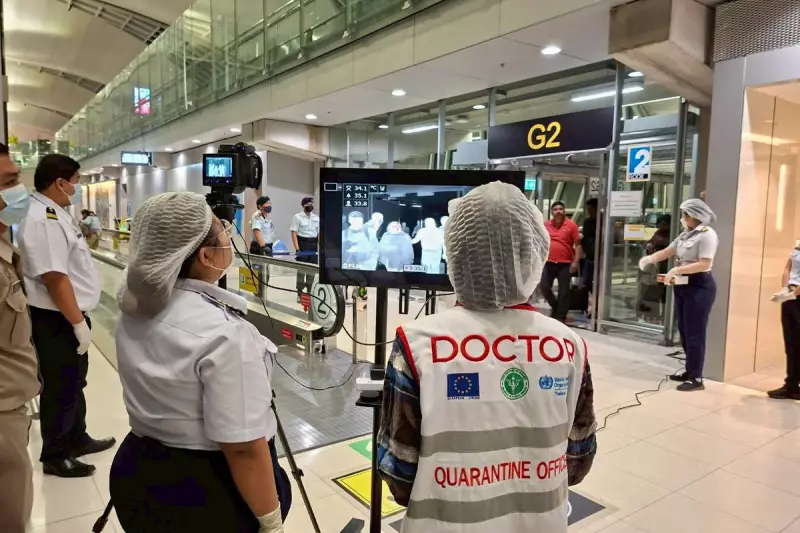
In response to growing concerns over a deadly virus outbreak, authorities across Asia have swiftly implemented enhanced health screening measures at major airports. This move aims to prevent the spread of the highly lethal Nipah virus, which has been confirmed in India, from crossing international borders and sparking a wider epidemic.
Urgent Screening Measures Enacted
Countries including Singapore, Hong Kong, Thailand, and Malaysia have introduced urgent screening protocols at their airports. These measures primarily involve temperature checks for travellers arriving from affected regions, designed to detect early signs of infection and isolate potential cases before they enter the general population.
World Health Organization Warning
The World Health Organization has classified Nipah as a priority pathogen due to its alarming fatality rate, which ranges from 40% to 75%. Compounding the threat is the absence of an approved vaccine or cure, making containment efforts critical to public health safety across the continent.

Origin and Transmission Risks
The Nipah virus is naturally carried by fruit bats and can infect animals such as pigs, posing a zoonotic risk to humans. In people, it can cause a deadly brain-swelling fever, and it is transmissible through close person-to-person contact, heightening the urgency for preventive actions in densely populated areas.
Regional Responses and Precautions
Beyond airport screenings, various nations have tailored their responses to the virus threat. Nepal has ramped up border screening for travellers, while Thailand has assigned designated parking bays for aircraft arriving from infection zones, in addition to conducting thorough passenger health assessments.
Recent Cases in India
The impetus for these measures stems from confirmed Nipah cases in West Bengal, India, where two health workers tested positive in late December. Indian health authorities have since enhanced surveillance and contact tracing efforts to contain the outbreak locally, but international vigilance remains paramount.
As the situation evolves, travellers are advised to stay informed about health advisories and comply with screening procedures to mitigate risks. The coordinated efforts across Asia underscore the global importance of rapid response in managing epidemic-prone pathogens.