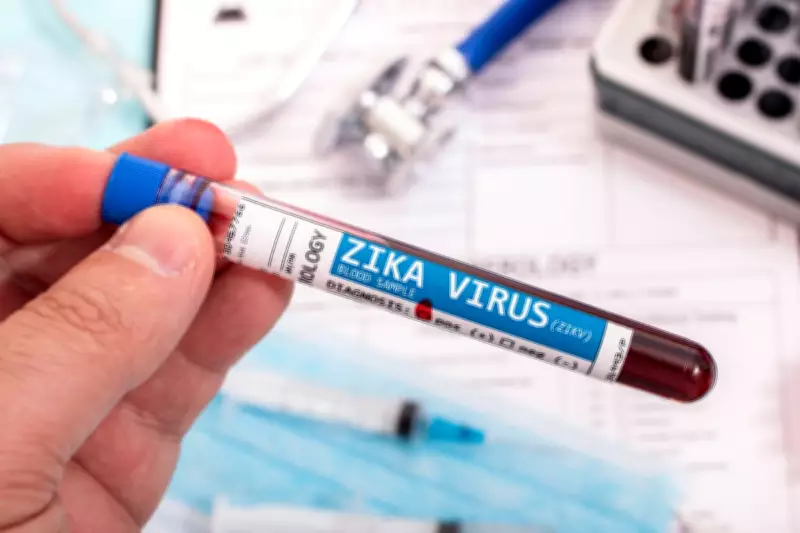
Zika Virus: A Decade-Long Travel Health Concern Persists
Ten years after the World Health Organisation declared a global health emergency due to the Zika virus outbreak, travel health warnings remain in place, particularly for pregnant women. The NHS continues to advise expectant mothers to carefully consider avoiding destinations where the virus poses a risk.
The Origins and Spread of Zika Virus
The Zika virus was first identified in 1947 when researchers isolated it from a monkey in Uganda's Zika Forest. This mosquito-borne infection typically causes mild symptoms in most individuals, though it can lead to serious complications during pregnancy. The 2015-2016 epidemic began in Brazil, where an estimated 1.5 million cases were recorded before spreading to 75 countries worldwide.
While global outbreak conditions have subsided, the virus continues to circulate in numerous regions, maintaining its status as a significant travel health consideration.

Recognising Zika Virus Symptoms
Most people infected with Zika virus experience few or no noticeable symptoms. When symptoms do appear, they are generally mild and typically resolve within two days to a week. According to NHS guidance, common symptoms include:
- A high temperature or fever
- Persistent headaches
- Sore, red eyes
- Swollen joints and muscle pain
- An itchy rash covering the body
Current Government Travel Guidance
The UK Health Security Agency confirms that Zika virus is considered endemic in the Americas and Caribbean following the major outbreak. However, the agency assesses the public health risk to travellers returning to the UK as negligible, primarily because the specific mosquito species that transmits the virus is not found in the United Kingdom.
Despite this reassurance for UK residents, health authorities maintain strong cautionary advice for those planning international travel to affected regions.
Geographical Distribution and Risk Areas
Zika virus is most commonly reported in specific geographical regions, including:
- Parts of South and Central America
- The Caribbean islands
- Various Pacific island nations
- Selected areas of Africa and Asia
Notable outbreaks have been documented in Brazil, Mexico, Colombia, and Puerto Rico. The World Health Organisation reports that 86 countries and territories have recorded evidence of mosquito-transmitted Zika infection to date.
Pregnancy Risks and Complications
The most serious concerns surrounding Zika virus involve potential complications during and after pregnancy. Exposure to the virus can lead to several severe outcomes, including:
- Microcephaly, a rare neurological condition where an infant's head is significantly smaller than expected
- Premature birth
- Stillbirth
- Developmental problems affecting the baby's brain, hearing, and eyesight
The NHS explicitly warns that Zika virus can seriously harm your baby and advises pregnant women or those planning pregnancy to reconsider travel to countries with known Zika risks.
Prevention and Protection Measures
Currently, no vaccine or specific medication exists to prevent or treat Zika virus infection. Standard treatment involves rest, adequate fluid intake, and pain relief such as paracetamol for symptom management.
For travellers visiting affected regions, several protective measures are recommended:
- Couples should use condoms when engaging in sexual activity in areas where Zika virus is present
- Men should continue using condoms for three months after returning from a Zika-risk country, whether travelling with a partner or alone
- Women should continue condom use for two months after returning from a Zika-risk country when travelling alone
These precautions help prevent sexual transmission of the virus, which can occur even when travellers show no symptoms.
Ongoing Vigilance Required
A decade after the global health emergency declaration, Zika virus remains a significant consideration for international travellers, particularly those of reproductive age. While the immediate crisis has passed, the persistent presence of the virus in numerous countries necessitates continued awareness and precautionary measures.

Travellers planning visits to affected regions should consult current NHS and UKHSA guidance, remain informed about local outbreak situations, and implement appropriate protective measures throughout their journeys.