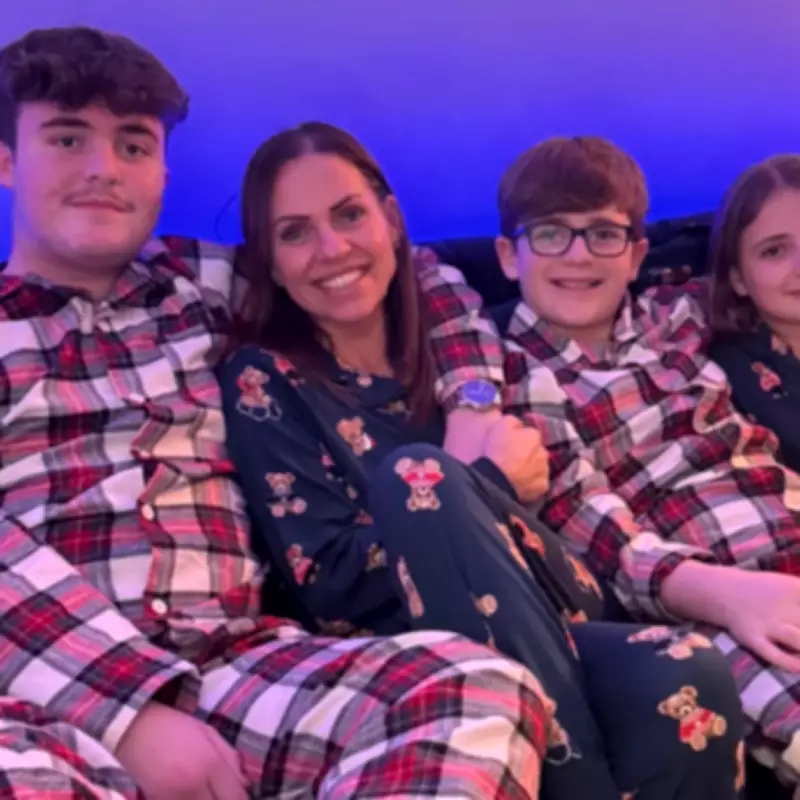
Corby Teenager's Persistent Headaches Lead to Devastating Brain Tumour Diagnosis
A football-loving teenager from Northamptonshire has been diagnosed with a terminal brain tumour after suffering from excruciating daily headaches for more than a year. Max Hall, aged 14 from Corby, initially received medical advice suggesting his symptoms were just migraines before a terrifying seizure last November revealed the true, devastating cause.
From Daily Pain to Life-Altering Diagnosis
Max's symptoms began when he was just 14 years old, with crippling headaches becoming a constant feature of his daily life. For over twelve months, medical professionals attributed his suffering to migraines or viral infections, leaving his family believing the condition would eventually pass. The situation changed dramatically six days after his birthday in November when Max experienced a severe seizure at home, stopped breathing, and required emergency hospitalisation.
His parents described their emotional journey to Sky News, stating: The journey has just been unbelievably bad. At one stage we were told it was a virus, so we thought, oh, that's brilliant, it'll go. But then it carried on, and we were then told it was a brain tumour. To be told that, you just cannot put it into words.

Grade-4 Diffuse Glioma: An Aggressive and Inoperable Tumour
Subsequent scans and biopsies delivered the devastating news that Max has a grade-4 diffuse glioma, an aggressive terminal brain tumour covering most of the left side of his brain. Medical professionals have determined the tumour cannot be operated on, leaving the teenager facing:
- Daily focal seizures that disrupt his normal activities
- Significant loss of energy, preventing him from playing football
- Periods requiring life support during critical moments
- An uncertain future with limited treatment options
Despite these immense challenges, Max demonstrates remarkable resilience. His mother Jackie told Brain Tumour Research: He never moans. Mentally, he's so strong. He often tells us, 'Don't worry Mum, I'm in the best place and we're going to get through this'.
Exploring Every Possible Treatment Pathway
Medical teams are now pursuing multiple avenues to extend Max's life and improve his quality of living. The treatment strategy includes:
- Investigating experimental immunotherapy options available in Germany
- Conducting full genomic sequencing to identify targeted treatments
- Exploring potential eligibility for new clinical trials
- Managing daily symptoms and seizure activity
Jackie Hall reflects on their experience with a crucial message for other families: If something doesn't feel right, push for answers. Their fight has expanded beyond Max's personal battle to advocate for better research and treatment development for all brain tumour patients.
The UK's Brain Tumour Crisis: Statistics and Research Gaps
Max's story highlights a significant public health challenge in the United Kingdom. Each year, approximately 13,000 people receive a brain tumour diagnosis, including hundreds of children and young adults. Tragically, brain tumours claim around 5,500 lives annually, making them the biggest cancer killer of children and adults under 40 years old.
Survival rates remain alarmingly low compared to other cancers. According to Cancer Research UK data, only about 19 percent of people diagnosed with brain or central nervous system tumours survive for ten years or more. This poor prognosis exists despite brain tumours receiving a disproportionately small fraction of national cancer research funding relative to their mortality impact.
A Family's Fight for Time and Research Progress
The Hall family now balances their immediate focus on Max's treatment with broader advocacy for improved brain tumour research. They represent countless British families bearing the burden of a disease that receives inadequate research attention despite its devastating consequences.

Max continues to demonstrate extraordinary bravery while confronting his diagnosis. He maintains simple dreams that many teenagers take for granted: waking up in the morning and walking downstairs without experiencing a seizure. For now, he battles forward with courage, fighting for each additional day while his family explores every possible medical avenue to extend his life and improve his quality of living.