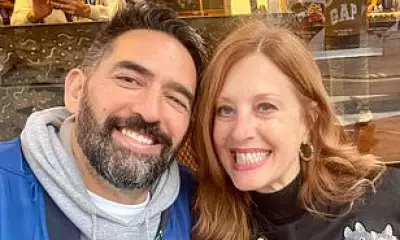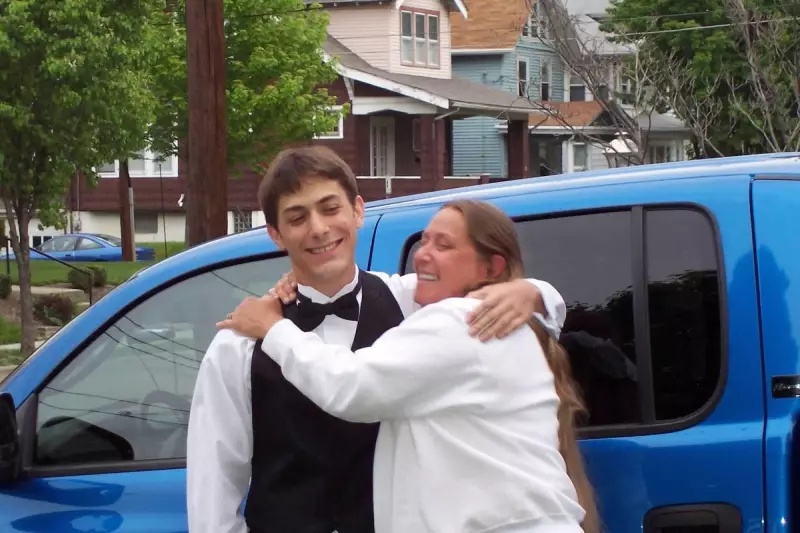
In a profound story of enduring connection, a mother who donated her only son's organs is fighting to ensure the young woman who received his heart can afford the medication needed to keep it beating. Mary Cutter, 65, from Cincinnati, Ohio, has offered to personally pay for the vital anti-rejection drugs for 25-year-old Payton Herres after a sharp increase in her health insurance copayment made them unaffordable.
A Lifesaving Gift and an Unbreakable Bond
In March 2012, Mary Cutter faced an unimaginable tragedy when her 24-year-old son, Christian, died suddenly. In her darkest hour, she made the selfless decision to donate his organs. At the same time, 11-year-old Payton Herres from Dayton was fighting for her life, suffering from a rare congenital heart condition called Ebstein's anomaly. Doctors did not believe she would survive to her 12th birthday.
Christian's heart was transplanted into Payton the day after he passed away, saving her life. For 13 years, this gift has connected the two families. Payton, now 25, even sent Mary a special teddy bear that plays a recording of Christian's heartbeat when its paw is squeezed. "I let everybody listen to Christian's heart, and it brings tears to our eyes every time," Mary told The Independent.

The Insurance Battle Threatening a Second Chance at Life
Payton's survival depends on a strict regimen of immunosuppressant drugs to prevent her body from rejecting the transplanted heart. For years, a combination of everolimus and cyclosporine worked effectively. However, in February 2025, her lifelong health insurer, Anthem Blue Cross Blue Shield, informed her they would no longer cover everolimus, deeming it "no longer medically necessary."
Following campaigning, Anthem reversed its decision in mid-September but with a critical caveat: Payton's copayment more than doubled. A 90-day supply now costs her $1,000, up from approximately $180. Earning $35,000 a year working in payroll for a non-profit, this hike is financially crippling.
The insurer suggested using a mail-order pharmacy to reduce costs, but Payton fears potential delivery delays with a life-sustaining drug. "Nothing they've shared has solved the fact that my out-of-pocket cost went up so much," she stated. Currently, her most affordable option is bypassing insurance entirely using a GoodRx coupon, costing $234.86 for 90 days—a price that is not guaranteed long-term.
A Mother's Promise and a Broken System
Upon learning of Payton's struggle during their first-ever phone call, Mary Cutter immediately offered to cover the medication costs herself. "I'll do whatever I can to keep hers and my son's heart going," Mary vowed. She has already endured the loss of her husband and brother since Christian's death, stating, "I'm the only one left. But you know, Payton's there with Christian."
Payton was deeply moved but heartbroken by the offer. "It was one of the most beautiful and most wrong things I've ever experienced," she said. "It's beautiful because it showed how deeply she loves me and still loves her son through me. But at the same time, it's wrong because she's already given the ultimate gift."
Payton is also campaigning for broader change. Everolimus is currently only FDA-approved for liver and kidney transplant patients, not heart recipients, despite evidence of its benefits. She has launched a petition urging the FDA and drug manufacturer Novartis to review its use for heart transplants. "Heart transplant patients deserve the same level of access and protection afforded to other organ recipients," she argues.
For Mary Cutter, the fight is deeply personal. "If anything happened to her son's heart, 'it would be like living the whole thing over again,'" she said. Their story highlights the ongoing challenges and financial burdens faced by transplant recipients long after their life-saving surgery, raising urgent questions about drug accessibility and insurance practices.