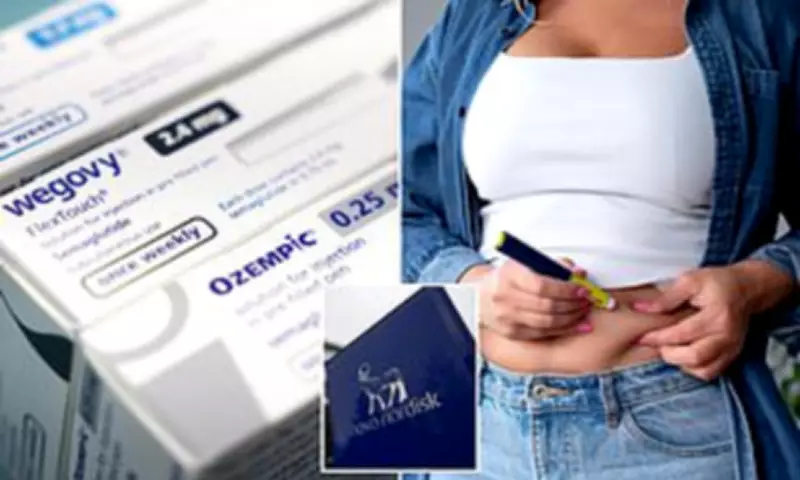
The pharmaceutical company behind the blockbuster weight-loss medications Ozempic and Wegovy is bracing for a significant downturn in sales, forecasting a sharp decline this year as it contends with formidable competitors and new regulatory challenges. Novo Nordisk, the Danish firm responsible for these popular drugs, has issued a stark warning about the impact of what it describes as 'unprecedented' pricing policies on its future profitability.
Market Turmoil and Financial Forecasts
Shares in Novo Nordisk plummeted by as much as 18 percent on Wednesday following the company's announcement that sales and profits are likely to decrease in 2026. The firm predicts a decline of eight to 13 percent this year, marking an end to its recent period of substantial growth and profitability. This downturn is attributed to a combination of factors that are reshaping the pharmaceutical landscape.
Key Factors Driving the Sales Decline
Several critical elements are contributing to Novo Nordisk's challenging outlook. Firstly, President Donald Trump's initiatives to reduce drug costs are exerting significant pressure on pricing structures. New policies could potentially slash the monthly cost of these medications from over $1,000 to just a few hundred dollars, directly impacting revenue streams.

Additionally, the loss of key patent protections in various countries is opening the door for generic competitors to enter the market, further eroding Novo Nordisk's market share. While the company will retain patent exclusivity in Europe and Japan until 2033, and in the United States until 2032, the impending expiration in other regions poses a long-term threat.
Rising Competition from Eli Lilly
The competitive landscape is intensifying, particularly from rival pharmaceutical giant Eli Lilly. Their drug tirzepatide, used in Mounjaro and Zepbound, has been hailed as a more effective alternative, often referred to as the 'King Kong' of weight-loss medications. Medical professionals note that tirzepatide mimics two hunger hormones compared to the single hormone targeted by semaglutide, the active ingredient in Ozempic and Wegovy, leading to reduced cravings and potentially better outcomes for patients.
Recent data underscores this shift in market dynamics. Prescriptions for semaglutide experienced a slight decline of 0.8 percent from August to December last year, while prescriptions for tirzepatide surged by an impressive 10 percent. This trend suggests that although Ozempic pioneered the weight-loss drug boom, it may now be facing replacement by more cost-effective and potent alternatives.
Strategic Responses and Future Outlook
Novo Nordisk's Chief Executive Officer, Mike Doustdar, addressed the situation during a recent press call, describing the 2026 forecast as reflective of a year of 'unprecedented pricing pressure.' He characterized the anticipated impact as 'painful' but expressed hope that it would serve as an 'investment for our future,' indicating a strategic pivot towards long-term resilience.
The company is also navigating a growing shift towards self-paying patients, as opposed to those relying on insurance coverage, alongside increasing rebates demanded by insurers. These changes are compounding the financial pressures on Novo Nordisk's traditional business model.
Innovation and New Product Launches
Despite these challenges, Novo Nordisk remains optimistic about its prospects. The firm is hopeful that the introduction of its new weight-loss pill will attract additional customers and help offset some of the anticipated losses. Doustdar highlighted encouraging early uptake from the US launch of the Wegovy pill, expressing confidence in the company's ability to drive volume growth in the coming years.
With an estimated 31 million Americans, or approximately one in eight, having used weight-loss drugs at least once, the market potential remains substantial. Novo Nordisk's ability to innovate and adapt to evolving market conditions will be crucial in determining its future success in this highly competitive sector.