The UK Health Security Agency (UKHSA) has issued an urgent reminder for British travellers ahead of the summer holiday season. Holidaymakers are warned that a single mosquito bite could lead to potentially deadly malaria. The agency stresses that the disease continues to pose a significant risk in many popular destinations across Africa, Asia, and South America.
Global Progress and Persistent Threat
While the global fight against malaria has seen remarkable achievements—with approximately 2.3 billion infections and 14 million deaths averted since 2000—the situation remains concerning. The World Health Organization reports that 47 nations are now certified malaria-free, and several others are nearing elimination. However, in 2024 alone, there were an estimated 282 million infections and 610,000 deaths worldwide, a slight increase from the previous year, indicating that progress may be stalling.
Essential Precautions for Travellers
Health authorities advise travellers to prepare four to six weeks before departure by checking destination-specific risks. Simple measures can significantly reduce the danger, including:

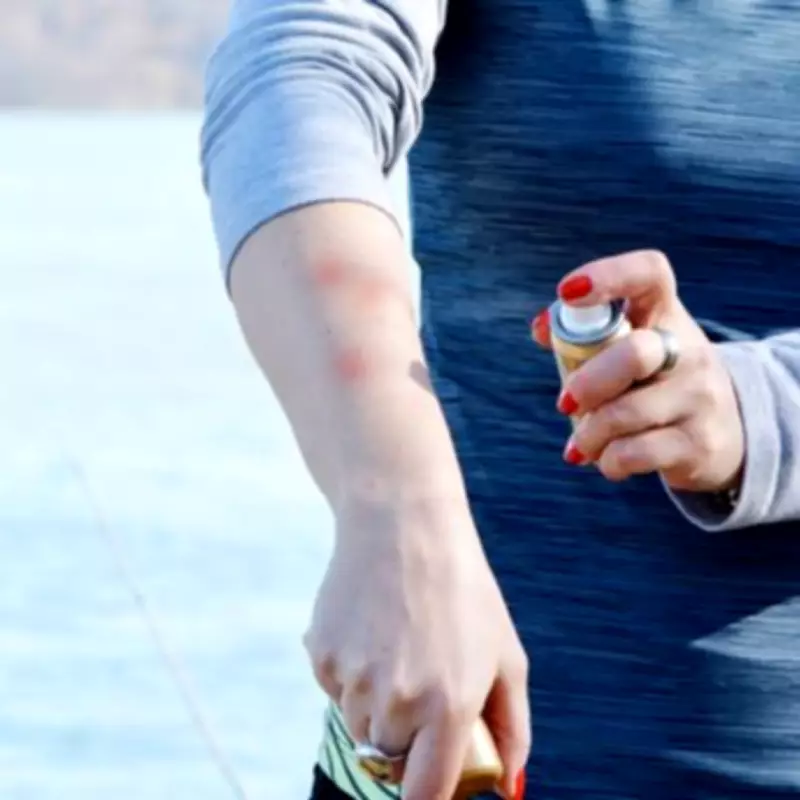
- Applying insect repellent
- Covering bare skin
- Using treated mosquito nets while sleeping
- Taking prescribed anti-malarial medication
Modern preventative drugs are over 90% effective when used correctly. However, officials emphasise that no method offers absolute protection, even for those who have previously lived in or travelled to high-risk areas.
Recognising Symptoms After Return
Travellers are also cautioned not to dismiss symptoms after returning home. Malaria can initially resemble the flu, with fever, chills, and fatigue, but can rapidly become severe. Symptoms may appear weeks or even months after travel, and sometimes up to a year later. Anyone experiencing a fever after visiting a risk zone should seek immediate medical attention and request a same-day malaria test. Healthcare professionals are instructed to treat suspected malaria as a medical emergency, as certain strains can be fatal within hours if not treated promptly.