Almost 4,000 claimants have filed the UK's largest environmental pollution lawsuit at the High Court, targeting major poultry producers and Welsh Water over alleged pollution in three Welsh rivers: the Wye, Lugg, and Usk. The claimants, including local residents, business owners, and river users, seek substantial compensation and a court order for the companies to clean up the rivers.
The claim alleges that sewage discharges and chicken manure have caused extensive pollution since 2019, harming water quality, killing fish and wildlife, and creating bad smells. This has reportedly affected local businesses, property values, and people's enjoyment of the area. The defendants—Avara Foods Limited, Freemans of Newent Limited, and Welsh Water—all deny the allegations.
Avara Foods argues the claim is based on a misunderstanding, stating no manure is stored or spread on its poultry-only farms. Welsh Water claims it has made real improvements in water quality in recent years. The legal action is led by Leigh Day, with partner Oliver Holland stating that the court has become the last avenue for justice due to government and regulator failures.

Lead claimant Justine Evans, a wildlife filmmaker, described the river's decline: 'My relationship with the river has completely changed... I no longer feel comfortable going in it.' Former Olympic swimmer Roland Lee, who moved to swim in the Wye, now warns against entering the water. Another claimant, Gino Parisi, noted the River Usk's deterioration, with cloudy water and foam build-ups preventing him from paddling or swimming.
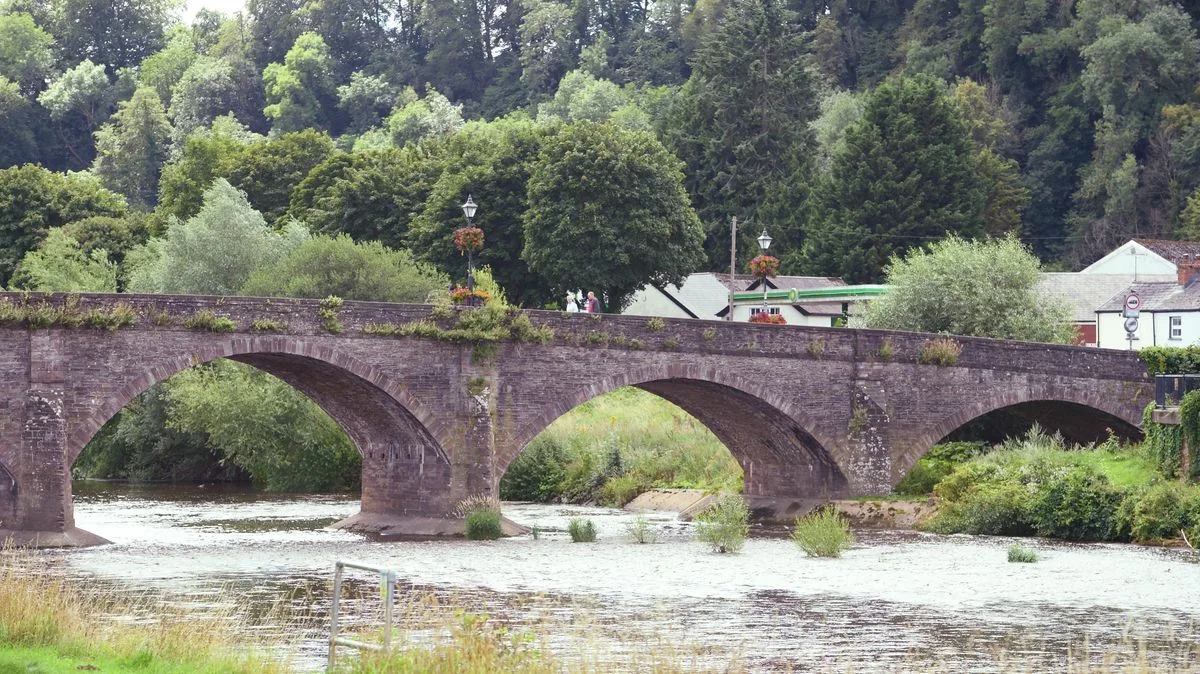
The three rivers are protected for rare wildlife, including otters, freshwater pearl mussels, and Atlantic salmon. The River Wye, running 155 miles, has had its health downgraded due to farming pollution, with a quarter of UK poultry raised in its catchment. The River Lugg is a major tributary of the Wye, while the River Usk flows over 75 miles from the Brecon Beacons to the Bristol Channel.