A remarkable archaeological discovery in Southern Siberia has revealed that a woman from the Iron Age survived pioneering jaw surgery approximately 2,500 years ago. This finding offers unprecedented insights into early medical practices and human resilience in ancient times.
Discovery and Examination
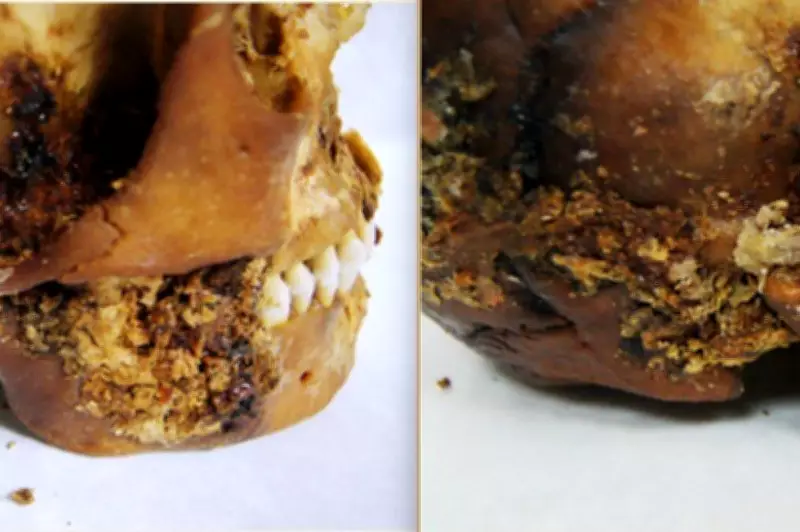
Estimated to have been between 25 and 30 years old at the time of her death, the woman was found partially mummified in a wooden coffin preserved in ice at the Verkh-Kaldzhin-2 site. This location is associated with the Pazyryk culture, an Iron Age society known for its nomadic lifestyle in the harsh Altai mountains.
Experts from Russia's Novosibirsk State University conducted a detailed CT scan of her skull, which was concealed beneath layers of mummified tissue. The scan uncovered a severe head injury: her right jaw joint was destroyed, ligaments were torn, and her lower jaw was displaced. Without medical intervention, she would likely have died quickly from complications such as infection or an inability to eat.

Surgical Evidence and Techniques
The CT scan revealed two small holes deliberately drilled into the bone during her lifetime, each surrounded by a ring of new bone growth, indicating successful healing. Traces of elastic material, likely horsehair or tendon, were found inside these holes. Scientists believe this served as a primitive surgical ligature to stabilise her jaw, allowing it to function properly.
Further proof of the surgery's success came from an analysis of her teeth. Teeth on the injured side remained intact, while those on the healthy side showed significant wear from overuse. This pattern suggests she survived long-term after the procedure, enabling her to chew and speak effectively once more.
Historical Context and Significance
This case is now considered the earliest known example of such complex jaw surgery, predating many other ancient medical practices. The Pazyryk culture was already known for performing trepanning—drilling holes in the skull—during life, but this discovery highlights their advanced capabilities in lifesaving procedures.
Natalia Polosmak, a researcher at the Institute of Archaeology and Ethnography in Novosibirsk, emphasised the importance of surgery in this era. "Surgery is essential for sustaining life. In the harsh Altai mountains, it was vital," she stated. "Pazyryks were a small population with low birth rates and short lifespans. Every life mattered. This study confirms that they could perform complex surgery to save lives."
The cause of her injury remains unknown, though researchers speculate it could have resulted from a fall from a horse or a height. It is unclear how long she lived after the surgery, but the evidence points to a successful recovery that allowed her to reintegrate into her community.
This discovery not only sheds light on the medical ingenuity of ancient societies but also underscores the enduring human drive to overcome adversity through innovation and care.