

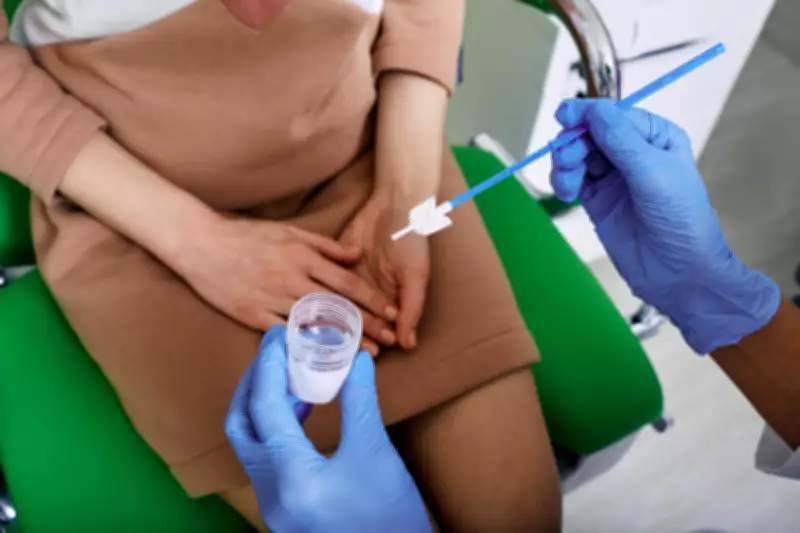
Researchers have proposed a potentially revolutionary shift in cervical cancer screening, suggesting that analysing menstrual blood for human papillomavirus (HPV) could serve as a robust and less invasive alternative to the traditional smear test.
Study Reveals High Accuracy
A significant study conducted in China has found that a specially designed sanitary pad, used to collect menstrual blood samples, detected HPV with a notable sensitivity of 94.7 per cent for identifying cervical cell abnormalities. This level of accuracy is reported to be comparable to samples collected directly by clinicians during conventional smear tests.
Addressing Key Barriers to Screening
The non-invasive nature of this method is seen as a major breakthrough in addressing common barriers that prevent many women from attending regular cervical screening appointments. These barriers include a widespread fear of pain associated with the procedure, deep-seated privacy concerns, and the social stigma that can sometimes surround gynaecological examinations.

By offering a method that can be conducted privately at home, this approach has the potential to significantly increase accessibility and provide women with greater choice in how they manage their health.
Expert Endorsement and Cautious Optimism
Leading health charities, including Cancer Research UK and the Eve Appeal, have welcomed these preliminary findings. Experts from these organisations have highlighted the promising potential for such a test to enhance participation rates in vital cervical cancer screening programmes across the UK and beyond.
The authors of the study themselves recommend that menstrual blood-based HPV testing be considered for integration into national cervical cancer screening guidelines. However, they also provide a crucial note of caution, emphasising that these are currently observational findings. Further rigorous research and clinical trials will be necessary to fully validate the method and establish its place in standard healthcare protocols.
This development follows notable public efforts to demystify and normalise cervical screening, such as television presenter Steph McGovern's decision to undergo a live smear test to raise awareness. The emergence of a less invasive alternative could mark a pivotal step forward in women's preventative healthcare.






