Scientists Recreate 3,500-Year-Old Ancient Egyptian Perfumes
In a remarkable breakthrough, scientists have developed innovative methods to accurately recreate perfumes that were used during ancient Egyptian mummification processes. This significant advancement leverages improved tools for analysing volatile organic compounds (VOCs), providing unprecedented insights into the perfumery, medicinal practices, and ritualistic traditions of one of history's most fascinating civilisations.
Unlocking the Secrets of Lady Senetnay's Fragrances
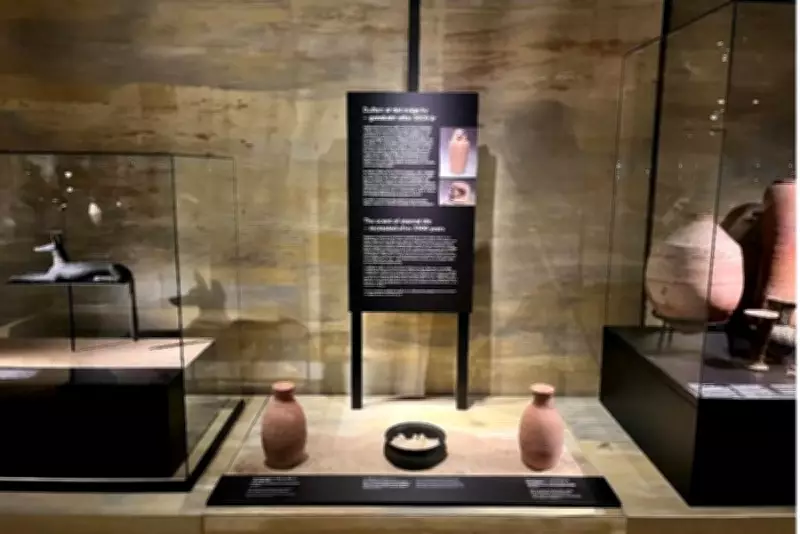
The recreated fragrances were meticulously derived from a set of four Egyptian canopic jars that once belonged to Lady Senetnay, a noblewoman from approximately 1450 BC. These jars, which were used to store internal organs during mummification, have preserved chemical traces that allowed researchers to identify and reconstruct the original scents. The project represents a fusion of archaeology and modern chemistry, enabling a deeper understanding of how ancient Egyptians integrated fragrance into their burial customs and daily life.
Multisensory Museum Experiences in Hanover
The new scientific methods are now being implemented in museum settings to enhance public engagement. At the Museum August Kestner in Hanover, Germany, visitors can experience these ancient perfumes through 'scented cards' available during guided tours. This initiative aims to transform traditional displays by offering multisensory experiences that evoke a more emotional and immersive connection to ancient mummification practices. By engaging the sense of smell, museums are providing a unique window into the past, allowing visitors to perceive history in a profoundly personal way.

Broader Implications for Historical Research
This development not only enriches our knowledge of ancient Egyptian culture but also sets a precedent for future archaeological studies. The ability to analyse and recreate volatile organic compounds opens up new avenues for exploring other historical artefacts and understanding the role of scents in ancient societies. Researchers hope that similar techniques can be applied to uncover more about the medicinal and ritualistic uses of plants and resins in antiquity, shedding light on the sophisticated practices of early civilisations.