Breakthrough Study Explains Statin-Related Muscle Aches
For decades, a perplexing side effect associated with cholesterol-lowering statins has baffled medical professionals. Since the 1980s, some patients have reported experiencing muscle pain, weakness, tenderness, and fatigue while on these medications, often leading them to discontinue use or switch treatments. This rare but troubling issue has remained a medical enigma until recent scientific advancements shed light on its underlying causes.
Key Findings from Columbia University Research
Recent research conducted by scientists at Columbia University has made significant strides in understanding this phenomenon. The study, titled 'Scientists finally uncover why statins cause muscle pain', suggests that for certain individuals, statins bind to a specific protein within muscle cells. This interaction triggers an uncontrolled leak of calcium ions from storage compartments, resulting in cellular damage, weakness, and pain.
Dr. Andrew Marks, chair of the Department of Physiology and Cellular Biophysics at the Vagelos College of Physicians and Surgeons, commented on the findings. He stated, "It is unlikely that this explanation applies to everyone who experiences muscular side effects with statins, but even if it explains a small subset, that’s a lot of people we could help if we can resolve the issue." He further emphasised the real-world impact, noting that muscle-related issues are the most common reason patients stop taking statins, highlighting an urgent need for solutions.

Mechanisms and Prevalence of Side Effects
The research indicates that statins can interfere with ryanodine receptors or reduce levels of coenzyme Q10 in muscle cells, leading to calcium leakage. However, it's important to note that many reported cases of muscle pain may also be attributed to the nocebo effect, where negative expectations of side effects cause symptoms rather than the drug itself. Studies suggest that while approximately 10% of statin users genuinely experience muscle pain, up to 90% of symptoms might stem from other factors like ageing or physical activity.
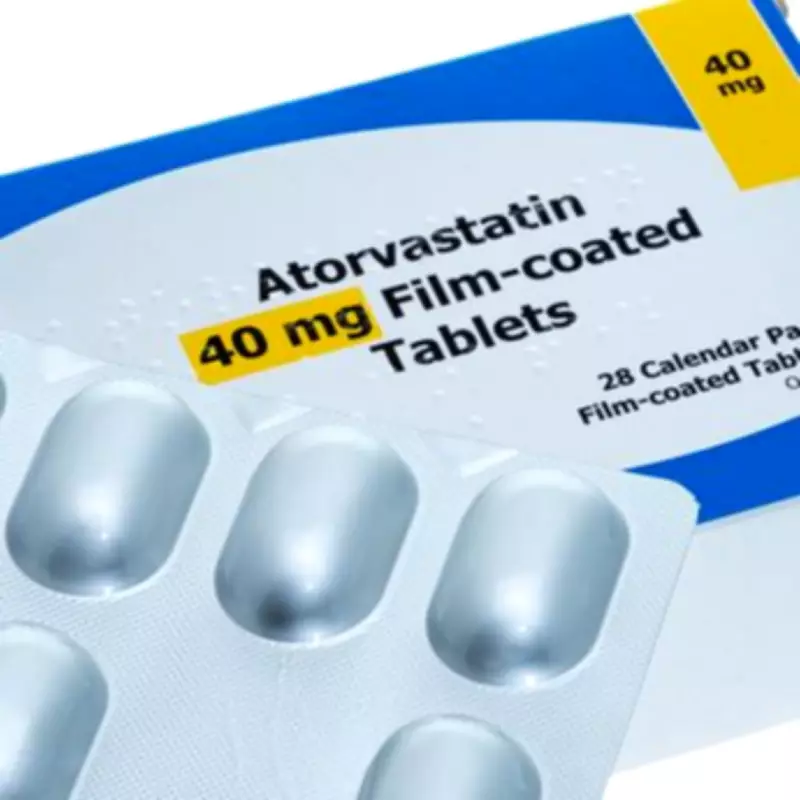
In the UK, statins such as Atorvastatin (Lipitor) and Simvastatin (Zocor) are commonly prescribed to manage high cholesterol and prevent heart disease. These medications are widely used, with over five million people in England receiving prescriptions in the 2023/24 period alone. Although muscle pain, known as myalgia, can occur, actual muscle damage is rare, and many patients tolerate statins without any adverse effects.
Clinical Implications and Future Directions
The NHS advises that rare side effects of statins include muscle weakness, peripheral neuropathy, and tendon problems. If patients experience unexplained muscle pain, they should consult their GP, who may conduct blood tests for creatine kinase levels to assess muscle inflammation. Adjustments such as changing the dosage, switching to alternative statins like Rosuvastatin or Pravastatin, or incorporating moderate exercise can help alleviate symptoms.
Looking ahead, Dr. Marks and his team are collaborating with chemists to redesign statins that maintain their cholesterol-lowering efficacy without binding to the ryanodine receptor, potentially eliminating this side effect. This innovation could benefit the seven to eight million adults in the UK who rely on statins for cardiovascular protection.
Practical Advice for Patients
Patients are urged not to discontinue statin use abruptly without medical guidance. Instead, they should discuss concerns with healthcare providers to explore options like dosage modifications or alternative medications. Reporting suspected side effects through the Yellow Card Scheme, managed by the Medicines and Healthcare products Regulatory Agency (MHRA), is also recommended to enhance drug safety monitoring.
Ultimately, while statin-induced muscle pain remains uncommon, this new research provides a clearer understanding of its mechanisms, offering hope for improved treatments and patient outcomes in the future.