Woman Receives Life-Changing Face Transplant After Canary Islands Insect Bite
Face Transplant After Insect Bite in Canary Islands

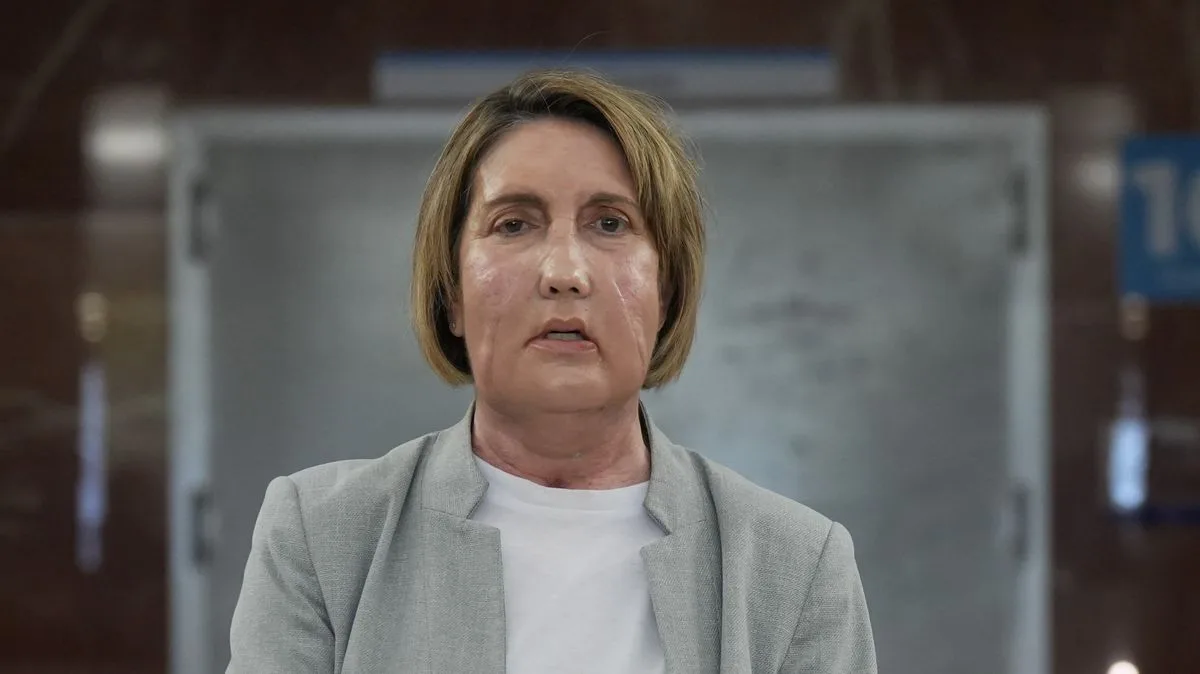
A woman has received a groundbreaking partial face transplant following a devastating bacterial infection that resulted from an insect bite during a holiday in the Canary Islands. The patient, identified only as Carmen, underwent the intricate surgical procedure at Vall d'Hebron Hospital in Barcelona, marking a remarkable medical achievement.

The Tragic Incident and Medical Emergency

Carmen's ordeal began when she suffered a mosquito bite while vacationing in the Canary Islands. This seemingly minor incident led to a severe bacterial infection and sepsis, which caused extensive tissue necrosis. The condition progressively destroyed half of her face, leaving her with significant disfigurement and functional impairments.

In her own words, Carmen described the physical and emotional toll: "The bacteria made me want to disappear from this world. I was in three different ICUs, and when I came out, necrosis had eaten away half my face." She detailed how she could not eat properly because she could not open her mouth, had lost half her nose, and struggled to breathe. The situation made everyday life unbearable, leading to profound psychological distress.

The Groundbreaking Transplant Procedure

The transplant was made possible by an extraordinary donor—a woman who had requested euthanasia and expressed a specific wish to donate not only her organs but also her face. This unique circumstance allowed the medical team to plan the surgery with unprecedented precision.

Dr. Joan-Pere Barret, head of the plastic surgery and burns unit at Vall d'Hebron Hospital, explained the complexity of the operation: "Face transplantation is not just about placing soft tissue to achieve a normal appearance. It is done to provide function and sensitivity. A face transplant that cannot feel or move is nothing more than a mask."

Advanced Planning and Surgical Innovation

Due to the planned nature of the donation, surgeons were able to utilise advanced 3D software models to meticulously plan the reconstruction. This involved adapting bone structures and connecting muscles and tissues with precision, often working with structures less than a millimetre in diameter.

Dr. Barret noted: "We were able to sit down with the engineers and, using software models, we were able to plan the best options for reconstructing and adapting the bone structures to achieve the best possible function, up to the maximum match." He emphasised that such procedures are exceptionally rare, with only about 54 performed worldwide, due to their complexity.

The Donor's Legacy and Emotional Impact

The donor's decision to include her face in her organ donation wishes created a profound moment for the medical team. Dr. Barret described the "tremendous emotional magnitude" of the situation, stating he had "never imagined" experiencing such a moment but felt "fortunate enough to do so." The donor reportedly showed "great happiness" upon learning she could donate her face, adding a deeply human element to the medical story.

Comprehensive Medical Collaboration

The transplant involved a multidisciplinary team of approximately 100 professionals from Vall d'Hebron Hospital, including psychiatrists, plastic surgeons, and other specialists. This collaborative effort was essential for addressing both the surgical challenges and the psychological aspects of such a transformative procedure.

Recovery and Renewed Quality of Life

Carmen underwent the transplant last year and is currently engaged in intensive physiotherapy to restore facial functions. Her recovery journey shows promising progress, as she has begun to regain abilities many take for granted.

She shared heartwarming updates about her improving condition: "I was beginning to be able to eat again, talk, drink coffee, no longer mind 'going out', and can 'live a normal life'." Carmen expressed that she has "regained a quality of life" that she "never imagined" she would experience again, highlighting the transformative impact of the transplant.

While Spanish law prevents Carmen from meeting her donor's family, the gift has allowed her to move toward being "completely well, fantastic" within a year. This case underscores the life-changing potential of organ donation and medical innovation, offering hope to others facing similar traumatic injuries.