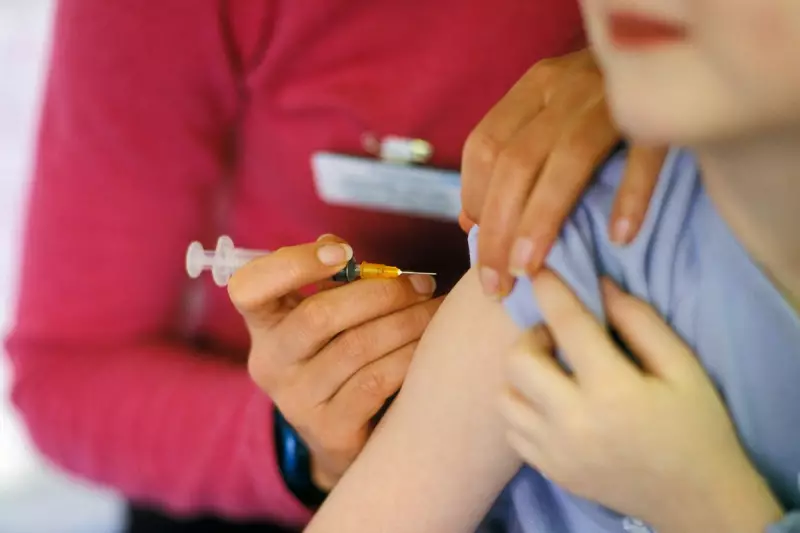
The UK's childhood immunisation programme has undergone a significant update, introducing new timings and vaccines that may alter the appointment schedule parents had previously memorised. The changes, announced in early 2026, include the long-awaited introduction of a routine chickenpox vaccine and the creation of a brand new vaccination visit for toddlers at 18 months old.
What's New in the Childhood Immunisation Schedule?
The most notable change is the addition of protection against chickenpox (varicella) through a combined vaccine known as MMRV. This single injection will guard children against measles, mumps, rubella, and varicella. Furthermore, the Hib/MenC booster vaccine, traditionally given at the one-year appointment, has been removed from the schedule.
To compensate, a new vaccination visit has been established at 18 months of age. This appointment will see children receive the second dose of the MMRV vaccine earlier than before, alongside an extra dose of the six-in-one vaccine that protects against diphtheria, tetanus, whooping cough, polio, Hib, and hepatitis B.

Why the Vaccine Schedule Changes
These adjustments are not arbitrary but are the result of continuous, evidence-based review by the UK's independent expert body, the Joint Committee on Vaccination and Immunisation (JCVI). The committee regularly analyses data from clinical trials, safety reports, and disease surveillance to ensure the schedule offers the best possible protection in a cost-effective manner.
The move to include the chickenpox vaccine follows evidence that, while often mild, the illness can lead to serious complications like pneumonia or encephalitis, requiring hospital treatment. The combined MMRV vaccine, already standard in countries like Canada and Australia, reduces the number of injections needed.
The shift at 18 months was prompted by a practical supply issue. The manufacturer of the Hib-MenC vaccine (Menitorix) decided to stop production. The JCVI assessed that a MenC booster in infancy was no longer critical due to the UK's successful control of meningococcal C disease, largely thanks to the MenACWY vaccine given to teenagers. However, continued protection against Haemophilus influenzae type b (Hib) remains vital, hence the extra six-in-one dose.
What This Means for Parents and Public Health
Bringing the second MMRV dose forward to 18 months is strategically important. It accelerates protection against measles, mumps, rubella, and chickenpox amidst concerns over outbreaks. Pilot schemes in parts of London offering the second MMR dose early have historically led to higher overall vaccination uptake by the time children reach school age.
For parents, these changes serve as a reminder that the UK's immunisation programme is a dynamic system, not a static one. Moments of adjustment briefly illuminate the complex work that usually operates seamlessly in the background of family life. While a changed schedule can initially cause uncertainty, it ultimately represents the system's strength: its ability to evolve with new scientific evidence and changing disease patterns to keep children safe.
As Charlie Firth, a PhD Candidate in Paediatrics at the University of Oxford, notes, such updates are a routine part of maintaining an effective public health infrastructure over the long term.