Adolescence brings a whirlwind of physical change, often leaving teenagers feeling uncoordinated and clumsy. New research highlights a simple, equipment-free solution: a 10-minute neuromuscular training programme that can dramatically improve agility, balance, and muscle coordination during this critical developmental period.
Why Teenagers Lose Their Coordination
The rapid growth spurt of puberty creates a biological mismatch. Bones lengthen first, followed by muscles, and finally the nerve connections that control them. This lack of synchronisation means the brain struggles to adapt to a body that is changing shape almost monthly. The result is a period of "motor-skill vulnerability", where teens may trip easily or lose accuracy in movements they once mastered.
"This is a question of biology rather than clumsiness," explain experts Elena Mainer Pardos and Rafael Albalad Aiguabella from Universidad San Jorge. Their bodies are transforming faster than their neural pathways can update.

Training the Brain to Move Better
Neuromuscular training directly addresses this disconnect. It focuses not on lifting heavier weights or completing more repetitions, but on improving the quality of movement. The goal is to enhance the precision with which the brain communicates with muscles, refining reaction times and control.
When performed properly, this training enhances agility, balance, reaction speed, and joint stability. It teaches the nervous system to detect changes—like a loss of balance—and activate the correct stabilising muscles within milliseconds, preventing falls and injuries.
The 10-Minute, No-Equipment Programme
Experts recommend a concise routine, taking just 10-12 minutes to complete, 2-3 times per week. Each exercise follows a pattern of 40 seconds of work followed by 20 seconds of rest.
- Dynamic Movement: Hip flexions, spine rotations, and shoulder mobility to activate the body and improve alignment.
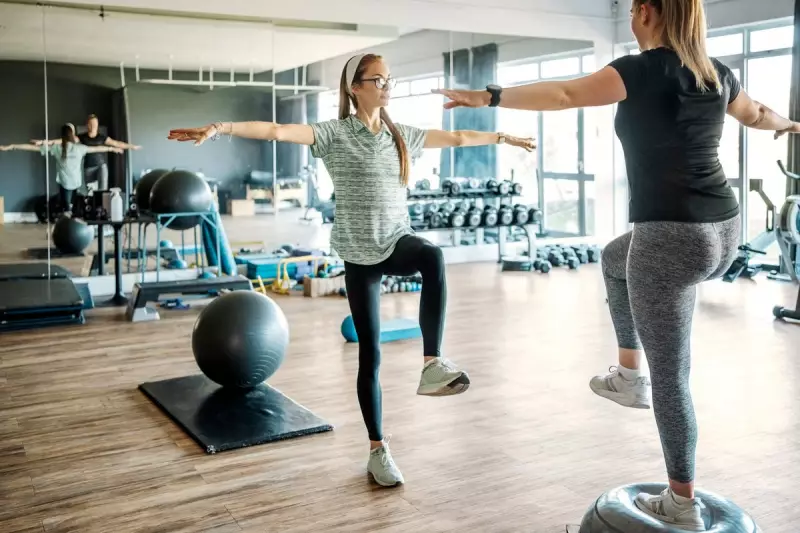
- Stability and Balance: Balancing on one leg while touching points on the floor around you. This directly challenges and improves postural control.
- Core and Hip Strength: A plank with alternating leg or arm lifts, keeping hips still to strengthen spine-stabilising muscles.
- Knee Alignment and Landing: Gentle standing jumps focusing on a "soft landing" technique—knees forward, hips back—to reduce injury risk.
- Agility: Zigzag movements between cones or objects, with controlled stops to help the brain learn to reorient movement without losing control.
Benefits Beyond the Sports Field
The value of this training extends far beyond athletic performance. It builds physical literacy for everyday life: walking confidently, climbing stairs safely, or reacting swiftly to avoid a fall. The benefits are both physical and mental, improving body awareness, concentration, and overall confidence in movement.
In an increasingly sedentary world, incorporating such neuromuscular work into school PE lessons or youth activity programmes should not be seen as a luxury for aspiring athletes. The researchers argue it is an essential component of healthy adolescent development, crucial for injury prevention and fostering a lifelong positive relationship with physical activity.