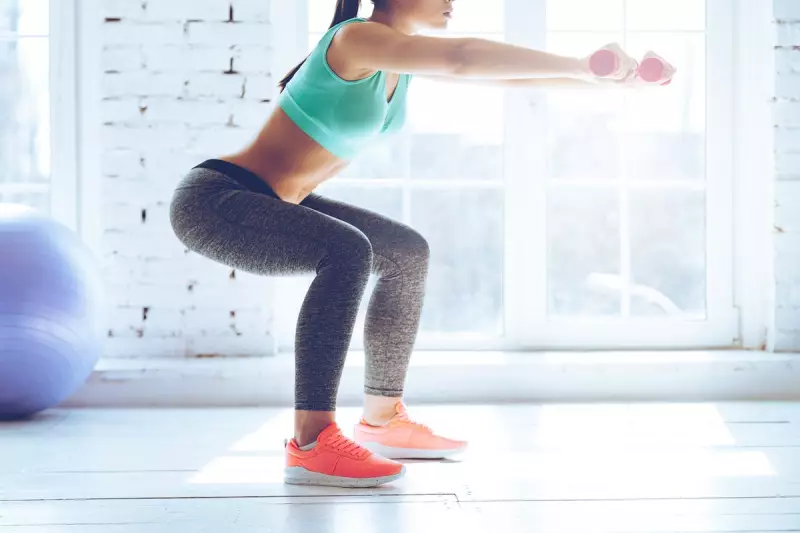
Forget expensive gym memberships and bulky equipment. A powerful fitness trend sweeping the UK proves that the most effective tool for building strength has been with you all along: your own body. Bodyweight training, the practice of using your body mass as resistance, offers a completely free and highly accessible route to improved fitness that can be done anywhere, from a local park to your living room.
What Exactly Is Bodyweight Training?
Bodyweight training is a form of strength conditioning where you leverage your own body weight for resistance, eliminating the need for external weights like dumbbells or barbells. This method encompasses a wide range of movements, from dynamic exercises like push-ups, squats, and lunges to static holds such as planks and yoga poses.
It can target every major muscle group effectively. Common exercises are often categorised by the body region they engage:

- Upper body: Push-ups, pull-ups, handstands.
- Lower body: Squats, lunges, step-ups, glute bridges.
- Core: Sit-ups, planks, mountain climbers.
- Whole body: Burpees, bear crawls, jump squats.
While purely equipment-free, the discipline also includes styles like calisthenics, which often incorporates bars and rings, typically found in outdoor gyms sprouting up in UK towns and cities.
The Benefits and Considerations of Using Your Own Weight
The advantages of this training style are compelling, particularly for those facing barriers to traditional gym access. A significant 2025 meta-analysis of 102 studies, involving 4,754 older adults with an average age of 70, found that bodyweight training led to substantial strength gains that were no different from those achieved with free weights or machines. These benefits extend across age groups, with resistance bands—a low-cost adjunct—making workouts as effective as traditional training.
Furthermore, it boosts aerobic fitness; a 2021 study showed that just 11 minutes of bodyweight exercises, three times per week, was effective for improvement. Perhaps its greatest strength is accessibility—it’s free, requires no facility, and promotes functional movements that mimic everyday actions like rising from a chair.
However, experts note some limitations. Progressing can require creativity, such as slowing movement tempo or switching to unilateral exercises, as you cannot simply add more weight. There is also a plateau risk for maximal strength gains, as heavy external loads are ultimately more effective for pushing absolute strength limits.
How to Begin Your Bodyweight Fitness Journey Safely
As with any new exercise regimen, consulting a medical professional before starting is always advised. For those ready to begin, exercise scientists Dan van den Hoek of the University of the Sunshine Coast and Jackson Fyfe of Deakin University recommend a measured approach.
Start small with simple movements, prioritising quality of form over quantity. Focus on completing each repetition with good control. To progress, vary the number of sets and repetitions, or advance to harder exercise variations—moving from knee push-ups to standard push-ups, for example. Incorporating a mix of exercise types, such as yoga for flexibility or suspension training for core stability, can provide a balanced routine. Seeking guidance from a local exercise professional or using trusted apps can also help structure your workouts effectively.
Ultimately, bodyweight training demystifies fitness, proving that a portable gym is always at your disposal. With consistency and intelligent progression, it offers a formidable path to building strength and enhancing health without the financial burden.