Glute Strength: The Surprising Muscle Linked to Longevity and Health
Humans are perpetually searching for ways to extend their lifespan, and recent insights suggest the answer might lie closer than expected. Your glutes, the largest muscle group in the human body, do more than just enhance your appearance in photos; they play a vital role in supporting bodily functions and movement.
Why Glutes Matter for Independent Living
Experts emphasize that glute muscles are critical indicators of overall health, reflecting the effects of disease or a sedentary lifestyle. Theresa Marko, an adjunct professor of physical therapy at Touro University, highlighted their importance for daily activities, stating, "Glutes are so important for independent living. Do you want to get off the subway? Do you want to get off the toilet?" This underscores how essential these muscles are for maintaining mobility and autonomy as we age.
The Longevity Connection
Research has consistently shown that building muscle can significantly boost life expectancy. According to the non-profit AARP, just one hour of strength training per week can increase life expectancy by 17 percent. Aging naturally leads to muscle loss, with the average 30-year-old losing about a quarter of their muscle strength by age 70 and half by age 90, as noted by Harvard Health. Elaina Manolis, an assistant clinical professor at Northeastern University, explained, "Muscle mass really is the key to longevity. It really is our insurance policy for how long we want to stay functional." She added that functionality and independence in later life depend heavily on how well one moves.

Benefits Beyond Physical Health
The glutes, including the gluteus maximus, medius, and minimus, serve as a foundation for movement, helping to prevent injuries, stabilize the hips and pelvis, protect the spine, and absorb shock during activities like walking or running. Past studies indicate that stronger glutes can protect older adults from falls. Amy Koch, a physical therapist at Nebraska Methodist Health System, noted, "Strong gluteals are important for proper pelvic alignment, propulsion during walking and running, and even standing on one leg. They also help support the lower back during lifting and prevent knee injuries." Moreover, evidence suggests a link between glute strength and brain health, with stronger leg muscles improving cerebral circulation and reducing inflammation, as Dr. Chris Renna of LifeSpan Medicine pointed out.
Combatting Dead Butt Syndrome
With Americans sitting for up to eight hours daily on average, many face "dead butt syndrome," a condition caused by muscle weakness that leads to a numb sensation in the buttocks. Dr. Andrew Bang, a chiropractor with the Cleveland Clinic, warned, "While dead butt syndrome may be a funny term, it can grow into some serious health issues that affect your ability to move." Preventive measures include sitting up straight, keeping feet flat, avoiding crossed legs, and shifting positions frequently, but these alone may not fully engage the glutes. Dr. Callie M. Davies, a sports medicine physician at the Mayo Clinic, added that prolonged sitting raises mortality risk, making movement essential.
Simple Exercises for Stronger Glutes
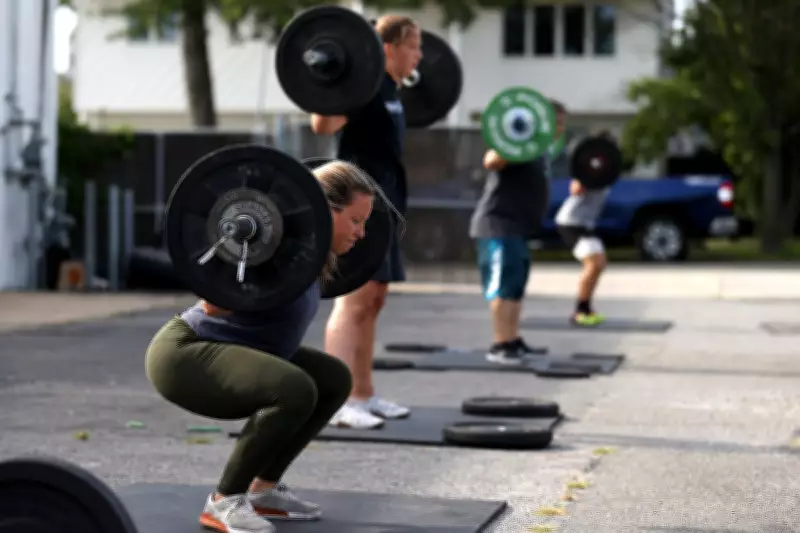
To counteract these effects, experts recommend targeted exercises such as glute bridges, squats, hip thrusts, and deadlifts. Activities like using a stairmaster, climbing stairs, or running can also help build glute muscle. The International Sports Sciences Association advises doing 6-12 repetitions with heavy resistance when using weights to effectively build muscle. Sandor Dorgo, a professor of kinesiology at the University of Texas at San Antonio, emphasized, "What they need to do is mimic movement patterns that we would see in everyday life." By incorporating these practices, individuals can enhance their glute strength, supporting longevity and overall well-being.