Iran Broadcasts Taunting Video of Alleged Missile Attack on US Aircraft Carrier
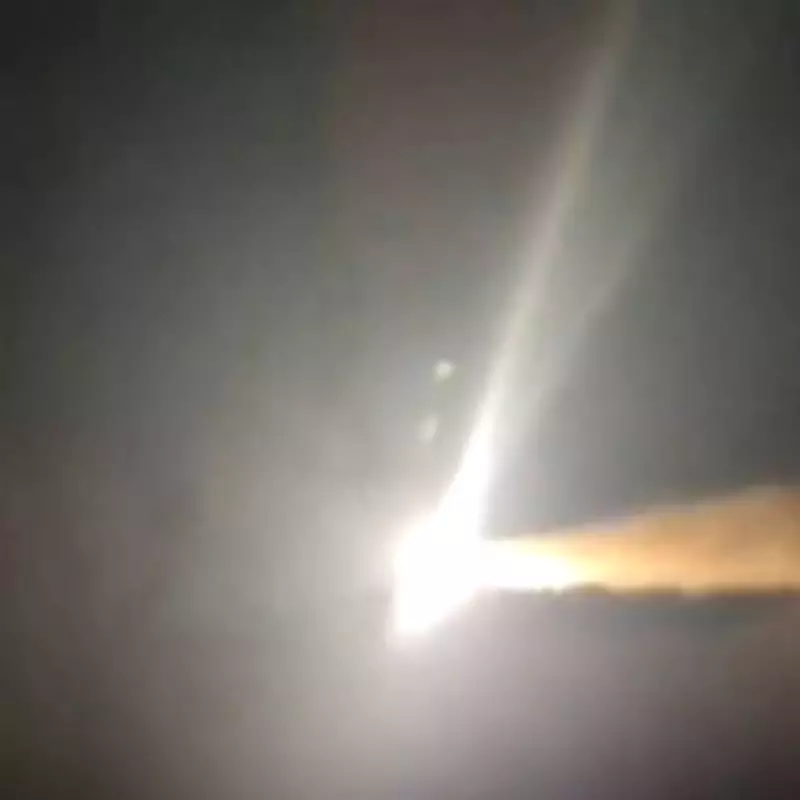
Iranian state media has released a provocative video that it claims depicts cruise missiles being launched at the USS Abraham Lincoln aircraft carrier. The footage, broadcast by Press TV on Wednesday, March 25, 2026, shows missiles firing into darkness while off-camera voices shout "Allahu Akbar," meaning "God is the Greatest." According to the broadcaster, the American warship was forced to change course after land-to-sea missiles were fired to assert Iran's maritime sovereignty and counter threats from the US "hostile fleet."
US Officials Confirm No Damage to Carrier
American officials have confirmed that the USS Abraham Lincoln sustained no damage from the alleged attack and remains fully operational, continuing its duties in the Sea of Oman. The Sun reports that the carrier group is still performing its missions without interruption. However, Iranian Rear Admiral Shahram Irani issued a stark warning via Press TV, stating that the "hostile" US carrier group would face "crushing strikes" if it entered the range of Iran's missile systems.
Tehran Rejects US Peace Proposal and Presents Own Demands
The video emerged on the same day that Tehran dismissed a US proposal to halt the ongoing war in the Middle East. Washington had presented a 15-point plan, described by Pakistani officials as including sanctions relief, scaling back Iran's nuclear programme, missile restrictions, and reopening the Strait of Hormuz. In response, Iran broadcast its own proposal through state television, which includes:

- A cessation of assassinations targeting Iranian officials
- Strategies to prevent further wars against Iran
- Compensation for the conflict
- An end to hostilities
- Iranian sovereignty over the Strait of Hormuz
Iran's Foreign Minister, Abbas Araghchi, stated on state TV: "No negotiations have happened with the enemy until now, and we do not plan on any negotiations." This firm stance underscores Tehran's rejection of diplomatic overtures from the United States.
White House Maintains Secrecy on Plan Details
White House Press Secretary Karoline Leavitt declined to divulge specifics of the US plan on Wednesday but confirmed that discussions are ongoing. She indicated that additional strikes could be imminent if talks fail and that US forces were "very close" to achieving "core objectives." This suggests that military escalation remains a possibility amid the diplomatic deadlock.
Mounting Human Cost of the Conflict
The war has already claimed a significant human toll, with over 1,500 lives lost in Iran, nearly 1,100 in Lebanon, 16 in Israel, and 13 US military personnel, alongside numerous civilian casualties in the Gulf region. Millions of individuals in Lebanon and Iran have been displaced, highlighting the severe humanitarian impact of the ongoing hostilities. The situation remains volatile as both sides posture militarily and diplomatically.