Ireland's deputy premier has issued a scathing condemnation of any potential European Union move to purchase Russian oil, labelling such actions as "utterly despicable" and a betrayal of solidarity with Ukraine.
Strong Condemnation from Irish Leadership
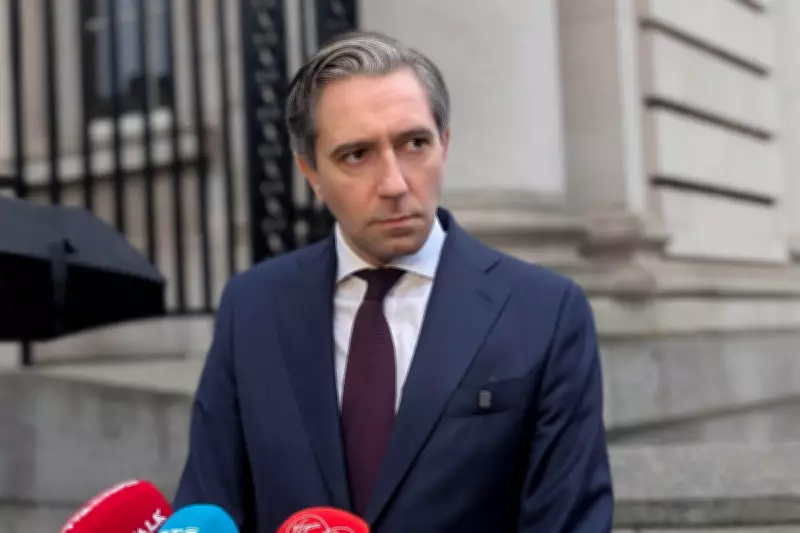
Tanaiste and Finance Minister Simon Harris delivered his forceful remarks during a meeting of EU finance ministers in Brussels on Tuesday. He emphasised the critical importance of maintaining economic sanctions against Russia, which were implemented following its 2022 invasion of Ukraine.
"The idea that Putin and Putin's Russia would in any way benefit financially from a moment of conflict and pain and trauma in the Gulf region would be utterly despicable," Harris stated unequivocally to assembled media.

Context of Putin's Reported Overture
Harris's comments come amid reports that Russian President Vladimir Putin has signalled his country's willingness to work with European customers during an energy crisis triggered by conflict in the Middle East. This potential shift occurs as the European Union has been systematically phasing out its reliance on Russian gas and oil since the Ukraine invasion began.
The Irish minister stressed that this situation underscores the "importance of de-escalating the conflict in the Gulf region" while simultaneously maintaining focus on Ukraine. He added that it demonstrates the necessity of "showing solidarity to our friends, to our European friends in Ukraine."
Energy Market Volatility and Strategic Review
Harris pointed to recent fluctuations in oil prices as evidence of the "volatility" of the current global energy landscape. The Irish Government continues to monitor developments closely, keeping its response strategies "under review" as circumstances evolve.
When questioned about specific actions the EU should take regarding energy costs, Harris acknowledged that Europe's energy market has achieved greater diversification since 2022. However, he expressed significant concern about ongoing dependencies.
"I think we still find ourselves far too reliant on other parts of the world when it comes to our energy," Harris observed, adding that "this needs to be a sharp reminder and wake-up call about the urgency of moving towards energy independence at a European level."
Broader Implications for European Policy
The Irish deputy premier's statements reinforce the EU's official position that economic sanctions against Russia remain a crucial instrument in efforts to end the war in Ukraine. His intervention comes at a sensitive moment when energy security concerns intersect with geopolitical pressures.
Harris emphasised the moral dimension of energy procurement decisions, framing continued sanctions not merely as economic policy but as a matter of principle. His remarks highlight the tension between immediate energy needs and longer-term strategic and ethical commitments that European nations must navigate.
The discussion around European energy independence has gained renewed urgency, with Harris's comments adding weight to calls for accelerated transition toward sustainable and domestically controlled energy sources across the continent.