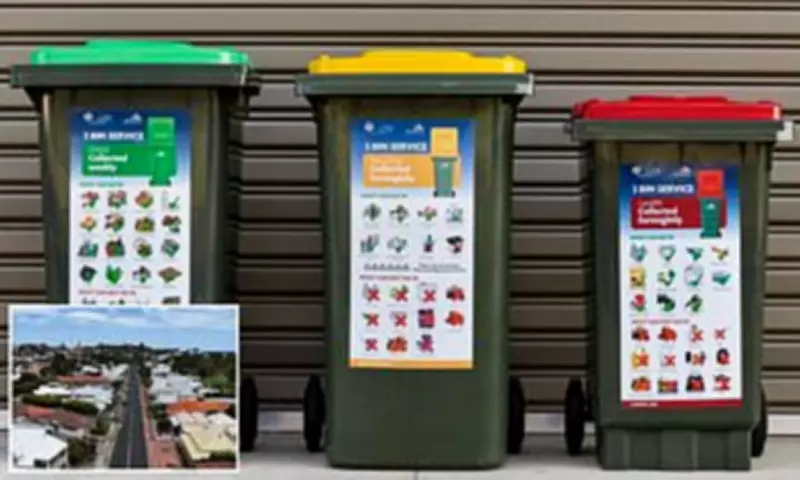
The City of Bunbury in Western Australia, once a national pioneer in waste management, is now contemplating the complete abandonment of its 'FOGO' bin system, with councillors labelling the initiative a significant failure. This potential reversal comes precisely ten years after the council became the first in Australia to introduce the three-bin setup, which includes separate containers for food organics and garden organics.
System Under Scrutiny
Councillors are actively considering a return to a basic two-bin system for general rubbish and recycling, eliminating the distinctive green-lidded FOGO bins entirely. The original three-bin strategy was implemented with strong environmental intentions, aiming to drastically reduce greenhouse gas emissions and minimise the volume of waste sent to landfill sites across the region.
Voices of Dissent
However, prominent figures within the council, including Councillor Karen Turner, have publicly declared the system non-functional. 'FOGO has failed … we shouldn't continue a failing strategy ... the right thing to do is stop,' Ms Turner stated emphatically in an interview with the ABC. Her comments underscore a growing frustration with the programme's practical outcomes.

The problems plaguing the FOGO system are multifaceted and have been escalating since early 2024:
- The collapse of local processing facilities for organic waste.
- Widespread resident anger over the simultaneous reduction in size of the general waste bins.
- Exponentially rising operational and logistical costs.
Financial and Logistical Strain
In response to the processing facility collapse, the council initially rejected the outright removal of the third bin. Instead, it explored the costly alternative of transporting the organic waste approximately 200 kilometres to Perth for processing. This stopgap measure has proven financially burdensome.
Bunbury Mayor Jaysen Miguel stressed the urgency of a final decision to curb these escalating expenses. 'Given some of the rising costs, we always need to be considerate of our budget,' he remarked, while also expressing pride in the city's early adoption of the system. He indicated a hope that the state government would continue supporting the three-bin model, provided budgetary oversight is maintained.
The financial impact is stark. Following the local processing collapse, tonnes of waste are being diverted to landfill each month. In a single month, February, the Western Australian government expended $4.5 million to cover the cost of moving this waste to Perth, which amounts to $95 per tonne.
Resident Experiences and Public Opinion
The debate extends beyond the council chamber, deeply affecting Bunbury households. Residents like Kim Amer from Rockingham detailed the practical difficulties to Yahoo. While adaptation to the FOGO bin itself was manageable, the reduction of the general waste red bin to a 140-litre capacity with fortnightly collections has caused significant stress.
'It has caused so much stress among families and literally everyone,' Ms Amer explained, noting that the insufficient capacity led to hygiene issues, including 'an absolute influx of blowflies, maggots and crows' around overflowing bins.
A Yahoo poll reflecting broader public sentiment found that only 32 percent of respondents liked their FOGO bins, while 19 percent admitted to not using them at all, highlighting a substantial implementation gap.
Expert Advocacy Persists
Despite the operational and political challenges, environmental experts remain steadfast in their support for the principle behind FOGO systems. They argue that diverting food and garden organics from landfill is critical. When organic matter decomposes in landfill without oxygen, it generates methane, a greenhouse gas far more potent than carbon dioxide.
Composting this waste through systems like FOGO prevents these harmful emissions and produces nutrient-rich material that supports healthier soil and sustainable agriculture. The core environmental argument for the system remains robust, even as its execution in Bunbury faces a potential terminal review.

The council's forthcoming decision will therefore weigh immediate financial and practical failures against long-term environmental goals, setting a potential precedent for waste management policy across Western Australia.