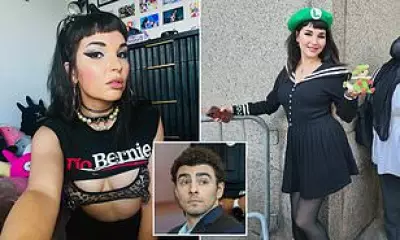
A political battle is intensifying in east London over the future of a contentious Low Traffic Neighbourhood (LTN) scheme, with an unexpected figure leading the charge to save it. Ted Maxwell, the nephew of convicted sex trafficker Ghislaine Maxwell, is campaigning to prevent Tower Hamlets Council from ripping out the traffic-calming measures.
Petition for Safer Streets and Political Ambitions
Ted Maxwell, 39, presented a formal petition to Tower Hamlets Council on November 20, urging the authority to abandon its plan to remove the LTN. The petition, entitled 'Safer School Journeys for Tower Hamlets Children', calls for an expansion of 'School Streets'—initiatives that ban vehicles from roads near schools at peak times. Maxwell, who is the grandson of the disgraced media tycoon Robert Maxwell, is running as an independent candidate for Bethnal Green West in next May's local elections, vowing to create safer streets.
He told the Daily Mail: "I have well-known relatives. They are who they are. I am who I am." He claims his focus is on improving community health and wellbeing, a message he says is resonating on the doorstep. Maxwell is a member of the campaign group Save Our Safer Streets (SoSS), which is locked in a legal fight with the council.

A Deeply Divisive Scheme and Legal Challenges
The LTNs were introduced on roads around Columbia Road flower market, Brick Lane, and Old Bethnal Green Road during the pandemic. However, Mayor Lutfur Rahman, of the Aspire Party which controls the council, announced their removal in September 2023. He labelled them "failed", arguing they displaced traffic onto roads used by less affluent residents and divided the community.
This decision defied a public consultation in which 57% of residents expressed a desire for the LTNs to remain. The campaign group SoSS, supported by Transport for London (TfL), took the council to the High Court, arguing the mayor's consultation was unfair. Although they initially lost, the group launched a 'last resort' appeal at the Court of Appeal on November 26, having raised over £100,000 through crowdfunding.
The controversy has been fierce. The council was once forced to send construction workers in the middle of the night to dismantle a protective structure for a School Street after being blocked by protesting pupils during the day.
The Stakes: Money, Health and Community Rifts
Campaigners, including Jane Harris of SoSS, argue that removing the LTNs would be a waste of £2.5 million in public money needed to redesign the roads. They insist the funds would be better spent rolling out more School Streets. Maxwell echoed this, stating the schemes are a "cheap and proven way of improving the health and wellbeing of children for the long term."
Conversely, Mayor Rahman contends the LTNs caused severe bus delays and harmed lower-paid workers, taxi drivers, and small businesses reliant on cars. A TfL spokesperson reiterated their support for LTNs, stating they "make our streets safer and encourage more active travel across London." The council declined to comment on the ongoing legal proceedings.
As the appeal proceeds, the fate of the LTNs hangs in the balance, symbolising a wider national debate about urban transport, air quality, and community consent.