MPs Reject Under-16s Social Media Ban as PM Pressures Tech Giants on Safety
MPs Reject Under-16s Social Media Ban, PM Demands Action

MPs Reject Under-16s Social Media Ban for Second Time

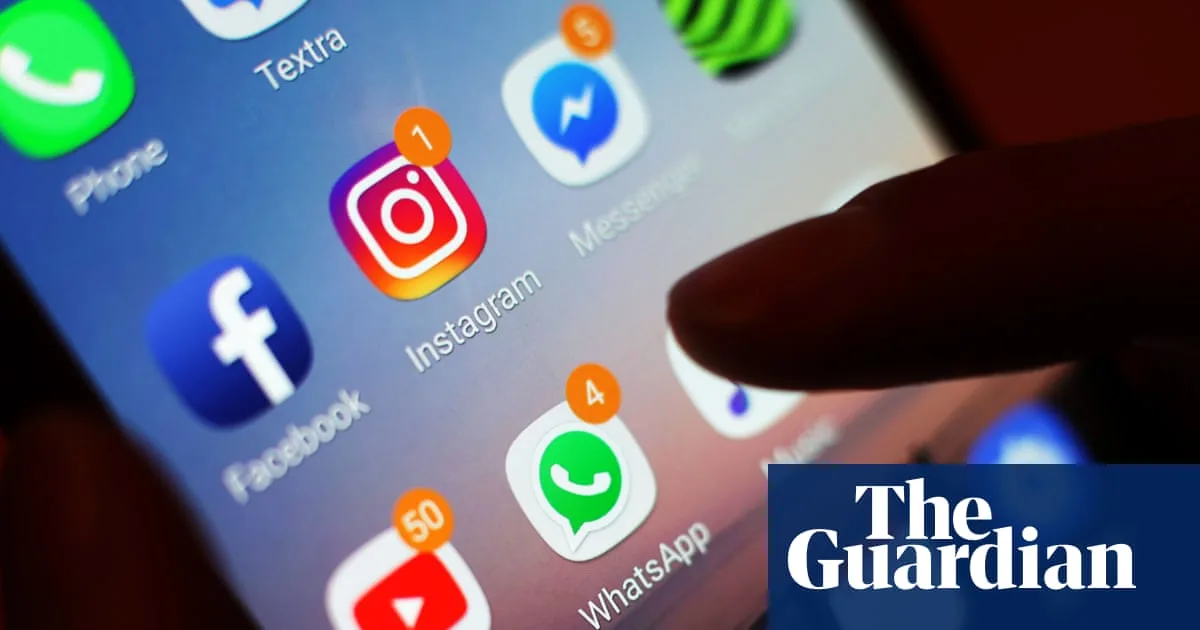
The House of Commons has voted against a proposal to ban under-16s from using social media platforms for the second time, as the prime minister summoned technology executives to demand tougher action on internet safety. The vote rejected a Lords amendment to the children's wellbeing and schools bill by 256 to 150, a majority of 106, siding with the government's plan to consult on potential restrictions.

Government Consultation Takes Precedence Over Immediate Ban

The rejected amendment, brought by Conservative peer Lord Nash, aimed to impose a default ban on social media for under-16s, giving ministers 12 months to decide which platforms should be barred. Instead, the government is proceeding with its own consultation, which closes next month, to consider raising the age limit from 13 to 16 and addressing addictive features like infinite scrolling.

Olivia Bailey, the government's early education minister, stated: "Instead of the narrow amendment proposed in the House of Lords, our consultation allows us to address a much wider range of services and features. It also allows us to consider the different views about the way to move forward, and that's why it's crucial that we do not pre-empt the government's consultation."

Wide Pickt banner — collaborative shopping lists app for Telegram, phone mockup with grocery list

Laura Trott, the Conservative shadow education secretary, responded: "I will keep fighting until the government offers a ban on social media on the face of the bill."

Prime Minister Pressures Tech Companies for Swift Action

Amid mounting pressure from parents and campaign groups, the prime minister is preparing to meet senior leaders from TikTok, X, YouTube, Snapchat, and Meta, which owns Instagram and Facebook, to demand faster progress on internet safety measures. Speaking before the scheduled meeting, the prime minister emphasized: "Parents rightly expect action and fast. That's why we've already taken the powers needed to move quickly once our consultation ends. I will take whatever steps necessary to keep children safe online. Today is about making sure social media companies step up and take responsibility."

Parental Advocacy and Campaigner Responses

Before the vote, bereaved parents and campaigners delivered a letter to Downing Street urging restrictions on social media access for under-16s, a ban on phones in schools, and prohibitions on addictive features like infinite scrolling and auto-play.

Esther Ghey, mother of murdered teenager Brianna Ghey, criticized the consultation as delaying action: "We know that social media is addictive, we know about the things young people are accessing online. We know that young people are losing their lives. We know that tech companies have billions of pounds, and while this consultation is running, they will be putting money into lobbying the government. I really hope they listen to other parents."

She added that Brianna's isolation was exacerbated by harmful online interactions, arguing that without social media, her daughter might have engaged more in real-world support groups.

Stuart Stephens, father of 13-year-old Olly Stephens, who was fatally stabbed in 2021, asserted: "We were very naive and we believed these companies had a duty of care. I don't think any child should be on social media under the age of 16 because their brains are not fully developed enough to deal with that."

Louise Gibson, who lost her 11-year-old son Noah in 2021 to what she believes was a social media challenge, expressed hope that the Lords' amendments might still be accepted. Ellen Roome, part of a group suing TikTok after children's deaths, noted: "My son Jools died four years ago this week, and I believe it was because of social media. It feels like we're gaining momentum and moving forward. We just need the government to catch up. We've given technology companies the chance to actually change, and they have chosen not to do enough. We now need the government to say 'enough', to take it away from them."

Pickt after-article banner — collaborative shopping lists app with family illustration

Charity Calls for Strengthened Regulation Over Bans

The Molly Rose Foundation, an internet safety charity, argued against a ban, advocating instead for stronger enforcement of the Online Safety Act. Andy Burrows, the charity's chief executive, said: "It's time to look beyond this false sense of safety and for the prime minister to decisively commit to strengthening regulation to make unsafe and addictive design a thing of the past."

This parliamentary decision marks a continuation of the legislative "ping-pong" process, with MPs previously rejecting the Nash amendment last month in favor of more flexible powers. The government's consultation now moves forward as the primary mechanism for addressing online harms affecting children.