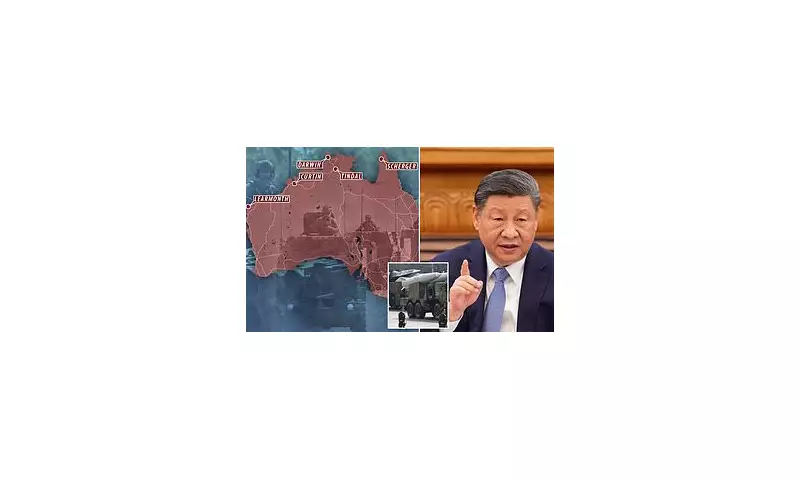
Startling revelations have emerged from declassified intelligence documents that outline China's comprehensive military strategy for a potential invasion of Australian territory. The detailed plans, described as both sophisticated and deeply concerning by security experts, suggest Beijing has been meticulously preparing for conflict scenarios in the Pacific region.
Military Blueprint Exposed
The uncovered documents reveal a multi-phase approach that military analysts describe as alarmingly thorough. According to the intelligence findings, Chinese strategists have mapped out everything from initial naval movements to long-term occupation plans, suggesting these aren't mere contingency exercises but detailed operational blueprints.
Regional Security Implications
Security experts across the globe are sounding alarms about what these revelations mean for Pacific stability. "The level of detail is unprecedented," noted one senior defence analyst. "We're not looking at theoretical exercises here, but what appears to be actionable military planning."

Australia's Defence Response
The Australian government has been quietly bolstering its defence capabilities in recent years, with these latest findings likely to accelerate military modernisation programs. Defence spending has seen significant increases, particularly in naval and air force capabilities designed to protect Australia's vast coastline and strategic interests.
International Reactions
Allied nations have expressed growing concern about China's expanding military ambitions. The United States, United Kingdom, and other regional partners are closely monitoring the situation, with several already increasing their military cooperation and presence in the Indo-Pacific region.
Economic and Diplomatic Fallout
These revelations come at a delicate time for Australia-China relations, which have seen both tension and attempts at reconciliation in recent years. The documents raise serious questions about how nations balance economic partnerships with security concerns in an increasingly complex geopolitical landscape.
As defence officials and political leaders digest these findings, the international community watches closely, aware that these developments could reshape security arrangements across the entire Pacific region for decades to come.