Former Army Chief Warns Legal Battles Are Undermining British Troops' Morale
Ex-Army Chief: Legal Battles Are Failing Our Troops

Former Army Chief Warns Legal Battles Are Undermining British Troops' Morale

Britain's armed forces are confronting a mounting threat that extends far beyond foreign adversaries. According to former chief of the general staff General Sir Peter Wall, a surge in courtroom battles involving former soldiers years after their service is jeopardising the army's trust, morale, and overall effectiveness. This internal challenge comes at a time when the UK's military capability is already diminished, offering inadequate defence against emerging threats like ballistic missiles.

The Rise of Lawfare Against Military Personnel

While the UK may lag in conventional warfare readiness, it excels in what is termed 'lawfare' – the politically motivated use of legal processes against military personnel. The Human Rights Act (HRA), derived from the European Convention on Human Rights, has become the primary tool for challenging past military actions over the last two decades. This trend was notoriously exploited by figures like Phil Shiner, who fabricated evidence against British soldiers in Iraq and Afghanistan, leading to his conviction and disbarment.

The HRA is being applied retrospectively to events that occurred up to a decade before its enactment, particularly concerning the Northern Ireland campaign. This has resulted in the large-scale reopening of inquiries into military incidents that were previously resolved, where soldiers were found compliant with the rules of engagement at the time. Aged veterans are now being dragged through courts as part of efforts to reinterpret the history of the Troubles, often without new evidence, driven by vexatious claims catalysed by the retrospective application of Article 2 – the absolute right to life.

Wide Pickt banner — collaborative shopping lists app for Telegram, phone mockup with grocery list

Northern Ireland Legacy Act and Ongoing Controversies

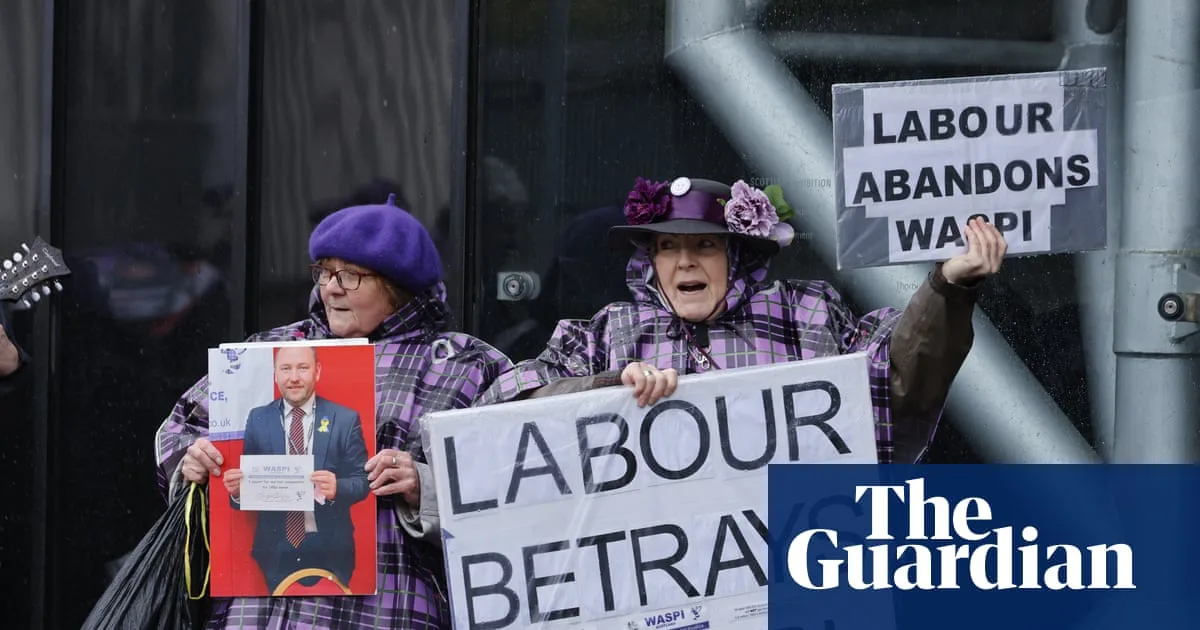
It is crucial to clarify that no one advocates immunity for soldiers where genuine evidence of wrongdoing exists. The 2023 Northern Ireland Legacy Act aimed to halt legal actions against soldiers, terrorists, and victims alike, reinforcing the closure established by the Good Friday Agreement. However, the current government has introduced the NI Troubles Bill, arguing that the conditional immunity provided by the Legacy Act conflicts with the HRA. As the bill enters committee stage in the Commons, its current form threatens to remove protections from the 2023 Act, regardless of whether new evidence emerges.

This legislation disproportionately targets military veterans, as the likelihood of legal action against terrorists is minimal due to a lack of records. Recent amendments propose that no legal action should proceed without new, independently certified evidence, aiming to prevent renewed vexatious claims against veterans. Adopting these amendments is essential to avoid betraying those who risked their lives to confront the IRA and curb terrorism.

Expanding Legal Vulnerabilities Beyond Northern Ireland

The legal challenges extend far beyond Northern Ireland. The 2011 Al-Skeini case in Iraq marked a pivotal expansion of the European Convention's application from a state's own territory to extraterritorial use. The European Court of Human Rights ruled that British forces in Basra had authority over the local population, making the convention applicable when civilians were killed. This decision has broadened the HRA's reach, leaving soldiers on any operation vulnerable to retrospective application over the Laws of Armed Conflict, leading to an exponential increase in cases.

This situation highlights a deeper, unresolved tension between the Law of Armed Conflict – designed for battlefield conditions – and peacetime human rights law, especially Article 2 obligations. The government's failure to reconcile these frameworks is generating significant legal and operational friction. Soldiers are expected to act in the nation's security interest abroad, only to face prosecution under a different legal code upon their return.

Pickt after-article banner — collaborative shopping lists app with family illustration

Impact on Today's Soldiers and National Security

Current soldiers are observing these developments closely. When enlisting, they do not seek legal advice on the implications of following orders, trusting that the chain of command will support them. This trust is now in question, as soldiers lacking confidence in their command become vulnerable on the battlefield. At a time when the nation requires a mindset shift to confront heightened threats, internal opposition is unnerving. Soldiers face the prospect of fighting enemies with the constant shadow of legal repercussions looming behind them.

A wholesale reset is urgently needed to prioritise the national interest over the government's focus on international human rights law. Amending the NI Troubles Bill to protect veterans and clearly distinguish them from terrorists in its language and provisions is a critical first step. This would reassure today's soldiers that the government will support them in later life, regardless of future legal changes. Immediate action is imperative, as lawfare has evolved into a pressing national security issue.

General Sir Peter Wall served as chief of the general staff from 2010 to 2014.