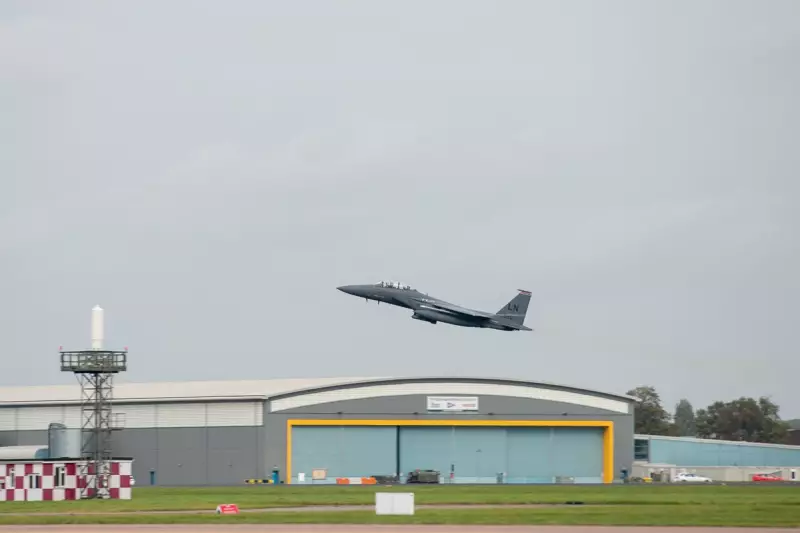
In a dramatic display of aerial defence, RAF Typhoon fighter jets were scrambled from RAF Coningsby to intercept two Russian long-range bombers approaching UK airspace near the Suffolk coast.
The urgent response saw the advanced fighter jets launch to monitor the Russian aircraft, identified as Tupolev Tu-160 Blackjack bombers, which were operating in international airspace but heading toward the UK's Area of Interest.
The Aerial Interception
Defence sources confirmed that the Russian bombers were tracked by the UK's sophisticated air defence systems as they approached from the North Sea. The Typhoon jets, armed and ready, were directed to intercept the potential threat in a carefully coordinated operation.

This incident marks another chapter in the ongoing cat-and-mouse game between NATO forces and Russian military aircraft, which has become increasingly frequent in recent years.
Royal Navy Support Deployed
Adding to the multi-layered response, the Royal Navy confirmed that HMS Somerset, a Type 23 frigate, was operating in the area and monitoring the situation. The warship's advanced radar systems provided additional tracking capability during the tense standoff.
A Ministry of Defence spokesperson stated: "Quick Reaction Alert Typhoon aircraft from RAF Coningsby were scrambled to intercept two Russian Blackjack long-range bombers. The Russian aircraft were monitored by the Typhoons and a Royal Navy warship as they transited through the UK's Area of Interest."
Growing Tensions in UK Airspace
This interception comes amid heightened tensions between NATO countries and Russia, with UK air defences remaining on high alert. The incident follows similar interceptions in recent months, highlighting the continued strategic importance of the UK's Quick Reaction Alert capability.
Local residents in coastal areas reported seeing the military aircraft, though many were unaware of the potentially serious nature of the operation unfolding above them.
The Russian bombers eventually turned away from UK airspace after being shadowed by the RAF Typhoons, concluding the latest in a series of similar incidents that test the readiness and response capabilities of Britain's armed forces.