Trump's Iran Strikes Expose Pentagon to China's Critical Mineral Dominance
Trump's Iran Strikes Expose Pentagon to China's Mineral Dominance

Trump's Iran Strikes Expose Pentagon to China's Critical Mineral Dominance

The recent launch of Operation Epic Fury by the United States against Iran, under the direction of former President Donald Trump, has sparked significant geopolitical repercussions. This military manoeuvre, while showcasing American force in the Middle East, inadvertently creates a strategic vulnerability for the Pentagon, particularly in relation to China's dominance over critical minerals essential for modern defence systems.

China's Strategic Advantage in Critical Minerals

As the US and Israel escalate conflicts in the Middle East, China stands to gain from a Washington establishment increasingly distracted and resource-strained. Officially, China has condemned the attacks, with Foreign Minister Wang Yi labelling them "unacceptable" and calling for a ceasefire, echoing typical Beijing rhetoric in response to Trump's unpredictable foreign policy actions. However, beyond diplomatic posturing, Trump's decision to engage in a widening regional conflict with Iran provides China with an opportunity to leverage its critical mineral dominance, especially in defence sectors, while pushing Taiwan further down the US priority list.

The strikes on Iran do pose some risks to China, particularly regarding oil supplies. China purchases approximately 80% of Iran's shipped oil, accounting for around 13% of its seaborne imports, though much of this is disguised as originating from Indonesia or Malaysia to evade US sanctions. Losing access to cheap Iranian oil would be a manageable blow, but it compounds recent disruptions, such as the US effectively taking control of Venezuela's oil industry. According to analysis, over a fifth of China's oil imports in 2025 came from sanctioned sources like Venezuela, Iran, and Russia, with two of these supply chains now endangered. Rising oil prices, potentially exceeding $100 per barrel, could strain China's economy, especially amid surging energy demands from AI datacentre rollouts.

Weapons Stockpiles and Gallium Dependence

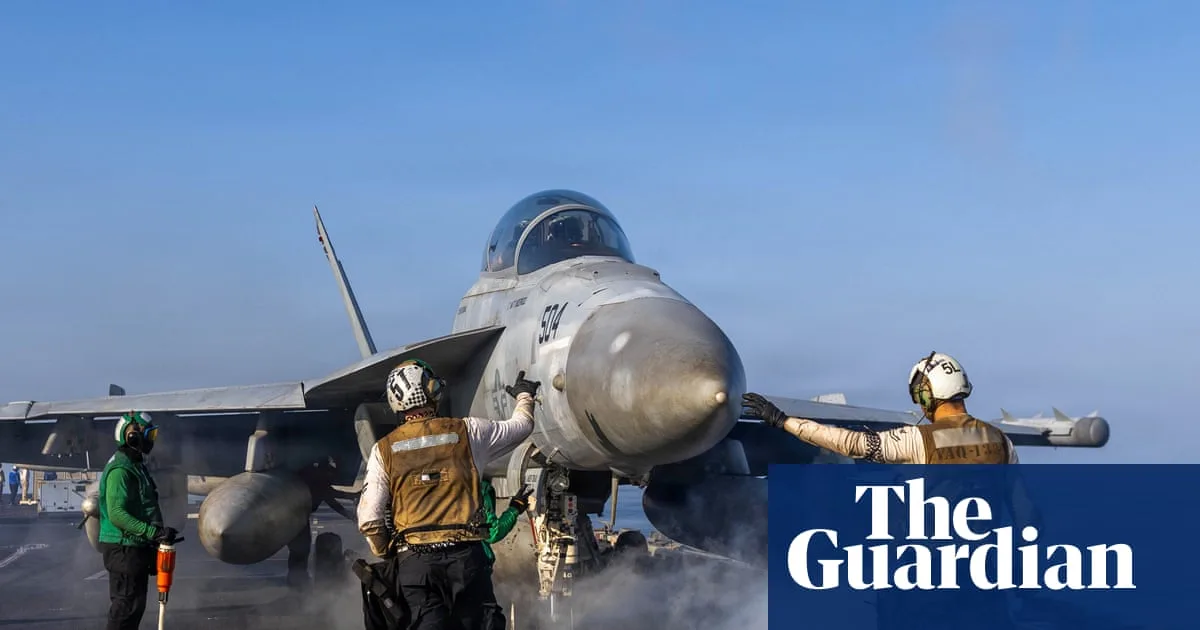
A critical aspect of this situation is the depletion of American weapons stockpiles due to the new offensive in Iran. Last year, the Pentagon halted weapons shipments to Ukraine over concerns about dwindling reserves, and reports indicate it has only 25% of the Patriot missile systems needed for its military plans. Operation Epic Fury has deployed advanced weaponry, including Patriot and Thaad missile defence systems, F-35 fighter jets, and other high-tech equipment, all reliant on semiconductors and radars made with gallium.

China controls the supply chain for gallium, a critical mineral, and previously cut off exports during trade tensions, nearly crippling global industrial supply chains. Analysts suggest that Trump's decision to open a new military front while the US remains dependent on China for this crucial defence commodity strengthens Beijing's position ahead of potential Trump-Xi meetings. Joseph Webster of the Atlantic Council notes that Beijing will be pleased to see the US expending scarce munitions in a secondary theatre, reducing resources for a Taiwan contingency and giving China leverage through its critical minerals dominance.

Matthew P Funaiole from the Center for Strategic and International Studies points out that gallium is primarily used in sensors rather than expendable components, meaning the sustained vulnerability lies in manufacturing, upgrading, and repairing gallium-enabled systems. US efforts to develop non-China supply chains for critical minerals like gallium are still nascent and unlikely to alter supply dynamics soon.

Broader Implications and Risks

Despite potential benefits, China faces risks from the unrest. The elimination of Iranian leadership, a strategic partner, could diminish China's appeal to global south countries, especially after Iran joined China-led organisations like the Shanghai Co-operation Organisation and Brics. Additionally, China's brokered detente between Iran and Saudi Arabia may lose significance if Saudi Arabia supported US strikes.

Nevertheless, a US foreign policy establishment preoccupied with another unpredictable conflict far from China's neighbourhood is likely to yield more gains than losses for Beijing. China has bolstered its strategic buffers, such as building up oil stockpiles, to weather supply shocks. While the $400 billion China-Iran strategic partnership agreement from 2021 could be at risk if Tehran's leadership changes, only a tiny fraction has been delivered, minimising immediate impact.

In summary, Trump's show of force in the Middle East not only diverts US attention from Asia but also exposes the Pentagon to China's critical mineral dominance, highlighting a complex interplay of military, economic, and diplomatic factors in global geopolitics.