The prospect of Western military intervention in Iran has opened a sharp divide within the UK government, as former US President Donald Trump reportedly considers ordering action to support anti-regime protesters.
Cabinet at Odds Over Intervention
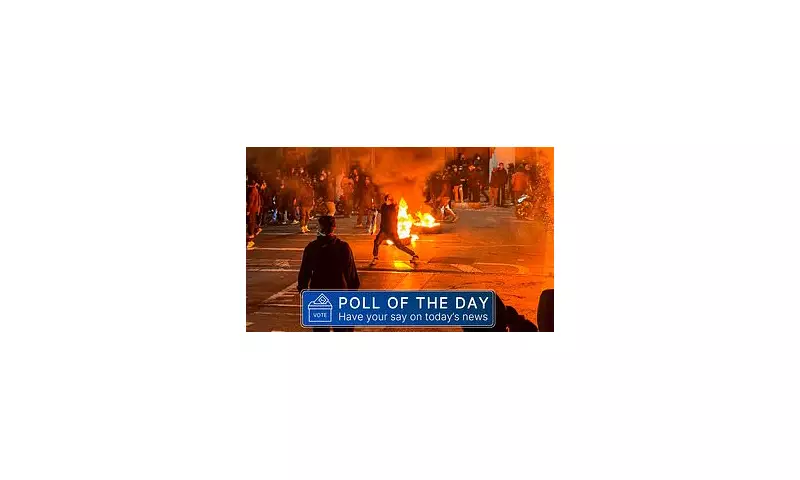
While mass demonstrations continue across Iran despite a violent crackdown by security forces, senior British figures have offered starkly contrasting views. Transport Secretary Heidi Alexander distanced the Labour Party from any call for direct Western involvement, stating the opposition desired a ‘peaceful transition’ of power.
In direct opposition, Conservative leader Kemi Badenoch has voiced support for potential military intervention. She argued the United States was right to consider the use of military force, praising the ‘extraordinary’ protests that have erupted over the past two weeks.

Badenoch Backs RAF Strikes in Coalition
Ms Badenoch indicated she would support Royal Air Force strikes against Iranian regime targets, but only as part of a ‘broad coalition’ of countries led by the United States. This stance places her at odds with other ministers who have backed away from the idea of direct Western involvement.
The anti-government protests were initially triggered by public anger over rampant inflation, but swiftly escalated into widespread calls for the departure of the country's Supreme Leader, Ayatollah Ali Khamenei.
Iran Issues Stark Warning to the West
The Iranian regime has responded to the speculation with a stark warning, threatening severe reprisals against any form of Western intervention in its internal affairs. This has heightened tensions and raised the stakes for any potential international response.
The debate comes as the Daily Mail's latest poll asks readers: ‘Do you think the UK should get involved?’ This follows a previous poll on the two-child benefit cap, where more than 28,000 votes were cast. In that survey, a decisive 90 per cent of respondents said the cap should only be lifted for families with UK-born parents working full-time, with just 10 per cent opposed.