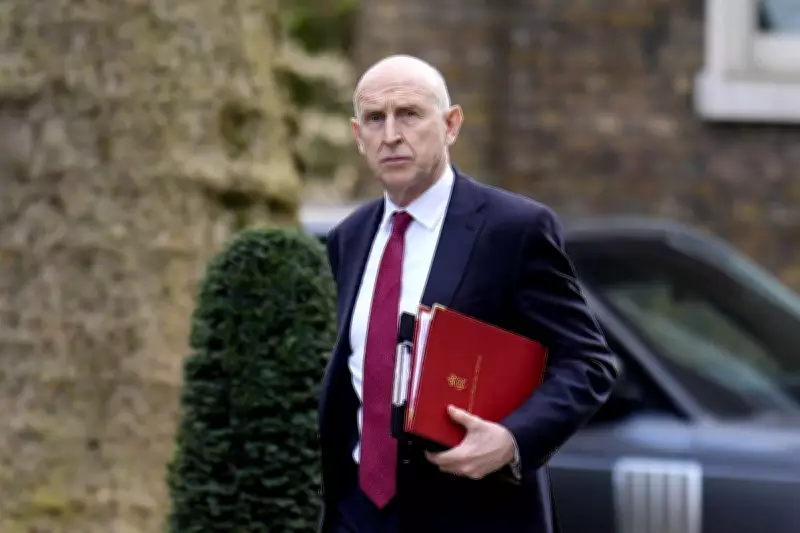
Defence Secretary John Healey has arrived in Cyprus amid escalating tensions over Britain's response to drone attacks on the island, which have been triggered by the ongoing conflict between the United States and Iran. His visit comes at a critical juncture, as the UK faces mounting criticism for failing to deploy adequate military assets to the Middle East region following a direct strike on RAF Akrotiri in Cyprus.
Criticism Over UK Military Presence
Cyprus's high commissioner to the UK, Kyriacos Kouros, has publicly stated that a British military presence to defend the island is "the least we expect", highlighting dissatisfaction with the UK's approach to managing the conflict. This criticism stems from an incident overnight on Monday, when a hangar at RAF Akrotiri was hit by an Iranian-made Shahed drone, launched from Beirut in Lebanon, according to Cypriot officials.
In response, British warplanes from Akrotiri successfully shot down two additional drones detected on the same day. However, the deployment of key assets has been slower than expected. Britain has dispatched the air defence destroyer HMS Dragon to assist in protecting Cyprus, but the Type 45 warship is not anticipated to sail until next week. Meanwhile, Wildcat helicopters equipped with anti-drone capabilities have been sent to the island and are expected to arrive sooner.

International and Domestic Reactions
High Commissioner Kouros welcomed the deployment of HMS Dragon but noted it would take "more than a week" to arrive. When questioned about the UK's urgency in protecting residents near the bases, he pointed to the swift actions of other allies: "Already we have the presence of Greek forces on the island. Two frigates arrived, four aircraft arrived, all of them with abilities to combat drones. The French are coming. So... the least we expect is the Britons to also be present since, as I said, we are not only defending Cypriots on the island."
On the domestic front, Home Office minister Alex Norris defended the government's actions, insisting that the situation is being taken "exceptionally seriously". He told BBC Breakfast: "This is a very significant situation, one that has profound implications for our nation. Here, we've moved quickly. We will continue to work with our partners in the region in our collective self-defence."
Logistical Challenges and Political Pressure
Elsewhere, logistical issues have emerged, as the first repatriation flight from Oman to Britain, scheduled to depart overnight, remained grounded due to problems with "getting passengers on board". Minister Norris confirmed the government-chartered plane would leave on Thursday but could not specify an exact time.
Adding to the political pressure, Conservative leader Kemi Badenoch warned that Britain "will be in a lot of trouble" if it does not join bombing raids on Iran following attacks on UK bases in Bahrain and Cyprus. She argued that the RAF must take offensive action to destroy Iranian missile sites to prevent further assaults, cautioning that regional allies "think that we're abandoning them".
Mrs Badenoch elaborated on BBC Radio 4's Today programme: "Once our bases had been attacked, I think we became part of this, whether we liked it or not. I don't want to see an escalation. But I think it is very important that where we have put bases in other people's countries and they are being attacked, we do what we can to stop those attacks from taking place."
This complex scenario underscores the delicate balance the UK must strike in responding to immediate threats while managing international relations and domestic expectations in a volatile region.