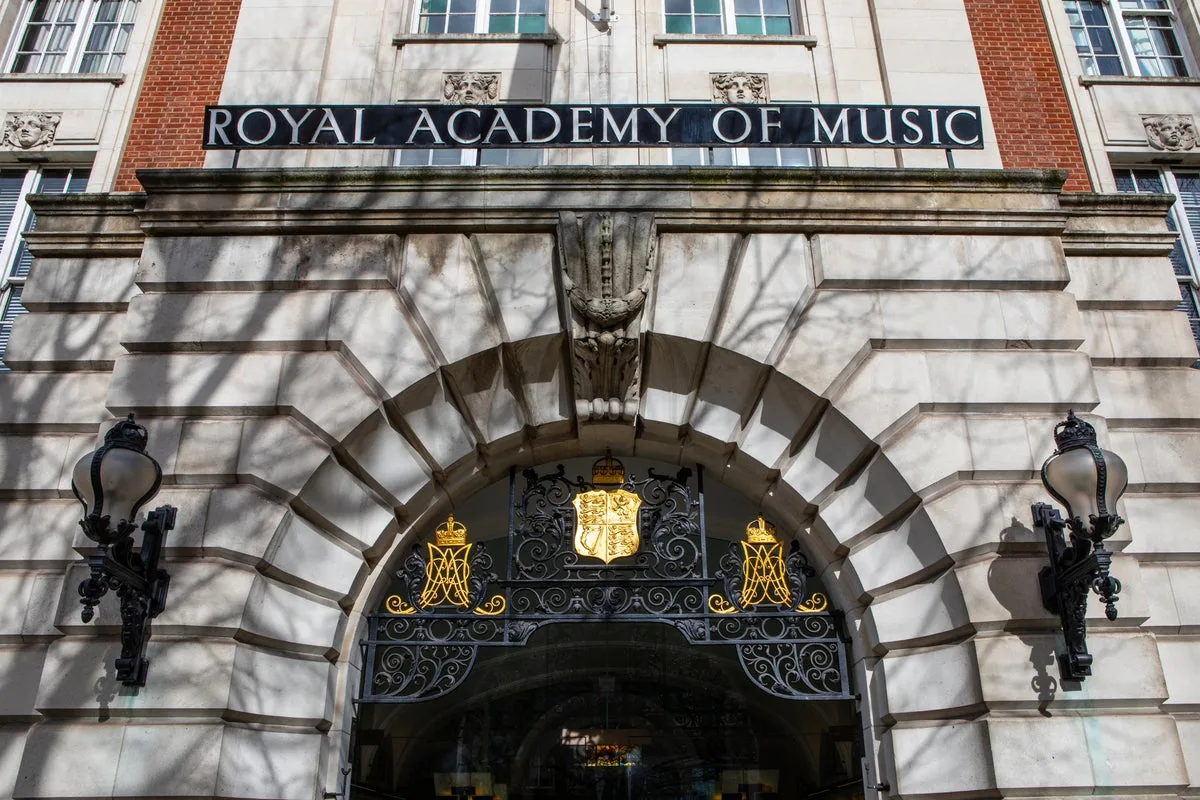
The Royal Academy of Music (RAM) has launched a new funding scheme exclusively for state-educated students, sparking criticism from private school leaders. The programme, a foundation year course, aims to widen access to world-class music education for disadvantaged young musicians.
RAM stated the initiative will provide a targeted pathway for talented musicians aged 18 to 20 who have faced financial or other barriers, with at least 50% of places reserved for students outside London. Privately educated candidates, including those who attended independent schools on bursaries, will not be considered.
Philip Britton, chair of the Heads’ Conference representing independent schools, criticised the move, telling The Times: “There are plenty of less well-off people in independent schools and plenty of privileged people in state schools. It is time to cut across this idea independent school pupils can be discriminated against as a group.”

However, the scheme has been praised by education charity The Access Project. CEO Anna Searle said: “We welcome this initiative to widen access for those from under-resourced backgrounds. Such approaches open up opportunities for equality of access to education.”
RAM principal Jonathan Freeman-Attwood explained the programme, starting in July, is designed to help “those who desperately need and deserve it”. He added: “A focused foundation year gives us the chance to identify talented young musicians for whom a shortage of access to teaching has left them on the cusp of pre-professional programmes.”