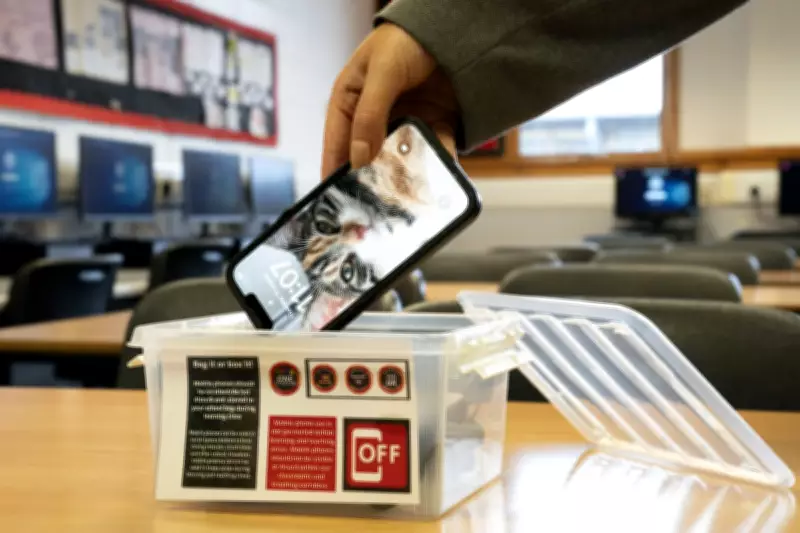
SNP Leader John Swinney Commits to National Smartphone Ban in Scottish Classrooms
First Minister and SNP leader John Swinney has made a firm pledge to introduce a national ban on smartphones in classrooms across Scotland if his party secures victory in the upcoming Holyrood election this May. This legislative move aims to address concerns over digital distractions in educational settings.
Legislative Action to Follow Election Success
Mr Swinney emphasized that smartphones are "a distraction from learning" and confirmed that the SNP will pursue legislation post-election to enforce a comprehensive ban. Currently, head teachers in Scotland hold the authority to implement such bans within their schools, with several local councils already taking action. However, the SNP seeks to standardize this approach nationwide.
In a statement to the Daily Record newspaper, Swinney articulated his party's stance: "We have already taken action to empower headteachers to act but if re-elected we will legislate to deliver a full ban across Scotland. The SNP is on the side of schools and we will take every step necessary to ensure teaching in our classrooms is done without distraction."

Support for Educational Progress
The First Minister highlighted the positive impact of such a ban, noting that Scotland has achieved record levels of literacy and numeracy in schools. He believes that removing smartphones from classrooms will further support pupils and teachers in building on this progress, fostering a more focused learning environment.
Cross-Party Endorsement
Scottish Liberal Democrat education spokesman Willie Rennie welcomed the SNP's support for a nationwide ban, remarking, "I'm glad to see the SNP backing a Scottish Liberal Democrat policy yet again. We have long argued for a full ban on smartphones in classrooms, but John Swinney has never come on board until now." This endorsement underscores a rare moment of political alignment on education policy.
The proposed ban reflects growing concerns over the role of technology in education and its potential to hinder academic performance. As the election approaches, this issue is likely to feature prominently in debates, with voters weighing the benefits of reduced distractions against personal freedoms.