Teachers Poised for Strike Action After Rejecting 6.5% Pay Rise Proposal
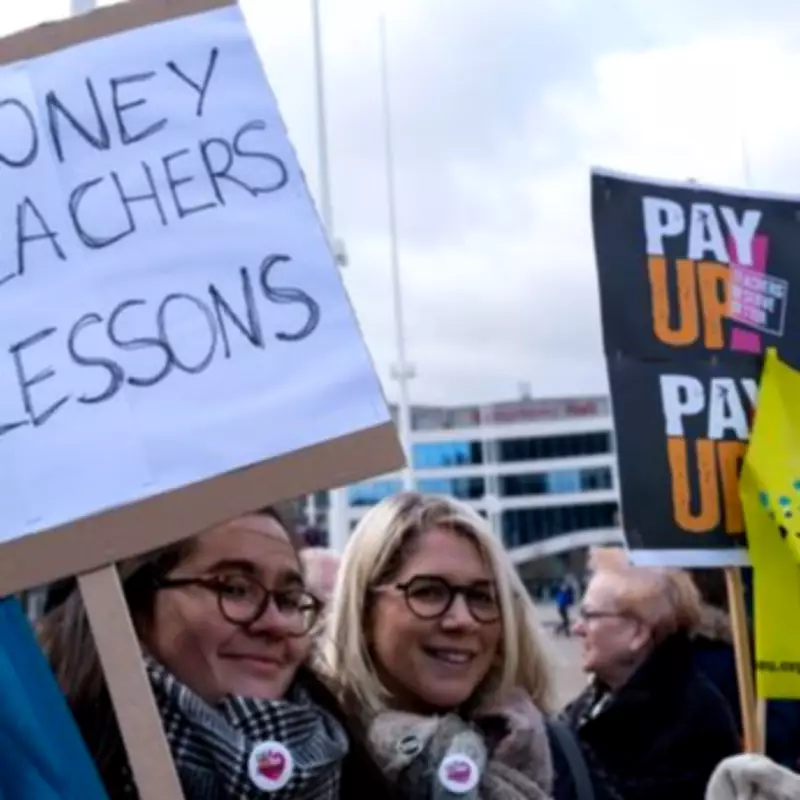
Members of the UK's largest teaching union, the National Education Union (NEU), have expressed a strong willingness to take industrial action in response to a government-recommended 6.5% pay increase over three years and ongoing school funding cuts. An indicative ballot revealed that more than nine in ten (90.5%) teacher members who participated are prepared to strike, highlighting deep-seated frustrations over pay, workload, and resource shortages.
Overwhelming Rejection of Pay Offer
Nearly all teachers (96%) who responded to the ballot rejected the Department for Education's proposal for a 6.5% pay rise, which they argue fails to address inflation and years of real-terms funding reductions. The NEU launched the ballot on February 28, focusing on teacher pay, workload, and school funding. Despite the high support for action, voter turnout among eligible teacher members was lower, at 48.6%, indicating potential challenges in mobilising a full strike.
Union Leaders Decry School Funding Crisis
NEU General Secretary Daniel Kebede condemned the government's approach, stating, "This government seems intent on attacking our schools. That is why our members have indicated they are willing to take whatever action is necessary to save education." He emphasised that schools are "running on empty" after more than 15 years of funding cuts, leading to dwindling resources, increased workload intensity, and severe staff retention issues.

Kebede warned that without new funding for staff pay, schools will face further cuts to support staff jobs, subject choices, and basic resources, ultimately damaging children's education. He also noted that many teachers feel their hope in the Labour Party is "slipping away," and the NEU is prepared to deliver national strike action if needed to secure adequate funding.
Support Staff Also Consider Industrial Action
In a parallel indicative ballot, support staff members of the NEU showed significant support for industrial action, with over eight in ten (86.5%) voting in favour from a turnout of 55.5%. Their concerns centre on funding, workload, and redundancies, reflecting broader issues within the education sector. The NEU's national executive will meet next month to decide on next steps, potentially escalating to formal strike ballots.
Historical Context and Broader Union Movements
This potential strike action follows recent pay increases, including a 4% rise for the 2025/26 academic year, a 5.5% rise in 2024/25, and a 6.5% rise in 2023/24 after previous NEU strikes. At the NEU's annual conference, Kebede reiterated the union's commitment to fighting for better conditions. Additionally, delegates at the NASUWT teachers' union conference voted for a motion calling for a national strike ballot if the government fails to provide more funding for schools and special educational needs and disabilities (Send) and reduce teacher workload.
The situation underscores a growing crisis in UK education, with teachers and support staff united in demanding substantial improvements to pay and funding to prevent further deterioration of the school system.