Afghanistan's Foreign Ministry has declared that peace talks held in China between Afghanistan and Pakistan to end cross-border fighting have been constructive. The discussions, which began last week in the western Chinese city of Urumqi, aim to halt a conflict that started in February, resulting in hundreds of deaths and significant displacement.
Background of the Conflict
The fighting between the two neighboring countries escalated after Afghanistan launched cross-border attacks in response to Pakistani airstrikes inside Afghanistan. Pakistan declared it was in "open war" with Afghanistan and has conducted airstrikes, including in the capital Kabul. On March 17, a Pakistani airstrike hit a drug-treatment center in Kabul, killing over 400 people according to Afghan officials, though Pakistan denied targeting civilians.
Humanitarian Impact
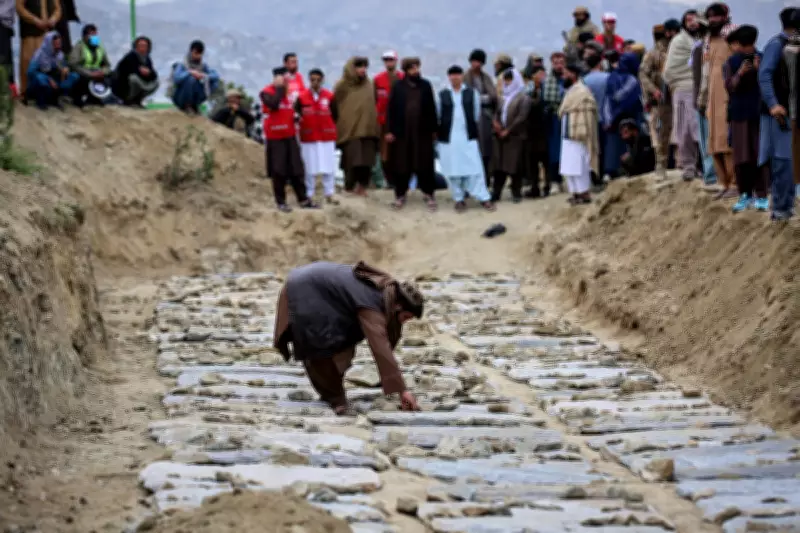
The United Nations' office for the coordination of humanitarian affairs in Afghanistan reported that the conflict has displaced 94,000 people overall. Additionally, 100,000 people in two Afghan districts near the border have been completely cut off by the fighting since February. This situation has alarmed the international community, especially given the presence of militant organizations like al-Qaida and the Islamic State group in the region.

Peace Talks and Mediation Efforts
China invited both nations to the talks in Urumqi in an effort to stop the conflict. Foreign Ministry deputy spokesman Zia Ahmad Takal stated on X that Afghanistan's Foreign Minister Amir Khan Muttaqi met with China's ambassador to Afghanistan, thanking Beijing for hosting the talks and acknowledging mediation efforts by Saudi Arabia, Turkey, Qatar, and the United Arab Emirates.
Takal noted that constructive discussions have taken place so far, with Muttaqi expressing hope that minor interpretations would not hinder the progress of the negotiations. However, there have been few official statements since the talks began on April 1 between mid-level delegations.
Ongoing Tensions and Accusations
Even during the talks, Afghanistan accused Pakistan of carrying out shelling across its border on several occasions, killing and wounding civilians. Pakistan has not commented on these allegations. Pakistan often accuses Afghanistan of providing a safe haven to militants, particularly the Pakistani Taliban (Tehrik-e-Taliban Pakistan or TTP), who carry out deadly attacks inside Pakistan. Kabul denies this charge.
The TTP is separate from but allied with the Afghan Taliban, which took over Afghanistan in 2021 following the withdrawal of U.S.-led troops. The recent fighting disrupted a ceasefire brokered by Qatar in October, after earlier clashes had killed dozens of soldiers, civilians, and suspected militants.
Pakistan's Military Stance
On Tuesday, Pakistan's military commanders vowed to continue counterterrorism operations until "militant safe havens" are eliminated and "the use of Afghan territory against Pakistan" ends. This statement came during a meeting chaired by Army Chief Field Marshal Asim Munir, which reviewed the internal and external security environment.
The military emphasized that "terrorist proxies" operating on behalf of "external sponsors," along with their facilitators, would be pursued and eliminated "relentlessly and without exception." This underscores the deep-seated tensions that the peace talks aim to address.
As the negotiations continue, the international community watches closely, hoping for a resolution to a conflict that has caused widespread suffering and instability in the region.