Air Force One was compelled to abort its scheduled flight and return to the Washington area following the detection of a minor electrical issue, as confirmed by White House officials. The iconic presidential aircraft was en route to transport former President Donald Trump to the prestigious World Economic Forum in Davos, Switzerland, when the technical problem emerged shortly after take-off.
Flight Path and Immediate Response
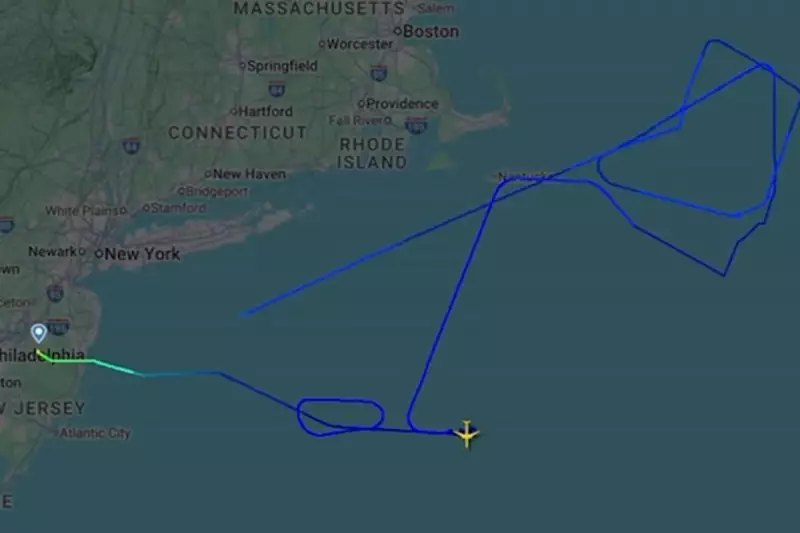
Data from the flight tracking service FlightRadar24 illustrated the aircraft's unscheduled turnaround, showing it heading back to Joint Base Andrews after departing from the Washington region. This unexpected development prompted a swift logistical adjustment to ensure the continuation of Trump's diplomatic mission.
Alternative Transport Arranged
In response to the incident, Donald Trump subsequently boarded a different aircraft, specifically an Air Force C-32, to resume his journey to Switzerland. This change in transportation was necessary to mitigate delays and maintain his engagement schedule at the international forum.

Impact on Diplomatic Engagements
The unforeseen return to Washington was anticipated to postpone Trump's arrival in Davos, potentially affecting his participation in critical discussions. Among the key topics on the agenda were talks concerning Greenland's future, involving dialogues with various European leaders. The delay underscored the logistical challenges inherent in high-profile international travel, even for former heads of state.
While the electrical issue was described as minor and posed no immediate safety threat, it highlights the rigorous maintenance and operational protocols followed for presidential aircraft. Such incidents, though rare, can have ripple effects on diplomatic timetables and highlight the importance of contingency planning in global politics.