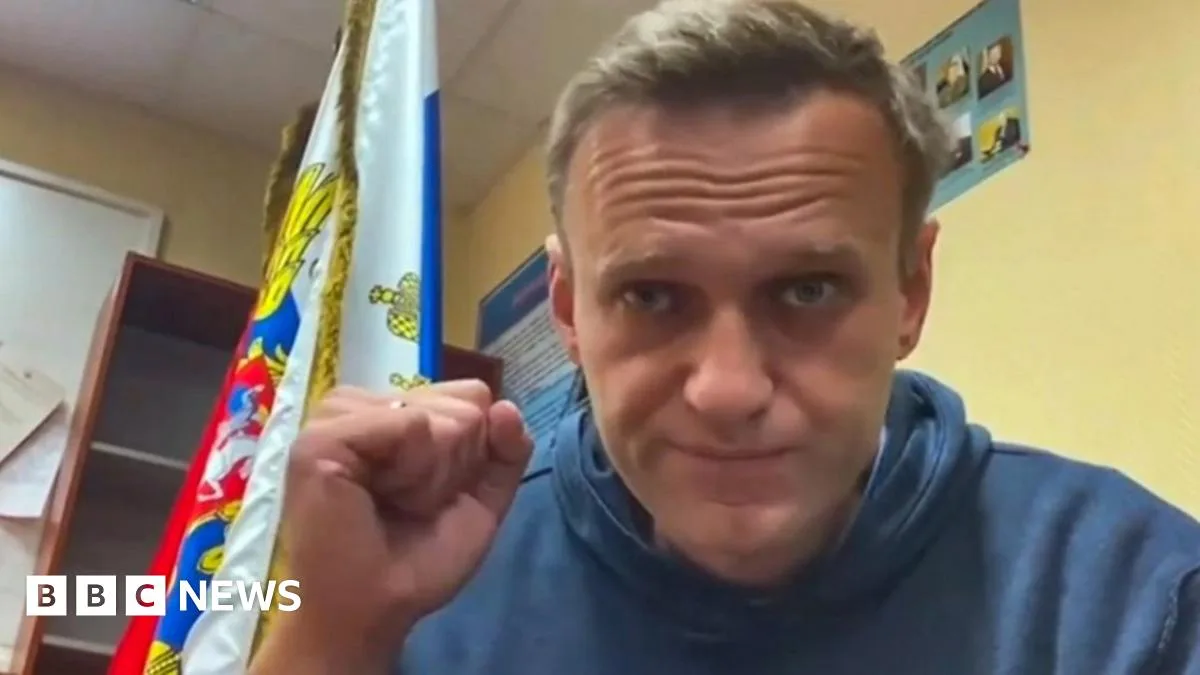
Alexei Navalny, Russia's most prominent opposition figure and anti-corruption campaigner, died in February 2024 at the age of 47. The prison service reported that he lost consciousness and died while on a walk. The Kremlin acknowledged his death and informed President Vladimir Putin, sparking global shock and tributes to a man who many said gave his life opposing Russia's leader.
Born in 1976 near Moscow, Navalny grew up in Obninsk and graduated in law in 1998. He rose to prominence in the late 2000s as a grassroots anti-corruption blogger, targeting state-controlled corporations. By becoming a minority shareholder in major companies, he exposed alleged financial malpractice and corruption, famously branding Putin's party as 'crooks and thieves'.
In 2011, Navalny led large street protests against Putin. He was subsequently barred from standing in the 2017 general election, despite being seen as the only candidate capable of challenging the president. His Anti-Corruption Foundation (FBK) was banned as 'extremist', and he faced repeated jail terms.

Navalny survived several suspected poisoning attempts. In 2017, he suffered chemical burns to an eye from antiseptic green dye. In 2019, he was hospitalised with a swollen face and rashes while in prison, which he and his doctor questioned as an allergic reaction. The most serious incident occurred in August 2020, when he collapsed on a flight over Siberia and was treated in Germany. German military tests found 'unequivocal proof' of Novichok nerve agent poisoning. The Kremlin denied involvement and imposed retaliatory sanctions after the EU sanctioned Russian officials.
After recovering, Navalny returned to Moscow on 17 January 2021, knowing he would be detained. He was never free again, despite mass protests by his supporters. His voice remained powerful from behind bars until his death, which silenced Russia's most outspoken critic of Putin.