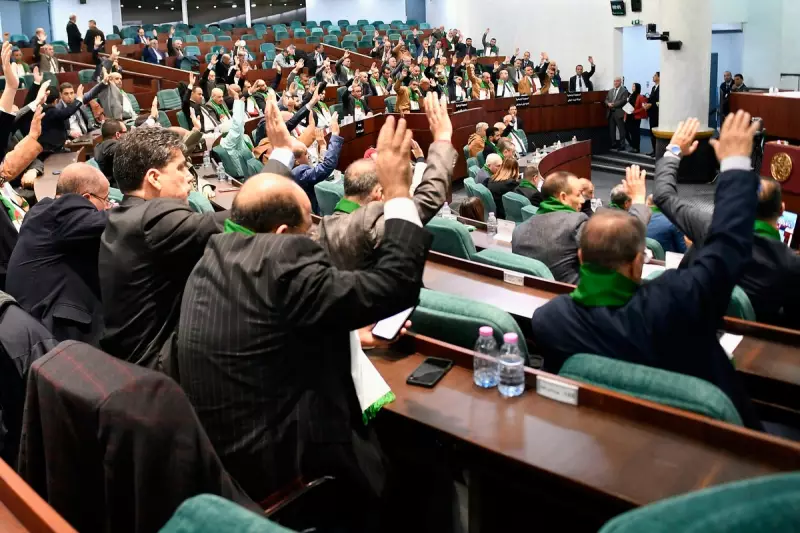
In a landmark move that has escalated diplomatic tensions, Algeria's parliament has formally declared France's 130-year colonial rule a crime and demanded restitution for historical wrongs.
A Historic Vote and a Solemn Ceremony
In a late-night session on Wednesday, 24 December 2025, the Algerian National Assembly passed the controversial law with an overwhelming majority. 340 out of 407 legislators voted in favour during a ceremony filled with national symbolism, where the chamber was draped with huge Algerian flags.
The Speaker of the Assembly, Mohamed Boughali, declared it a historic day to be "written in letters of gold in the national narrative." His opening address was interrupted by lawmakers chanting a line from the national anthem directed at France: "the hour of reckoning has arrived."
Former lawmaker Mohamed Arezki Ferrad, who first proposed the bill in 2001, described the moment as "the culmination of a long struggle for the memory and honour of all those who fought against French colonisation." The adoption of the law was met with shouts of "Allahu Akbar" and "Long live Algeria!" from the floor.
Key Demands and Legal Stipulations
The comprehensive law, which spans five chapters and 27 articles, covers the period from the French invasion in 1830 to Algeria's independence on 5 July 1962. It asserts there is no statute of limitations on colonial-era crimes.
The legislation makes several specific demands on France, including:
- The restitution of Algerian archives and property removed during the colonial period.
- The handover of detailed maps related to French nuclear tests conducted in the Algerian Sahara between 1960 and 1966.
- The repatriation of the remains of Algerian resistance fighters taken to France.
Furthermore, the law stipulates prison sentences for any Algerian citizen found celebrating French colonialism, attacking symbols of the Algerian resistance, or making remarks deemed to have "colonial connotations."
French Condemnation and Strained Relations
The response from Paris was swift and critical. The French Foreign Ministry labelled the Algerian law "a manifestly hostile initiative" and an act that threatens bilateral efforts to reconcile a painful shared history.
In a statement, officials pointed to efforts under President Emmanuel Macron to address colonial-era grievances. Macron himself, in 2017, described elements of France's actions in Algeria as "a crime against humanity," though he stopped short of issuing a formal apology. The French statement emphasised a continued desire to work on "renewal of dialogue," particularly concerning shared issues like security and migration.
The vote comes just weeks after a collective resolution by African nations calling for recognition and reparations for colonial crimes, highlighting a growing continental movement. The economic and human cost of French rule in Algeria was profound, characterised by brutal counterinsurgency tactics, torture, and the devastation of villages during the war for independence, which claimed hundreds of thousands of lives.
While the two nations maintain close cultural and economic links, this legislative action represents a significant new fracture in their perpetually troubled diplomatic relationship. Analysts suggest France is highly unlikely to comply with the demands set out in the Algerian law.