Trump's Urgent Plea for NATO Assistance in Iran Conflict
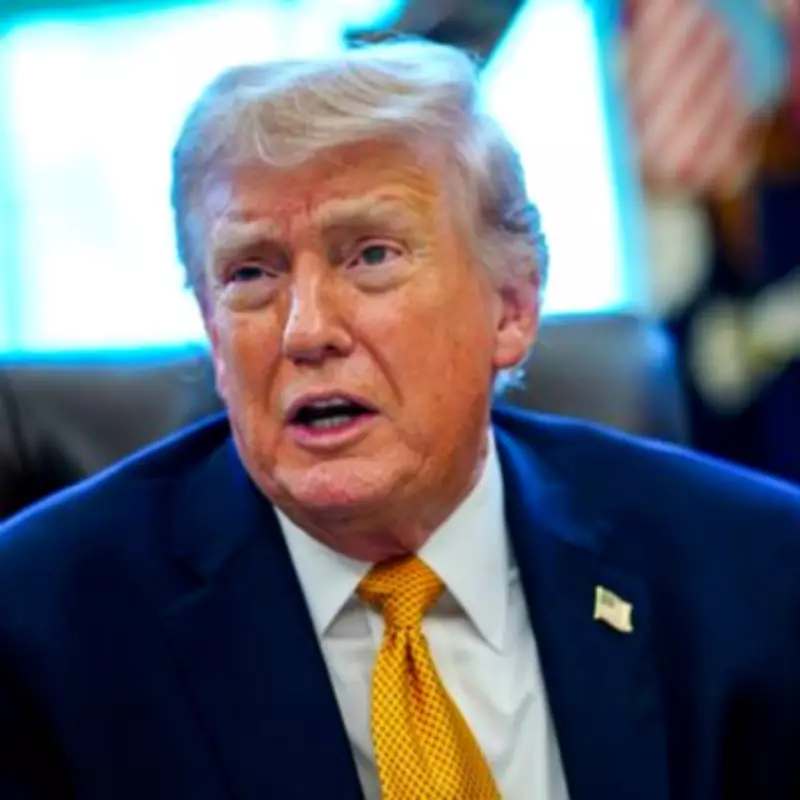
Donald Trump has formally requested NATO allies to provide critical assistance in the escalating Middle East conflict, following Iran's decisive closure of the vital Strait of Hormuz shipping lane. This strategic blockade has triggered immediate and severe consequences, sending global oil prices skyrocketing past the $100 per barrel threshold, with projections indicating potential surges beyond $150 if the situation remains unresolved. The American president's appeal comes after his administration initiated military operations against Iran, actions that have now created significant geopolitical instability.
The Contradiction in Trump's Foreign Policy Approach
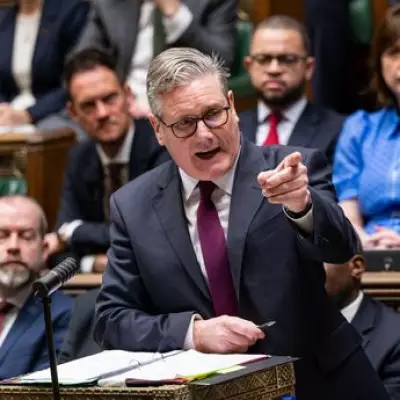
This urgent request for international support represents a stark reversal from Trump's previous positions. Just ten days prior to this development, the US president publicly criticized British Prime Minister Keir Starmer for considering the deployment of aircraft carriers to the Middle Eastern region. Through his Truth Social platform, Trump declared, "That's OK Prime Minister Starmer, we don't need them any longer - but we will remember. We don't need people that join wars after we've already won." This contradictory stance highlights the administration's inconsistent approach to international alliances and military cooperation.
The initial American military campaign against Iran demonstrated impressive tactical execution, successfully overwhelming Iranian defenses and achieving strategic objectives. However, this operational success was undermined by a critical failure to anticipate Iran's capacity to retaliate through economic warfare by closing the Strait of Hormuz. This oversight has exposed significant vulnerabilities in the administration's strategic planning and regional understanding.

Historical Context of Strained Transatlantic Relations
The current crisis cannot be separated from the recent history of strained relations between the United States and its European allies. Several months ago, Trump threatened the fundamental integrity of the NATO alliance by proposing the annexation of Greenland, a territory belonging to Denmark, one of America's most steadfast international partners. This unprecedented suggestion represented a direct challenge to the principles of sovereignty and mutual respect that underpin the alliance.
Further damaging the special relationship between the United States and United Kingdom, the Trump administration implemented crippling tariffs against British exports, creating substantial economic hardship for UK industries. These protectionist measures directly contradicted longstanding trade agreements and cooperative economic policies that had benefited both nations for decades.
The Complexities of Military Intervention
Prime Minister Starmer has maintained a cautious approach to Middle Eastern engagement, wisely keeping British military assets from becoming entangled in the escalating conflict. This prudent stance comes despite significant political pressure, as the prime minister faces declining approval ratings in recent opinion polls. The administration's war objectives have shifted repeatedly, moving from regime change to nuclear non-proliferation concerns, all without establishing clear timelines or exit strategies for military involvement.
Historical precedent provides important context for current decision-making. Previous American administrations, most notably under President George W. Bush, presented detailed justifications and strategic frameworks before requesting allied support for military interventions. The current administration has failed to provide similar comprehensive planning or transparent communication regarding its objectives in Iran.
Broader Implications for International Security
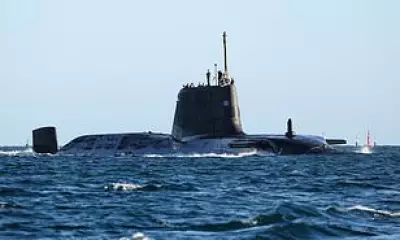
The unfolding crisis underscores the urgent need for enhanced British military capabilities and strategic independence. Successive governments have allowed defense resources to diminish, creating vulnerabilities that become particularly apparent during international crises. Global stability, once considered relatively secure, now faces significant challenges as regional conflicts threaten to expand and intensify.

Prime Minister Starmer faces difficult decisions regarding national security and international obligations. Beyond necessary defensive measures to protect British military installations in the Mediterranean region, the United Kingdom must carefully consider whether involvement in the Middle Eastern conflict serves its national interests. While the Iranian people undoubtedly deserve liberation from authoritarian rule, military intervention without clear strategic objectives risks creating another protracted, costly conflict with uncertain outcomes.
The fundamental principle remains clear: nations that consistently undermine their allies through economic aggression and diplomatic disrespect cannot reasonably expect immediate, unconditional support during self-created crises. International relations operate on principles of reciprocity and mutual respect, foundations that have been systematically eroded in recent years. The United Kingdom must prioritize its national interests and strategic autonomy when responding to requests for military assistance, particularly when those requests come from partners who have demonstrated consistent disregard for alliance obligations.