Caribbean Leaders Advocate for Constructive Dialogue Between US and Cuba at Regional Summit
Leaders from fifteen Caribbean and American nations convened at the Caricom summit in St Kitts and Nevis this week, with discussions heavily focused on recent United States interventions in the region. The four-day gathering was dominated by calls for "de-escalation and dialogue" amid escalating tensions, particularly concerning a US oil embargo on Cuba and ongoing military strikes against suspected drug trafficking vessels.
Jamaican Prime Minister Highlights Regional Stability Concerns
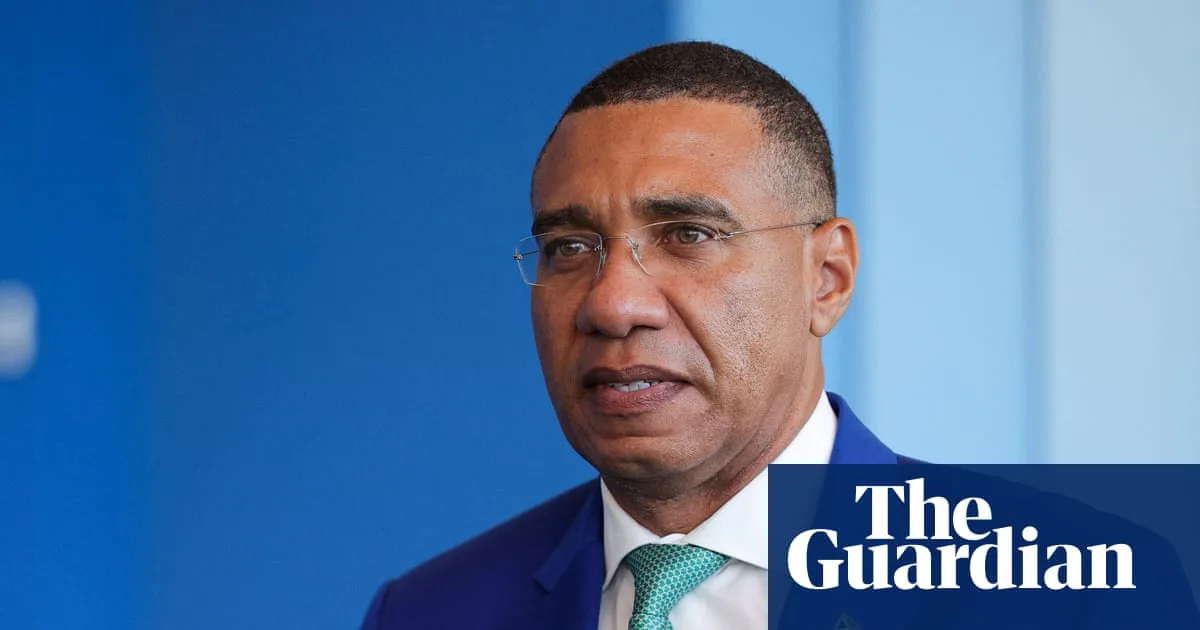
Andrew Holness, the Jamaican prime minister and outgoing Caricom chair, delivered a keynote address emphasizing the urgent need for constructive engagement between Cuba and the United States. He stated his firm support for dialogue aimed at reducing tensions, implementing reforms, and fostering stability in the region. Holness underscored Cuba's integral role as a Caribbean neighbour, noting the historical contributions of Cuban medical and educational professionals across the area.
"We must address the situation in Cuba with clarity and courage," Holness declared. "Cuba is our Caribbean neighbour. Its doctors and teachers have served across our region." He warned that the severe economic hardships, energy shortages, and growing humanitarian strains facing Cubans could have far-reaching consequences, potentially impacting migration patterns, regional security, and economic stability throughout the Caribbean basin.
Humanitarian Crisis in Cuba Exacerbated by US Policies
Francisco Pichón, Cuba's UN resident coordinator, reported to the Associated Press that the US oil embargo is severely hindering recovery efforts from Hurricane Melissa, which struck eastern Cuba as a category 3 storm in late October. Pichón explained that the energy blockade and resulting fuel shortages disrupt the entire logistical chain necessary for humanitarian and reconstruction work across the country.
Terrance Drew, the incoming Caricom chair and prime minister of St Kitts and Nevis, echoed these concerns in his summit speech. Drawing on personal experiences from his seven years of study in Cuba, Drew described dire conditions on the island, including severe food scarcity, challenges in accessing clean water, overflowing garbage, and widespread electricity outages. He urged Caricom to act as a conduit for constructive dialogue to address these humanitarian issues.
US Military Actions and Regional Backlash
The summit occurred against a backdrop of increased US military activity in the Caribbean. Over the past year, the United States has implemented a series of aggressive policies, pressuring regional nations to reject Cuban medical missions, cool relations with China, and consider hosting US military assets. These moves have sparked calls for the Caribbean to maintain its zone of peace.
In early September, the US initiated military strikes targeting suspected "narco-terrorist" operations on small boats, resulting in at least 151 fatalities, many of whom were Caribbean nationals. The most recent strike on Monday claimed three more lives in the Caribbean Sea. Critics, including families of the victims, have denounced these attacks, noting the US has not publicly provided evidence linking the targeted boats to drug trafficking.
US Secretary of State Marco Rubio was scheduled to meet with Caribbean leaders during the summit, following a visit over a month after US actions in Venezuela led to the arrest of former leader Nicolás Maduro on drug trafficking charges. Regional leaders are now urging a reassessment of US strategies to prevent further humanitarian and security crises in the Caribbean.