Former CIA Spy Chief Peter Sichel's Life of Espionage and Wine Revealed
CIA Spy Peter Sichel's Life in Espionage and Wine

The Dual Life of Peter Sichel: From CIA Spy to Wine Tycoon

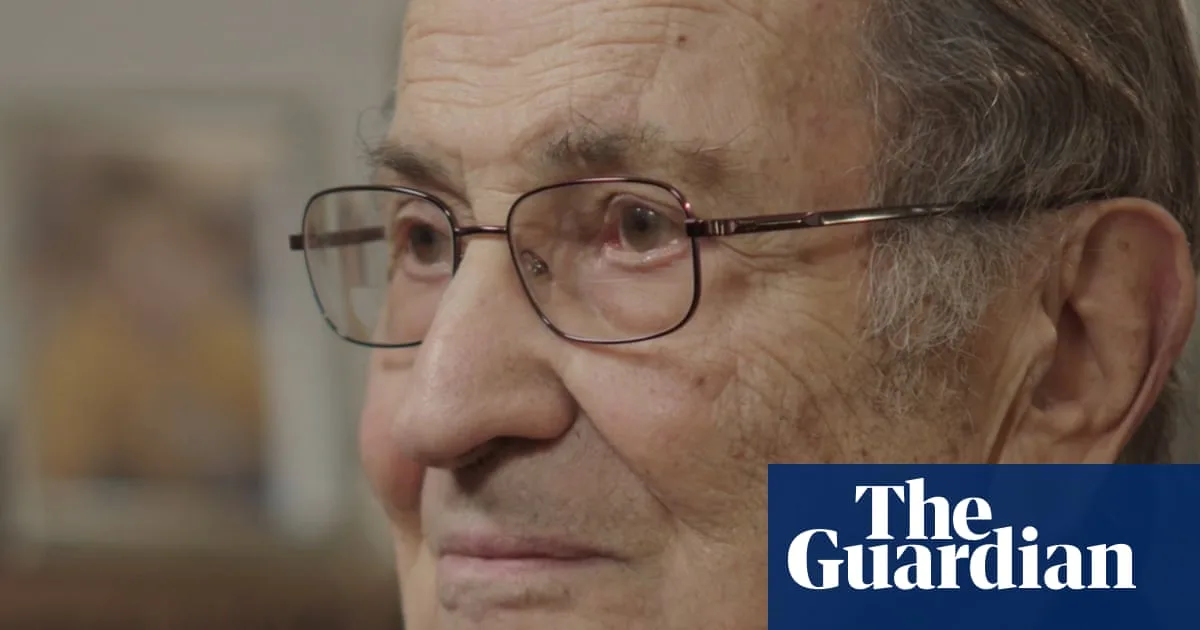
The extraordinary tale of Peter Sichel, a man who lived as both a master spy and a renowned vintner, is now captivating audiences in the new cinema film, The Last Spy. Sichel, who passed away at 102, led a life that spanned fleeing the Nazis, serving as a top CIA operative in the Cold War, and transforming Blue Nun wine into a global household name.

Escape from the Nazis and Early Espionage

Growing up in a wealthy Jewish family in Mainz, Germany, Peter Sichel's world shattered when the Nazis seized power in 1935. Stripped of their rights, his family fled to Bordeaux, only to be interned during World War II. In a daring escape, Peter convinced a camp commander to release them as German forces approached, saving his family while his cousin perished in a concentration camp.

After reaching New York, Sichel joined the U.S. army and was recruited by the Office of Strategic Services (OSS), the precursor to the CIA. Trained in unconventional warfare, he was sent to Algiers and later played a crucial role in the invasion of Southern France by recruiting German prisoners of war as agents. His experiences inspired the 1951 film Decision Before Dawn.

Wide Pickt banner — collaborative shopping lists app for Telegram, phone mockup with grocery list

Rising Through the CIA Ranks

Post-war, Sichel became a key figure in Berlin, redirecting OSS efforts toward the Soviet threat and helping to usher in the Cold War. As the OSS evolved into the CIA, he rose to become the head of Eastern Europe operations. His missions included covert operations in Hong Kong and attempts to influence politics in Italy to prevent communist takeover.

In one notable episode, Sichel orchestrated a plan to obtain a faeces sample from Indonesia's President Sukarno to verify his health, fearing he might align with communists. Despite setbacks, such as a shot-down plane, Sichel's operations often remained secret, showcasing his skill in espionage.

The Lonely Toll of Spy Life

Sichel left the CIA in 1960, citing the agency's drinking culture as a factor that nearly led him to alcoholism. He described spying as a lonely and frustrating profession that could drive individuals to substance abuse. "It is extremely difficult on your personal life – and it leads to frustration, and it leads to alcoholism or some other way of making up for the loneliness," he revealed in the film.

His daughter Bettina, who contributed to The Last Spy, noted his ability to keep secrets and charm people into talking, yet she was unaware of his full importance within the CIA until later. Dinner-party stories hinted at his exploits, such as a failed mission to deliver gold to the French Resistance.

Building the Blue Nun Wine Empire

After leaving the CIA, Sichel turned to the family wine business, applying the same proficiency he had in espionage. He revitalized Blue Nun, a white wine released in 1921, by marketing it as a versatile drink for any meal. Through strategic partnerships and radio adverts featuring comedy acts, sales in the U.S. skyrocketed by 500% in the 1970s.

By the 1980s, Blue Nun was selling 24 million bottles annually worldwide, popular among celebrities and households alike. Despite a later slump, the brand saw a revival in the UK, with nearly five million bottles sold in 2015. Sichel's personal life included marriage to Stella Spanoudaki and three children, though tragedy struck with the death of his daughter Alexandra from breast cancer in 2014.

Legacy and Reflections

Peter Sichel remained a dedicated fundraiser for his alma mater, Stowe School, and reflected on his dual careers with insight. He believed that while wine tastes might change, the allure of spying would endure. "People will always want to find out what the other people are doing," he stated, underscoring the timeless nature of intelligence work.

The Last Spy, directed by Katharina Otto-Bernstein and premiered at the UK Jewish Film Festival, offers an intimate look at Sichel's life through his own words. It highlights not only his professional achievements but also the personal sacrifices and dangers inherent in the world of espionage.

Pickt after-article banner — collaborative shopping lists app with family illustration