EU Drafts Demands for Russia to Secure Lasting Peace in Ukraine
The European Union is actively drafting a detailed list of concessions it believes Russia must make to achieve any long-term, sustainable peace in Ukraine. This initiative comes as US-brokered talks to end the four-year conflict show minimal signs of progress, with recent negotiations in Abu Dhabi failing to produce a breakthrough despite a new prisoner swap agreement.
Escalating Violence Amidst Stalled Diplomacy
As envoys from Moscow and Kyiv convened in Abu Dhabi last week for another round of US-mediated discussions, Russian forces intensified their military actions. In a particularly devastating incident, cluster munitions were deployed in an attack on a Ukrainian market, resulting in the deaths of seven individuals. This escalation underscores the grim reality that diplomatic efforts have yet to curb the ongoing violence.
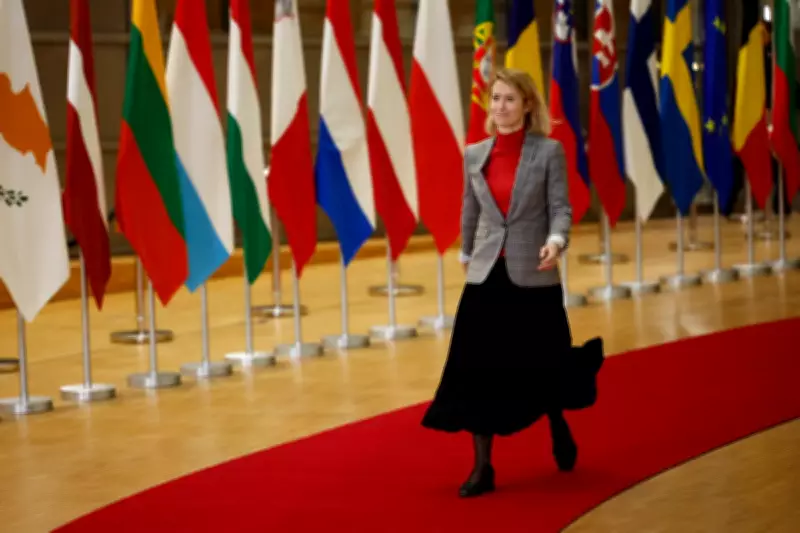
EU foreign policy chief Kaja Kallas highlighted the severity of the situation, noting "increased bombing by Russians during these talks," including targeted assaults on Ukraine's electricity grid during what has been the coldest winter of the war. These actions have reinforced the EU's conviction that Russia is not engaging in negotiations with genuine seriousness.

EU's Strategic Shift and Conditions for Peace
The European Union has expressed doubts that European and Ukrainian interests are being adequately represented by the Trump administration, prompting the bloc to commence work on its own "sustainable peace plan." Kallas emphasized that while the EU is grateful for US diplomatic efforts, sustainable peace requires the inclusion and agreement of all parties, particularly the Europeans.
"To have sustainable peace also, everybody around the table including the Russians and the Americans need to understand that you need Europeans to agree," Kallas stated in Brussels. She further asserted that conditions for peace should be imposed on Russia, not on Ukraine, which has already endured immense pressure.
The proposed conditions from the EU are expected to be stringent and focused on long-term security. They may include demands for the return of thousands of children abducted from Ukraine and limitations on the size and expenditure of the Russian armed forces post-conflict. Kallas argued that the core issue lies with Russia's military capabilities, not Ukraine's, warning that "if they spend so much on the military they will have to use it again."
Timeline and International Dynamics
A draft list of these conditions is likely to be circulated among EU member states in the coming days, with a potential discussion scheduled for the bloc's foreign ministers meeting on February 23. This move represents a strategic effort to "change the narrative" and exert pressure on Russia, albeit without initiating a separate track of peace talks that Moscow would likely dismiss.
Kallas pointed out that Ukraine's reliance on US support has forced it to make nearly all concessions in negotiations, a dynamic the EU views as unsustainable. "Pressuring the weaker party is always maybe getting the results faster but it's only a declaration that we have peace. It's not sustainable peace," she cautioned, stressing that such an approach fails to guarantee Ukraine's future security against potential Russian aggression.
The EU's stance is bolstered by intelligence assessments indicating that President Vladimir Putin is facing challenges in recruiting personnel for the war effort, coupled with the economic strain from EU sanctions and high inflation in Russia. Additionally, the bloc is advancing measures such as a ban on repair services for ships carrying Russian oil, with Kallas aiming to garner support from the Group of Seven nations at the upcoming Munich Security Conference.
Despite the complexities, Kallas remains resolute, asserting that "We can push them into the place where they actually want to end this war. They're not there yet. Unfortunately, it's not an easy solution." The EU's proactive drafting of demands marks a pivotal step in shaping the future of peace negotiations, emphasizing a collective European approach to ensuring a durable resolution to the conflict.