EU Threatens to Withdraw Funding from Venice Biennale Over Russia's Planned Participation
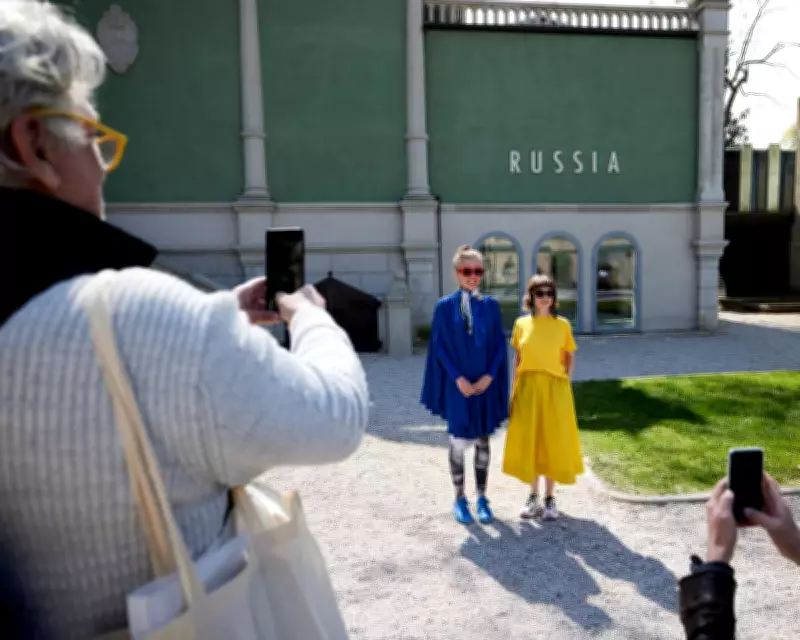
The European Commission has issued a stark warning to the organisers of the prestigious Venice Biennale, stating it will cut crucial funding if the arts festival proceeds with plans to include Russia in its upcoming exhibition. This move underscores the deepening cultural and political tensions stemming from Russia's actions in Ukraine.
Financial Sanctions Loom Over Ethical Breach
Commission spokesperson Thomas Régnier emphasised that any breach of ethical standards by the Biennale would be treated as a violation of contract, leading to the suspension of a €2 million (£1.7 million) agreement. This grant specifically supports film projects at the contemporary arts show, highlighting the significant financial stakes involved.
"The commission condemns the decision by the Fondazione Biennale to allow Russia to participate in the 2026 Biennale art exhibition," Régnier told reporters. "Because culture in Europe should promote and safeguard democratic values. It should foster open dialogue, diversity and freedom of expression. These values are currently in today's Russia not honoured."

International Outcry and Diplomatic Pressure
The controversy erupted after Biennale organisers announced last week that Russia would be allowed to take part in the art exhibition, scheduled to run from 9 May to 22 November. This decision triggered immediate backlash, with Ukraine accusing the festival of offering "a stage ... for whitewashing war crimes."
In a coordinated response, foreign and culture ministers from 22 countries, predominantly EU members alongside Ukraine, have called on the organisers to reconsider. They cited the "systematic destruction of Ukraine's cultural life and heritage," including:
- The killing of at least 342 artists
- Damage or destruction of 1,685 cultural heritage sites
- Destruction of 2,483 cultural facilities
"In this context, granting Russia a prestigious international cultural platform sends a deeply troubling signal," the ministers wrote in a letter addressed to the Biennale's board and its president, Pietrangelo Buttafuoco.
Political Divisions and Organisational Defence
Buttafuoco, a right-wing journalist and public intellectual appointed in 2024 by Giorgia Meloni's nationalist government, defended the decision in an interview with La Repubblica. He stated he had invited people "from all areas of conflict to share their points of view," adding, "We believe that where there is art, there is dialogue."
Interestingly, Meloni's government, despite previous sympathies towards Russia, has been a strong supporter of Ukraine since the full-scale invasion of 2022 and opposes the Biennale's decision. This highlights internal political complexities within Italy's administration.
EU Leadership Condemns the Move
Earlier this week, European Commission Vice-President Henna Virkkunen and EU Commissioner for Culture Glenn Micallef issued a joint statement condemning the Biennale's decision. They warned, "Should the Fondazione Biennale go forward with its decision to allow Russia's participation, we will examine further action, including the suspension or termination of an ongoing EU grant to the Biennale Foundation."
This stance reinforces the EU's commitment to leveraging cultural diplomacy as a tool for upholding democratic principles, setting a precedent for how international arts institutions might be held accountable in geopolitical conflicts.